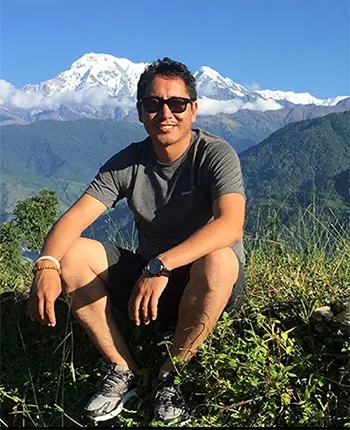

Trekking in Nepal: Your Ultimate Guide to the Himalayas
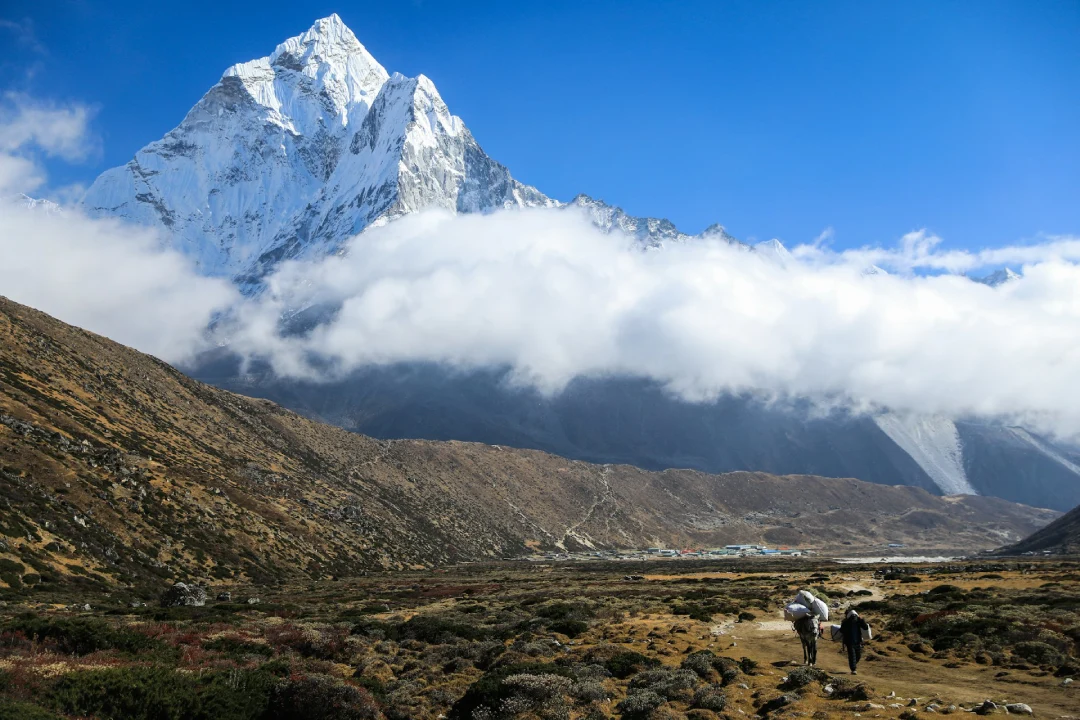
Trekking in Nepal is one of the world’s most rewarding adventures, drawing travelers with its towering Himalayan peaks, diverse landscapes, and vibrant culture. From the iconic trails to Everest Base Camp to peaceful walks through rhododendron forests and traditional villages, Nepal offers a perfect blend of natural beauty and cultural richness for every trekker.
Beyond the breathtaking mountains, trekking in Nepal is also a cultural journey. Along the way, you’ll experience the warm hospitality of Sherpas, Gurungs, and Tamangs, taste authentic mountain cuisine, and witness traditions that have remained unchanged for centuries. Whether you’re a beginner looking for short hikes or searching for the best treks in Nepal, the Himalayas have a trail that perfectly matches your spirit of adventure.
Why Trekking in Nepal?
Trekking in Nepal is not just a walk through the mountains—it is a journey that combines nature, adventure, and culture. Here’s why it is truly special:
- Adventure Trekking Nepal – From short scenic hikes to challenging high-altitude expeditions. Nepal offers trails for every kind of adventurer, making it one of the best destinations for thrill-seekers.
- Cultural Trekking Nepal – The routes pass through Sherpa, Gurung, and Tamang villages, where trekkers experience authentic traditions, local hospitality, and mountain lifestyles. That adds a cultural dimension to every journey.
- Breathtaking Scenery – Snow-covered peaks, alpine meadows, glaciers, and lush valleys provide some of the most stunning views in the world.
- Unforgettable Nepal Trekking Experience – More than physical achievement, trekking here is about connecting with spirituality, nature, and people—leaving every traveler with lasting memories.
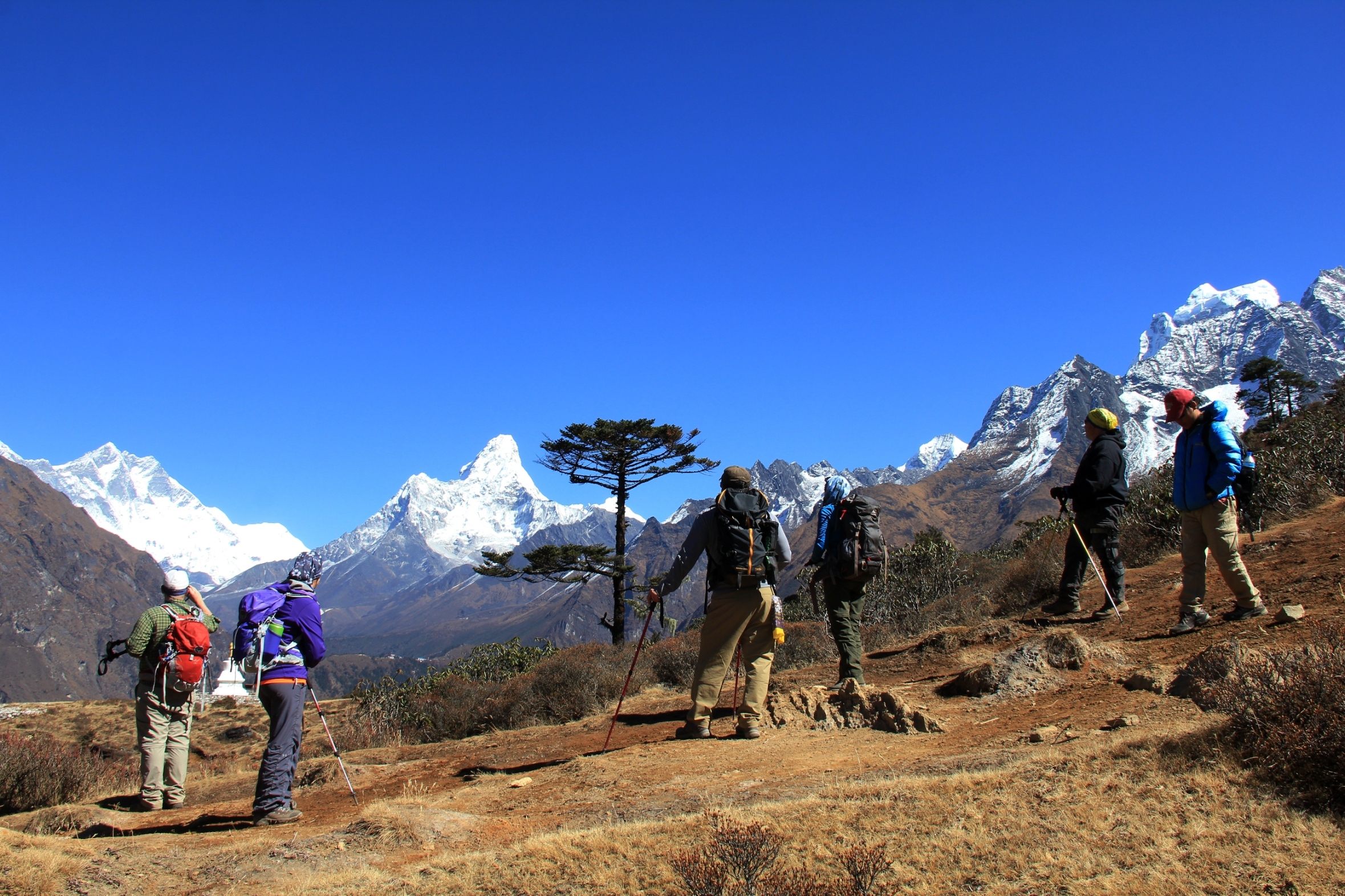
Best Time for Trekking in Nepal
Choosing the right season is essential for an enjoyable trek, as weather conditions greatly affect the experience.
- Autumn (September–November) – Considered the best time for trekking, with clear skies, stable weather, and excellent mountain views. Popular for routes like Everest Base Camp and Annapurna Circuit.
- Spring (March–May) – Another ideal season. Trails come alive with blooming rhododendrons, warmer temperatures, and stunning scenery, perfect for cultural and nature enthusiasts.
- Winter (December–February) – Cold at higher altitudes, but lower-altitude treks like Ghorepani Poon Hill and Langtang Valley remain accessible with fewer crowds.
- Summer/Monsoon (June–August) – Trails are lush and green, though rain and leeches can be challenging. Great for off-the-beaten-path treks in rain-shadow areas like Mustang and Dolpo.
For the Everest Base Camp trek or the Annapurna Circuit trek, autumn and spring are the best.
Popular Trekking Routes in Nepal
Nepal offers countless trekking routes, each with its unique landscapes, culture, and adventure. Here are some of the best treks in Nepal.
Everest Region
- Everest Base Camp Trek – The most iconic trek, taking you to the foot of the world’s highest peak. Experience Sherpa villages, Buddhist monasteries, suspension bridges, and stunning views of Everest, Lhotse, and Ama Dablam.
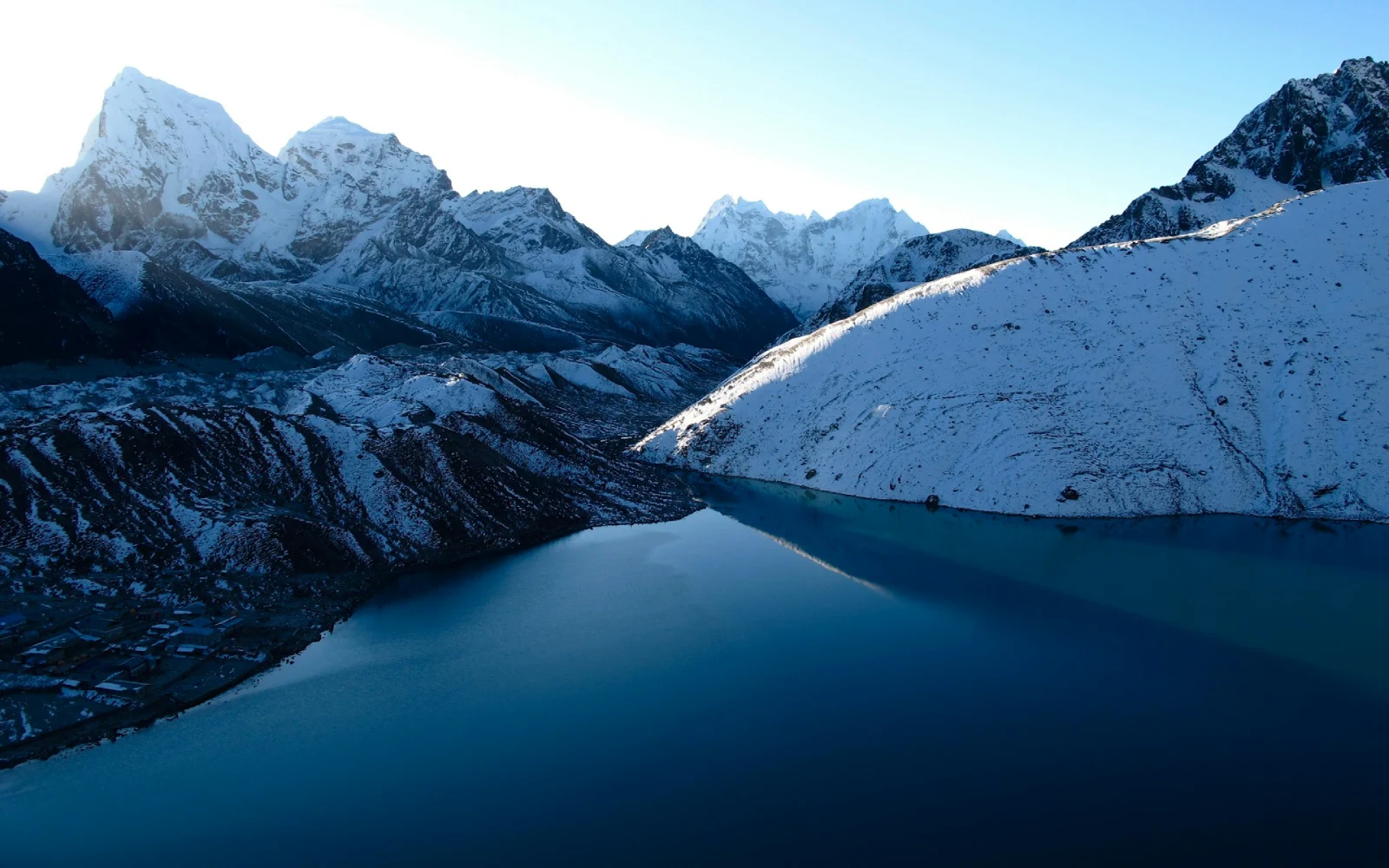
- Gokyo Lakes Trek – Offers turquoise glacial lakes, less-crowded trails, and panoramic Himalayan vistas.
- Everest Three Passes Trek – For experienced trekkers seeking a challenging high-altitude adventure with breathtaking scenery.
Annapurna Region
- Annapurna Circuit Trek – A classic trek crossing diverse landscapes, from lush forests to high-altitude deserts, including the famous Thorong La Pass.
- Annapurna Base Camp Trek – Shorter but equally spectacular, taking trekkers into the heart of the Annapurna Sanctuary.
- Ghorepani Poon Hill Trek – Ideal for beginners or short trips, with incredible sunrise views over the Annapurna and Dhaulagiri ranges.
Langtang Region
- Langtang Valley Trek – Close to Kathmandu, perfect for a combination of natural beauty and cultural experiences in Tamang villages.
- Gosainkunda Trek – Known for its sacred lakes and panoramic Himalayan landscapes, ideal for spiritual and scenic exploration.
Off-the-Beaten-Path Treks
- Manaslu Circuit Trek – Remote and adventurous, showcasing pristine landscapes and local culture.
- Upper Mustang Trek – Restricted-area trek offering ancient Tibetan culture and desert-like landscapes.
- Dolpo Trek – Rugged and untouched, perfect for seasoned trekkers seeking solitude and authentic experiences.
These routes represent a perfect mix of scenery, culture, and adventure, making Nepal a top destination for trekking enthusiasts worldwide.
Trekking Styles in Nepal
Different trekking styles cater to different travelers:
- Tea House Trekking – The most common style, where trekkers stay in local guesthouses along the trail. It is affordable, social, and gives a genuine cultural experience.
- Camping Treks – Best suited for remote regions without tea houses. Offers flexibility and access to untouched areas but requires more logistics, porters, and equipment.
- Luxury Treks – Designed for travelers seeking comfort. Includes private lodges, personalized services, and added amenities, blending adventure with relaxation in the mountains.
Trekking Difficulty & Fitness
Trekking in Nepal varies widely in difficulty, so understanding the level of challenge and required fitness is essential for a safe and enjoyable journey.
- Easy Treks – These are low-altitude or short-duration routes like Ghorepani Poon Hill, Dhampus, or Nagarkot. Minimal fitness is required, and they are suitable for beginners, families, and casual hikers. Trails are well-marked and mostly gradual.
- Moderate Treks – Treks such as Annapurna Base Camp, Langtang Valley, or Mardi Himal require a reasonable level of fitness. Trekkers will face longer days, steeper climbs, and occasional altitude gain, so preparation and stamina are important.
- Challenging Treks – Routes like Everest Three Passes, Manaslu Circuit, and Upper Mustang are physically demanding and involve high altitudes, long trekking days, and sometimes harsh weather. Proper training, acclimatization, and prior trekking experience are essential.
- Fitness Tips – Regular cardio, leg-strengthening exercises, and endurance training help prevent fatigue. Hydration, pacing, and rest are key to a successful Nepal trekking experience.
Costs of Trekking in Nepal
The cost of trekking in Nepal depends on the route, duration, type of trek, and level of comfort. Here’s a clear breakdown:
- Budget Trekking – Traveling costs around $25–40 per day, which typically covers simple tea house accommodations, local meals, and basic services—making it an ideal option for solo travelers and backpackers.
- Mid-Range Trekking – Spending $40–70 per day usually includes comfortable lodges, three daily meals, the support of guides or porters, and some agency services—perfect for travelers seeking a balance between comfort and adventure.
- Luxury Trekking –With a budget of $100+ per day, you can enjoy private lodges or luxury tea houses, hot showers, high-quality meals, and personalized guide and porter services—ideal for travelers who want comfort without sacrificing the trekking experience.
- Additional Costs – Trekking permits (TIMS card, national park or restricted area permits), travel to and from the trailhead, gear, and tips for guides/porters.
With the right planning, Nepal has trekking options for every budget—from affordable adventures to premium, fully supported expeditions.
Permits & Regulations
Trekking in Nepal requires several permits to ensure the safety of trekkers and the protection of natural and cultural heritage. Here’s a detailed guide:
- TIMS Card (Trekkers’ Information Management System) – This card is mandatory for all trekkers in Nepal. It acts as a registration record and helps authorities keep track of trekking activities. You can get it from the Nepal Tourism Board offices in Kathmandu or Pokhara, or through registered trekking agencies.
- National Park & Conservation Area Permits – Most popular trekking routes pass through protected areas, such as Sagarmatha National Park (Everest region) or Annapurna Conservation Area (Annapurna Circuit). These permits are mandatory, and fees vary depending on the park or conservation area.
- Restricted Area Permits – Certain regions like Upper Mustang, Manaslu, and Dolpo are restricted. Trekkers must obtain special permits and are required to hire a registered guide for safety and compliance.
- Additional Rules – Trekkers must respect local customs, follow designated trails, and avoid littering. Agencies or guides usually help secure all permits before the trek.
Getting the right permits is essential for a safe and legal trekking experience in Nepal. Planning ahead ensures your adventure starts smoothly.
Packing List & Trekking Gear
Packing depends on season and trek type, but essentials include:
- Sturdy trekking boots
- Warm down jacket & thermal layers
- Sleeping bag (for colder treks)
- Rain gear & trekking poles
- First-aid kit & water purification tablets
Kathmandu and Pokhara have many shops where you can rent or buy trekking gear.
Tips for a Safe & Enjoyable Trek
Trekking in Nepal is an incredible adventure, but preparation and awareness are essential, especially for international travelers. Here are some key tips to ensure a safe and enjoyable journey:
- Acclimatize Properly – Altitude sickness is common at elevations above 3,000 meters. Plan your trek with gradual altitude gain, rest days, and hydration. Pay attention to symptoms like headaches, nausea, or dizziness.
- Hire Licensed Guides or Porters – For restricted areas (Manaslu, Upper Mustang) or challenging high-altitude routes, hiring a registered guide is mandatory. Even on popular trails, guides provide local knowledge, language support, and safety assistance.
- Travel Insurance – Ensure your insurance covers high-altitude trekking, medical evacuation, and accidents. Many international insurers require proof of coverage for Himalayan treks.
- Respect Local Culture – Dress modestly, seek permission before photographing locals, and learn basic Nepali greetings. Nepalese communities value politeness and cultural sensitivity.
- Follow Eco-Friendly Practices – Carry reusable water bottles, avoid single-use plastics, and dispose of waste responsibly. Stick to marked trails to minimize environmental impact.
- Pack Smart & Stay Healthy – Bring proper clothing for varying temperatures, first-aid supplies, sunscreen, and water purification tablets. Eat well and stay hydrated.
By following these tips, international trekkers can enjoy a safe, memorable, and culturally enriching Nepal trekking experience while respecting the environment and local communities.
Unique Experiences Beyond Trekking
Trekking in Nepal is not just about mountains—it’s also an opportunity to explore culture, adventure, and spirituality. Here are some unique experiences that make a Nepal trekking trip truly memorable:
- Cultural Encounters – Many trekking routes pass through traditional villages where trekkers can interact with Sherpa, Gurung, and Tamang communities. Learn about local customs, visit monasteries, and witness festivals that have been celebrated for centuries. This makes cultural trekking Nepal a rewarding experience.
- Adventure Activities – Nepal offers thrilling add-ons for adventure enthusiasts. After a trek, you can try white-water rafting on rivers like Trishuli or Kali Gandaki, paragliding from Pokhara’s Sarangkot, or mountain biking through scenic trails.
- Spiritual and Wellness Treks – Some routes combine trekking with yoga, meditation, and visits to sacred lakes or temples. The serene environment of the Himalayas enhances mindfulness, making your journey more than just a physical challenge.
- Wildlife and Nature Exploration – In regions like Chitwan and Bardia, trekkers can enjoy jungle safaris and spot rare animals, adding variety to the Nepal trekking experience.
These activities complement trekking, providing adventure, culture, and relaxation, making a trip to Nepal unforgettable for international travelers.
Conclusion
Trekking in Nepal is an unforgettable journey that combines stunning natural beauty, rich cultural encounters, and spiritual experiences. Whether you’re standing at Everest Base Camp, circling the Annapurna range, or exploring remote trails in Upper Mustang. Nepal promises memories that last a lifetime.
If you’re planning your next adventure, let Nepal’s Himalayas guide your path—you’ll return with stories, smiles, and a deeper connection to the mountains.
FAQs about Trekking in Nepal
1. What is the best trek in Nepal for beginners?
Ghorepani Poon Hill, Langtang Valley, and Mardi Himal are great for first-time trekkers.
2. How much does trekking in Nepal cost?
On average, $25–70 per day, depending on the trek and comfort level.
3. Do I need a guide for trekking in Nepal?
Not always, but guides are required in restricted areas (Manaslu, Mustang, Dolpo) and highly recommended for safety.
4. Is trekking in Nepal safe?
Yes, trekking is safe with proper planning, acclimatization, and guidance.
5. Which month is best for the Everest Base Camp trek?
October–November and March–April are the best months.
6. Can I do a short trek in Nepal?
Yes! Options include Poon Hill, Mardi Himal, Nagarkot, and Dhampus Village.
7. What permits are required for trekking in Nepal?
TIMS card, national park permits, and restricted area permits (depending on the route).
Related Blogs
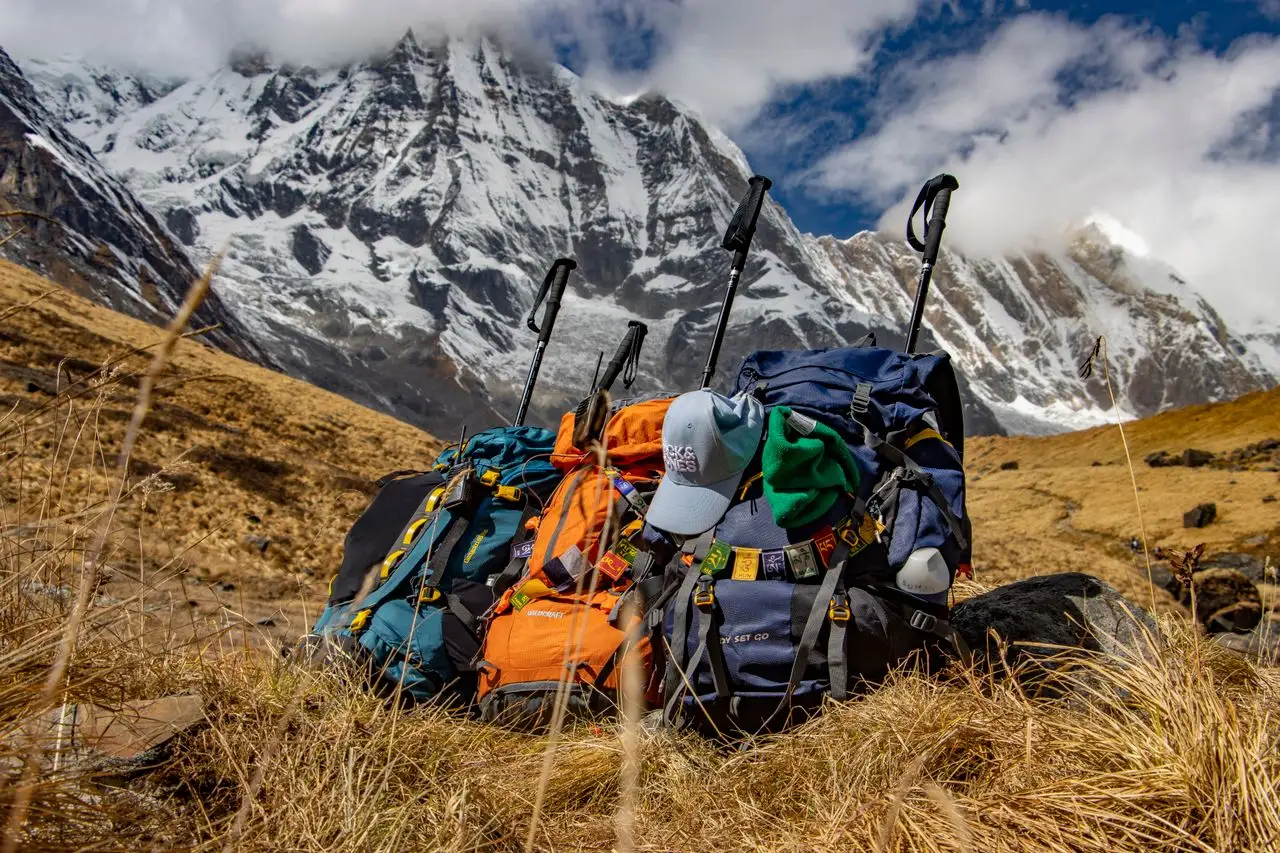
Manaslu Circuit Trek Packing List: Complete Guide to What to Pack
The Manaslu Circuit Trek packing list should prepare you for everything from warm, humid valleys to cold, high-altitude mountain...
Best Time for Manaslu Circuit Trek: Weather & Monthly Guide
The best time for Manaslu Circuit Trek is generally during spring (March to May) and autumn (September to November)....
Mardi Himal Trek Solo A Complete Guide for Solo Travelers
The Mardi Himal Trek is one of the most beautiful short treks in Nepal. It takes you through green...
For Queries & Reservations
Travelling with us is flexible, freedom and fun.
We deliver exceptional products at a very good price for you, but not at the cost of the environment or our social responsibilities “travel Responsibly”