

Pikey Peak Trek Nepal – Complete Guide to the Hidden Everest View Trek
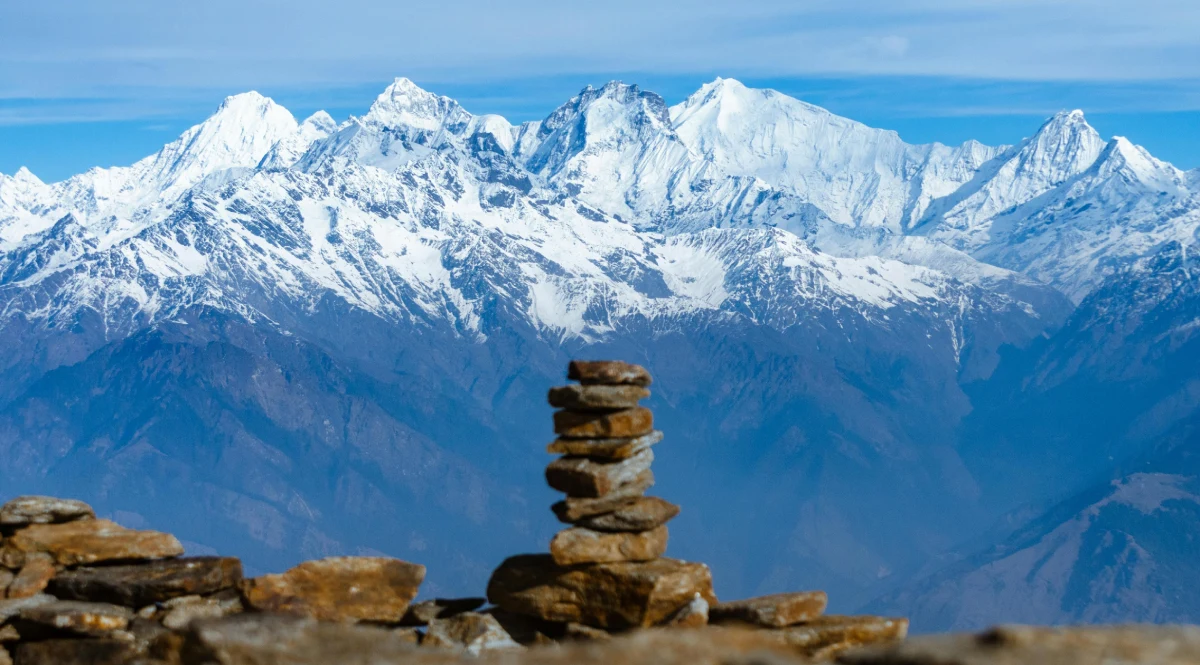
Nepal is home to some of the world’s most iconic trekking destinations, but not every traveler wants crowded trails and busy tea houses. For trekkers searching for a peaceful Himalayan adventure with breathtaking mountain panoramas, the Pikey Peak Trek Nepal is one of the best hidden gems in the country.
Located in the lower Everest region, the Pikey Peak Trek offers stunning sunrise views over Mount Everest, authentic Sherpa culture, beautiful rhododendron forests, and relatively easy trekking routes compared to other Himalayan adventures. The trail remains less crowded, making it ideal for trekkers who want a quieter and more immersive experience in the Himalayas.
Sir Edmund Hillary once claimed that the view from Pikey Peak was one of his favorite Everest viewpoints in Nepal. From the summit, trekkers can witness a spectacular panorama stretching from Dhaulagiri and Annapurna to Everest, Makalu, and Kanchenjunga.
Whether you are a beginner or an experienced hiker, this guide covers everything you need to know about the Pikey Peak Trek, including itinerary, difficulty, permits, costs, accommodation, and the best time to visit.
What is the Pikey Peak Trek Nepal?
The Pikey Peak Trek is a short and scenic trekking route in Nepal’s Solu region, south of the Everest area. The trek takes travelers through traditional Sherpa villages, Buddhist monasteries, alpine forests, and panoramic Himalayan viewpoints.
Unlike the Everest Base Camp Trek, the Pikey Peak route does not require domestic flights to Lukla, making it more affordable and accessible.
Overview of the Trek
| Trek Details | Information |
| Trek Duration | 5–8 Days |
| Maximum Altitude | 4,065 meters |
| Trek Difficulty | Moderate |
| Best Seasons | Spring & Autumn |
| Starting Point | Dhap or Bhandar |
| Ending Point | Phaplu |
| Region | Lower Everest / Solu |
The trek is suitable for trekkers looking for a shorter Himalayan adventure with rewarding mountain views.
Why Choose Pikey Peak Trek?
There are many reasons why the Pikey Peak Trek Nepal has become increasingly popular among trekkers.
Incredible Everest Views
The biggest highlight of the trek is the panoramic Himalayan scenery. From Pikey Peak, trekkers can enjoy breathtaking views of:
- Mount Everest
- Lhotse
- Makalu
- Kanchenjunga
- Annapurna
- Manaslu
- Gaurishankar
The sunrise over Everest is one of the most unforgettable moments of the trek.
Less Crowded Trails
Unlike Everest Base Camp or Annapurna Base Camp, the Pikey Peak Trek remains relatively untouched by mass tourism. The trails are peaceful, allowing trekkers to fully enjoy the natural beauty and local culture.
Authentic Sherpa Culture
The route passes through traditional Sherpa villages where travelers can experience Buddhist culture, local hospitality, monasteries, prayer flags, and ancient traditions.
Ideal Short Trek in Nepal
For travelers with limited time, Pikey Peak is one of the best short treks in Nepal. In less than a week, trekkers can enjoy Everest views without undertaking a physically demanding expedition.
Where is Pikey Peak Located?
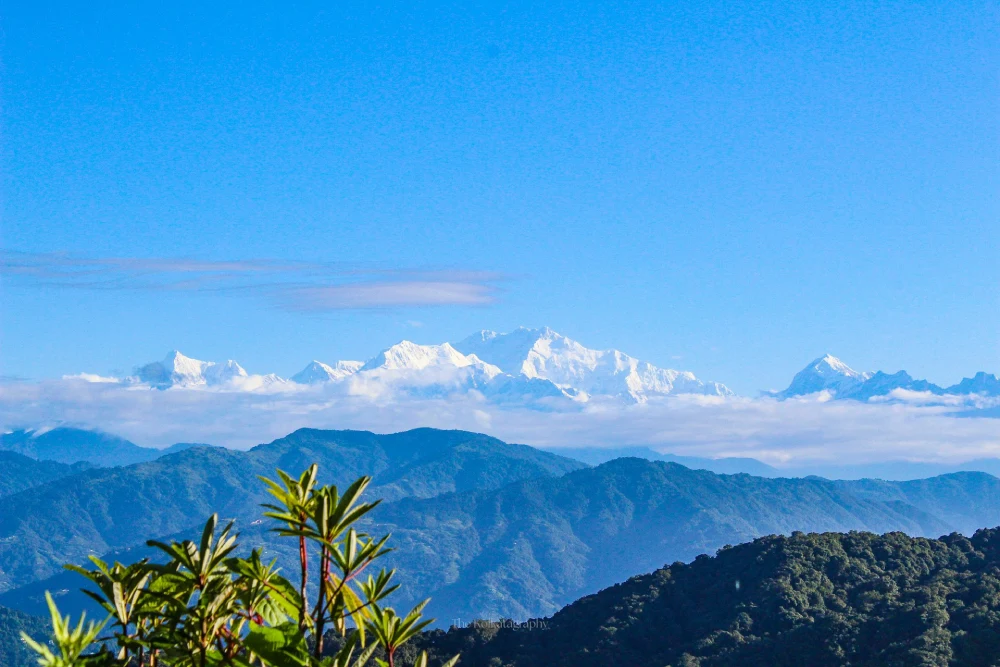
Pikey Peak is located in the Solukhumbu District of eastern Nepal, within the beautiful lower Everest region popularly known as the Solu area. Unlike the crowded trekking routes of the upper Everest region, Solu offers a quieter, more peaceful trekking experience filled with traditional Sherpa culture, rolling hills, ancient monasteries, and breathtaking Himalayan scenery.
The summit of Pikey Peak stands at an elevation of approximately 4,065 meters (13,336 feet) above sea level. Despite being lower in altitude than many famous trekking destinations in Nepal, Pikey Peak is widely regarded as one of the best viewpoints in the Himalayas. On clear days, trekkers can enjoy panoramic views stretching from Dhaulagiri and Annapurna in the west to Everest, Makalu, and Kanchenjunga in the east.
The region is also rich in natural beauty, featuring dense rhododendron forests, alpine meadows, yak pastures, and charming mountain villages. The peaceful trails and authentic local atmosphere make Pikey Peak one of the best short treks in Nepal for travelers seeking both scenery and cultural immersion.
How to Reach the Trek Starting Point
Most trekkers begin the Pikey Peak Trek with an overland journey from Kathmandu to either Dhap or Bhandar, the common starting points of the trek. The drive itself is scenic and provides an excellent introduction to Nepal’s rural landscapes, passing through rivers, terraced farmlands, green hills, and traditional villages.
Transportation Options
Trekkers can choose from several transportation methods depending on budget and comfort preferences:
- Shared Jeep: A popular and budget-friendly option for independent trekkers.
- Private Jeep: Ideal for groups or travelers seeking comfort and flexibility.
- Local Bus: The cheapest option, though usually slower and less comfortable.
- Tourist Vehicle: Sometimes arranged by trekking agencies as part of trekking packages.
The road journey from Kathmandu generally takes around 8–10 hours depending on weather and road conditions. While some sections of the road are paved, others can be rough and bumpy, especially during the monsoon season.
One of the biggest advantages of the Pikey Peak Trek is that trekkers can avoid the expensive and often weather-delayed flights to Lukla that are required for the Everest Base Camp Trek. This makes the trek more affordable, accessible, and less stressful for many travelers.
The drive to Dhap or Bhandar also allows trekkers to experience the changing landscapes of Nepal gradually, from bustling city life to peaceful Himalayan villages before beginning the actual trek.
Major Highlights of Pikey Peak Trek Nepal
The trek offers a combination of natural beauty, mountain views, and cultural experiences.
Sunrise from Pikey Peak
The sunrise view from Pikey Peak is considered the highlight of the entire trek. Early in the morning, trekkers hike to the summit to witness the first golden rays of sunlight falling over Mount Everest and the surrounding Himalayan ranges. The changing colors of the snow-covered peaks create an unforgettable panoramic view that attracts photographers and nature lovers from around the world.
Rhododendron Forests
During the spring season, the trekking trails are filled with blooming rhododendron forests, Nepal’s national flower. The hills become colorful with red, pink, and white blossoms, creating a vibrant and scenic trekking experience. Walking through these peaceful forests adds natural beauty and freshness to the journey.
Traditional Sherpa Villages
The trek passes through beautiful Sherpa settlements such as Jhapre and Junbesi. These villages provide a chance to experience traditional Himalayan lifestyles, local hospitality, stone houses, and unique mountain culture. Trekkers can interact with local people and learn about Sherpa traditions and daily life.
Buddhist Monasteries
Along the route, trekkers can visit ancient Buddhist monasteries, prayer wheels, mani walls, and colorful prayer flags. These spiritual sites reflect the strong Buddhist culture of the region and offer a peaceful atmosphere for travelers interested in local traditions and religion.
Peaceful Environment
Unlike Nepal’s crowded trekking routes, the Pikey Peak trail remains quiet and less commercialized. The peaceful environment, fresh mountain air, and natural surroundings make the trek ideal for travelers looking to relax, enjoy nature, and escape busy city life.
Pikey Peak Trek Route Overview
The standard trekking route follows this path:
Kathmandu → Dhap → Jhapre → Pikey Base Camp → Pikey Peak → Junbesi → Phaplu → Kathmandu
Some trekkers choose shorter itineraries, while others extend the trek toward the Everest region.
Pikey Peak Trek Difficulty
The Pikey Peak Trek is considered a moderate trek and is suitable for beginners with basic fitness levels.
Is the Trek Difficult?
Compared to Everest Base Camp Trek, Pikey Peak is much easier because:
- Lower altitude
- Shorter duration
- Gradual ascents
- Well-established trails
Trekkers generally walk between 5–7 hours per day.
Altitude Considerations
The highest point is 4,065 meters, which means altitude sickness risk is relatively low compared to higher Himalayan treks.
However, proper acclimatization and hydration are still important.
Best Time for Pikey Peak Trek Nepal
Choosing the right season is important for enjoying the best mountain views and weather conditions during the Pikey Peak Trek. Although the trek can be done throughout the year, spring and autumn are considered the best seasons.
Spring Season (March to May)
Spring is one of the most popular times for the Pikey Peak Trek. During this season, the weather is generally mild and comfortable for trekking. The trails become especially beautiful as rhododendron forests bloom with colorful red, pink, and white flowers. The skies are often clear, offering excellent mountain views and stunning sunrise scenery from Pikey Peak.
Highlights of Spring:
- Blooming rhododendron forests
- Pleasant daytime temperatures
- Clear Himalayan views
- Beautiful natural scenery
Autumn Season (September to November)
Autumn is considered the peak trekking season in Nepal. After the monsoon rains, the skies become crystal clear, providing excellent visibility of Everest and surrounding peaks. The weather remains stable with dry trails and comfortable trekking conditions, making it ideal for both beginners and experienced trekkers.
Highlights of Autumn:
- Stable weather conditions
- Crystal-clear mountain views
- Dry and comfortable trails
- Best visibility for photography
Winter Season (December to February)
Winter trekking is possible, but temperatures can drop below freezing at higher elevations. The trails are quieter, and snow may cover parts of the route.
Monsoon Season (June to August)
Monsoon season brings heavy rainfall, muddy trails, and cloudy weather. Mountain views are often blocked, making this season less suitable for trekking.
Accommodation and Food During the Trek
The Pikey Peak Trek is a classic tea house trek.
Tea House Accommodation
Trekkers stay in small lodges operated by local families. Facilities are basic but comfortable.
Most tea houses provide:
- Twin-sharing rooms
- Blankets
- Shared bathrooms
- Dining areas
Food Options
Popular meals include:
- Dal Bhat
- Noodles
- Fried rice
- Tibetan bread
- Momo
- Sherpa stew
Tea houses also serve tea, coffee, soups, and snacks.
Permits Required for Pikey Peak Trek
Trekkers generally require local permits for the region.
Local Area Permit
The permit fees may vary depending on trekking regulations.
TIMS Card
Some itineraries may require a TIMS (Trekkers’ Information Management System) card, while others may not depending on the route and current rules.
It is always best to check updated regulations before traveling.
Pikey Peak Trek Cost
The overall cost depends on group size, transportation, guide services, and trekking style.
Estimated Cost Breakdown
| Expense | Approximate Cost |
| Transportation | $40–$150 |
| Accommodation | $10–$25 per night |
| Meals | $20–$30 per day |
| Guide | $25–$35 per day |
| Porter | $20–$25 per day |
A standard guided trek usually costs between $400–$900 depending on services included.
Packing List for Pikey Peak Trek in Nepal
Packing properly is essential for a comfortable trekking experience.
Essential Trekking Gear
- Trekking boots
- Warm down jacket
- Thermal layers
- Waterproof jacket
- Trekking poles
- Backpack
Personal Essentials
- Sunscreen
- Water bottle
- Sunglasses
- Headlamp
- Power bank
- Basic first aid kit
Temperatures can become cold, especially during mornings and nights near Pikey Base Camp.
Pikey Peak Trek vs Everest Base Camp Trek
| Feature | Pikey Peak Trek | Everest Base Camp Trek |
| Duration | Short | Long |
| Difficulty | Moderate | Challenging |
| Crowds | Less crowded | Very crowded |
| Budget | Affordable | Expensive |
| Maximum Altitude | 4,065m | 5,364m |
| Accessibility | Road access | Flight to Lukla |
For travelers wanting Everest views without extreme altitude or large crowds, Pikey Peak is an excellent alternative.
Tips for a Successful Pikey Peak Trek Nepal
Here are some practical trekking tips:
- Train with cardio exercises before trekking
- Walk slowly and maintain a steady pace
- Drink plenty of water
- Carry enough cash
- Bring layered clothing
- Respect local customs and traditions
- Purchase travel insurance
Starting hikes early in the morning also helps avoid afternoon clouds and provides better mountain views.
Conclusion
The Pikey Peak Trek Nepal is one of the most underrated trekking experiences in the Himalayas. It combines breathtaking Everest views, peaceful trails, rich Sherpa culture, and accessible trekking routes into one unforgettable journey.
Unlike Nepal’s busier trekking regions, Pikey Peak offers tranquility and authentic mountain experiences without requiring extreme physical endurance. Whether you are a beginner searching for your first Himalayan trek or an experienced traveler looking for a quieter alternative to Everest Base Camp, this trek delivers exceptional value.
From colorful rhododendron forests to golden Himalayan sunrises, every moment on the Pikey Peak trail feels rewarding. If you are planning a short trek in Nepal with stunning scenery and cultural depth, the Pikey Peak Trek deserves a place at the top of your list.
Frequently Asked Questions (FAQs)
How long is the Pikey Peak Trek?
Most itineraries range from 5–8 days depending on the route.
Can beginners do the trek?
Yes, beginners with average fitness can complete the trek comfortably.
What is the altitude of Pikey Peak?
Pikey Peak stands at approximately 4,065 meters.
Is a guide necessary?
A guide is not mandatory but highly recommended for safety and local knowledge.
What mountains can be seen from Pikey Peak?
Trekkers can see Everest, Lhotse, Makalu, Kanchenjunga, Annapurna, and several other Himalayan peaks.
What is the best time for Pikey Peak Trek?
Spring and autumn are considered the best seasons due to stable weather and clear views.
Related Blogs
Manaslu Circuit Trek Packing List: Complete Guide to What to Pack
The Manaslu Circuit Trek packing list should prepare you for everything from warm, humid valleys to cold, high-altitude mountain...
Best Time for Manaslu Circuit Trek: Weather & Monthly Guide
The best time for Manaslu Circuit Trek is generally during spring (March to May) and autumn (September to November)....
Mardi Himal Trek Solo A Complete Guide for Solo Travelers
The Mardi Himal Trek is one of the most beautiful short treks in Nepal. It takes you through green...
For Queries & Reservations
Travelling with us is flexible, freedom and fun.
We deliver exceptional products at a very good price for you, but not at the cost of the environment or our social responsibilities “travel Responsibly”