

Manaslu Circuit Trek Packing List: Complete Guide to What to Pack
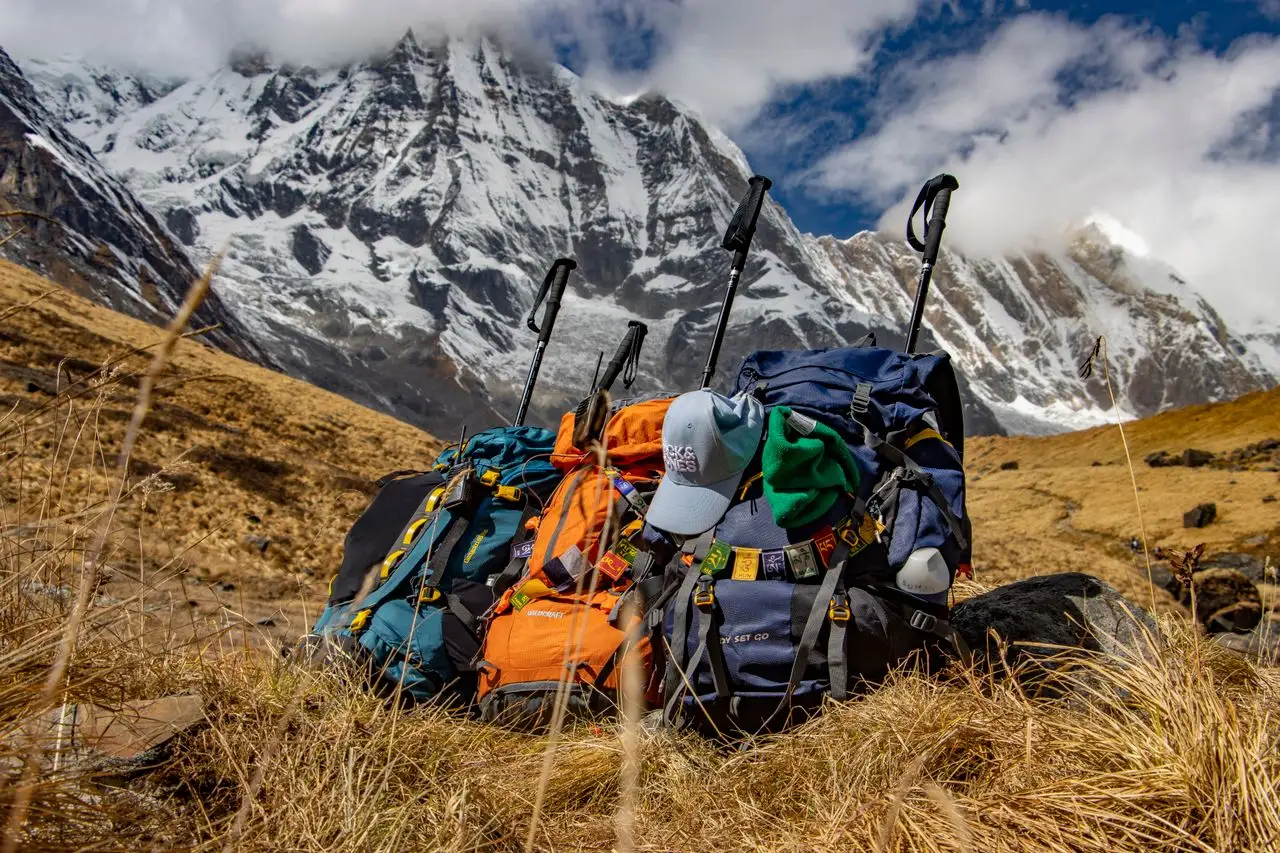
The Manaslu Circuit Trek packing list should prepare you for everything from warm, humid valleys to cold, high-altitude mountain terrain. The trek reaches Larkya La Pass at around 5,106 meters, where conditions can be cold and windy, while the lower sections can be considerably warmer. This major change in altitude and weather makes smart packing essential.
You do not need to carry your entire wardrobe. The best approach is to pack lightweight, versatile trekking gear that works in different conditions. A good layering system, comfortable trekking boots, a warm sleeping bag, reliable rain protection, sun protection, and basic health supplies are among the most important Manaslu trek essentials.
This Manaslu Circuit Trek packing list covers clothing, footwear, backpacks, sleeping gear, trekking equipment, toiletries, medicines, documents, electronics, snacks, seasonal gear, and items you should leave at home.
Manaslu Circuit Trek Packing List at a Glance
For a typical Manaslu Circuit Trek, your essential gear should include:
| Category | Essential Items |
| Clothing | Base layers, T-shirts, fleece, down jacket, waterproof jacket |
| Bottoms | Trekking pants, thermal leggings, waterproof trousers |
| Footwear | Broken-in trekking boots, trekking socks, camp shoes |
| Bags | 25–35L daypack and suitable duffel bag |
| Sleeping | Warm sleeping bag and sleeping bag liner |
| Trekking Gear | Trekking poles, headlamp, rain cover, water bottles |
| Sun Protection | Sunglasses, sunscreen, sun hat, lip balm |
| Health | First-aid kit, personal medicines, blister treatment |
| Toiletries | Toothbrush, toothpaste, sanitizer, toilet paper, towel |
| Documents | Passport, permits, insurance details, copies |
| Electronics | Phone, power bank, cables, camera |
| Food | Energy bars, nuts, dried fruit, electrolytes |
Pack a lightweight three-layer clothing system, sturdy trekking boots, a warm sleeping bag, trekking poles, rain protection, sun protection, personal medication, water treatment, essential documents, and a small amount of high-energy food. Your exact requirements depend on the season, itinerary, and whether you use a porter.
Clothing for the Manaslu Circuit Trek
The Manaslu region has a wide range of temperatures because the trail climbs from lower valleys to more than 5,000 meters. Instead of carrying many heavy clothes, use a layering system for trekking. This allows you to add or remove layers as conditions change.
Base Layers
Your base layer should keep moisture away from your skin.
Pack:
- 2 moisture-wicking thermal tops
- 1–2 thermal bottoms
- 2–3 quick-dry T-shirts
- 4–5 pairs of underwear
- 4–5 pairs of trekking socks
Merino wool or good-quality synthetic materials are useful for trekking because they manage moisture and dry more efficiently than cotton.
Avoid relying on cotton as your main trekking clothing. Once wet, cotton can remain damp and become uncomfortable in colder conditions.
Mid Layers
A fleece jacket is one of the most useful pieces of Manaslu trekking gear.
Pack:
- 1 fleece jacket
- 1 lightweight insulating layer
- 1 warm down or synthetic insulated jacket
Your insulating jacket becomes particularly important at higher elevations and during early morning starts.
Outer Layers
Weather can change quickly in the mountains, so your outer layer should protect you from wind and rain.
Pack:
- Waterproof trekking jacket
- Waterproof or windproof trousers
- Lightweight rain pants
- Packable windproof shell
A waterproof shell is useful even outside the monsoon season because mountain weather can change unexpectedly.
Footwear for Manaslu Circuit Trek
Your feet carry you for several hours every day, so footwear is one area where you should prioritize comfort over price or appearance.
Trekking Boots
Choose sturdy, comfortable boots with good grip.
Your trekking boots should ideally be:
- Well broken-in before the trek
- Comfortable for long walking days
- Suitable for uneven terrain
- Water-resistant or waterproof
- Supportive enough for your personal needs
Do not start the Manaslu Circuit with brand-new boots. Walk in them several times before your trek to identify potential pressure points and prevent blisters.
Trekking Socks
Bring several pairs of good-quality hiking or trekking socks. Wool or synthetic socks are generally more suitable than ordinary cotton socks.
Camp Shoes
A lightweight pair of sandals or comfortable shoes can be useful after a long trekking day. They allow your feet to rest while you are staying in tea houses.
Backpack and Bags
Your Manaslu trek backpack should be practical rather than unnecessarily large.
Daypack
A 25–35 liter daypack is generally sufficient for the items you need while walking.
Keep these items in your daypack:
- Water
- Snacks
- Sunglasses
- Sunscreen
- Rain jacket
- Extra layer
- Phone
- Camera
- Personal medication
- Important documents
Your daypack should have comfortable shoulder straps and, ideally, a supportive hip belt.
Duffel Bag
If you are trekking with a porter, your main clothing and equipment can usually go into a duffel bag. Exact porter weight limits vary by trekking company, so confirm the limit with your operator before packing. Current trekking guidance commonly recommends keeping the daily pack relatively light and the porter-carried luggage within the operator’s stated limit.
Use dry bags or waterproof packing bags inside your duffel to protect clothes and equipment from rain and moisture.
Sleeping Gear for Manaslu Circuit Trek
A warm sleeping bag is an important part of your Manaslu trekking equipment.
Pack:
- Warm sleeping bag
- Sleeping bag liner
- Compression sack
- Small travel pillow, if required
- Earplugs
Although tea houses provide bedding, temperatures can become very cold at higher elevations. Your sleeping bag should therefore be appropriate for the season and the highest sleeping elevations on your itinerary. Some current Manaslu packing guides recommend a sleeping bag rated around -10°C to -15°C or colder, depending on season and personal cold tolerance.
If you are unsure about buying an expensive sleeping bag, ask your trekking company about rental options in Kathmandu.

Trekking Gear and Equipment
Some equipment is small but can make a major difference during the trek.
Trekking Poles
Trekking poles are particularly useful on steep ascents and descents.
They can:
- Improve balance
- Reduce stress on your knees
- Provide additional support on uneven trails
- Help during long descents
Adjustable poles are easy to pack and transport.
Headlamp
Carry a reliable headlamp with spare batteries or a fully charged rechargeable battery.
A headlamp is useful for early morning starts, moving around tea houses at night, and the high-altitude crossing day when you may start walking before sunrise.
Water Bottles and Hydration
Bring:
- 1–2 reusable water bottles
- Hydration bladder, if preferred
- Water purification tablets or another suitable treatment method
- Electrolyte packets
Staying hydrated is particularly important while trekking at altitude.
Other Useful Trekking Equipment
Consider adding:
- Backpack rain cover
- Dry bags
- Gaiters
- Small padlock
- Quick-dry towel
- Lightweight sitting mat, if useful
- Small repair kit
Do not add equipment simply because it appears on a generic trekking checklist. Every extra item adds weight.
High-Altitude Essentials for the Manaslu Circuit
One of the most important sections of your Manaslu Circuit packing list is the high-altitude gear.
The route reaches Larkya La Pass at around 5,106 meters, making preparation for cold, wind, strong sunlight, and altitude important.
Pack:
- Warm down or insulated jacket
- Thermal base layers
- Warm gloves
- Sun hat
- Warm beanie
- Buff or neck gaiter
- UV-protection sunglasses
- High-SPF sunscreen
- SPF lip balm
- Trekking poles
- Water bottles
- Suitable sleeping bag
Altitude Sickness Preparation
Packing alone cannot prevent altitude sickness. Proper acclimatization, a sensible pace, hydration, and awareness of symptoms are important.
Your first-aid and health preparation should include:
- Personal prescription medicines
- Basic first-aid supplies
- Blister treatment
- Bandages
- Antiseptic
- Oral re-hydration or electrolyte products
- Personal medical information
If you are considering medication for altitude sickness, speak with a qualified healthcare professional before your trek rather than self-prescribing.
Toiletries and Personal Care Items
You do not need full-size toiletries for a Himalayan trek.
Pack travel-size versions of:
- Toothbrush
- Toothpaste
- Biodegradable soap
- Hand sanitizer
- Wet wipes
- Toilet paper
- Quick-dry towel
- Sunscreen
- Lip balm
- Moisturizer
- Small comb
- Nail clippers
If you use menstrual products, bring enough for the entire trek because availability becomes more limited as you move into remote areas.
Keep toiletries in a waterproof bag. This makes your duffel easier to organize and protects other items from leaks.
First Aid Kit and Personal Medicines
A compact Manaslu trek first aid kit is recommended.
Consider carrying:
- Personal prescription medication
- Blister treatment
- Adhesive bandages
- Antiseptic
- Gauze
- Medical tape
- Pain-relief medication suitable for you
- Oral re-hydration salts
- Electrolytes
- Any medication recommended by your doctor
Do not rely entirely on finding medication along the trekking route. Carry the personal medicines you need from the beginning.
It is also wise to carry travel insurance information and emergency contact details. Your travel insurance should be appropriate for high-altitude trekking and the activities included in your itinerary.
Documents and Money to Pack
The Manaslu region has additional permit requirements because it is a restricted trekking area. Your trekking agency should arrange the required permits and explain what documents you need to carry.
Keep the following safely in a waterproof document pouch:
- Original passport
- Copies of passport
- Nepal visa documentation
- Required trekking permits
- Travel insurance details
- Emergency contact information
- Passport-size photographs, if required
- Booking or emergency information from your trekking company
Depending on your itinerary, required permits can include the Manaslu Restricted Area Permit (RAP) and conservation-area permits. Confirm the current requirements with your registered trekking agency before departure because permit rules and fees can change.
Money
Carry enough Nepalese rupees for personal expenses because payment facilities become more limited as you move deeper into the mountains.
Keep your money in more than one secure location.
Electronics and Gadgets
You do not need to bring every electronic device you own.
Useful electronics include:
- Smartphone
- Power bank
- Charging cables
- Universal travel adapter
- Camera
- Spare camera batteries
- Memory card
- Headlamp
A power bank can be especially useful because charging availability may vary along the route.
Protect electronics from moisture by keeping them in waterproof pouches or dry bags.
If photography is important to you, remember that additional lenses and batteries add weight. Take only the equipment you are genuinely going to use.
Food and Snacks for the Trek
You do not need to carry all your meals from Kathmandu.
However, lightweight snacks can be useful during long walking days.
Consider:
- Energy bars
- Trail mix
- Nuts
- Dried fruit
- Chocolate
- Crackers
- Electrolyte tablets
- Instant coffee or tea, if preferred
Choose compact, high-energy foods rather than heavy items.
What Not to Pack for the Manaslu Circuit Trek
Knowing what to leave behind is just as important as knowing what to pack.
Avoid:
- Too many clothes
- Heavy jeans
- Large bottles of toiletries
- Multiple pairs of heavy shoes
- Excessive electronics
- Bulky towels
- Unnecessary books
- Large amounts of food
- Expensive jewelry
- Items you will only use once
A simple rule works well: if an item has only one possible use and is unlikely to be needed, consider leaving it behind.
Pack versatile clothing that can be layered and reused.
Manaslu Circuit Trek Packing List by Season
Your Manaslu trek packing list should change according to the season.
Spring: March to May
Spring generally offers good trekking conditions, but temperatures can still be cold at higher elevations.
Bring:
- Base layers
- Fleece
- Down or insulated jacket
- Waterproof shell
- Trekking pants
- Gloves
- Warm hat
- Sun protection
Do not assume that warmer lower valleys mean you can leave your cold-weather gear behind.
Monsoon: June to August
The monsoon brings more rain to the lower sections and can make trails wet and slippery.
Prioritize:
- Waterproof jacket
- Waterproof trousers
- Backpack rain cover
- Dry bags
- Quick-dry clothing
- Waterproof footwear
- Extra socks
Weather and trail conditions can be more variable during this period, so check conditions before departure.
Autumn: September to November
Autumn is one of the most popular seasons for the Manaslu Circuit.
Pack:
- Layered clothing
- Fleece
- Down jacket
- Waterproof shell
- Warm gloves
- Hat
- Sunglasses
- Sunscreen
Even when daytime conditions are comfortable, mornings and nights at higher elevations can be very cold.
Winter: December to February
Winter requires additional cold-weather preparation.
You may need:
- Heavier insulated jacket
- Warm thermal layers
- Insulated gloves
- Warm hat
- Neck protection
- Warmer sleeping bag
- Extra socks
- Appropriate winter footwear
- Gaiters where conditions require them
Winter conditions can affect high passes and trail accessibility, so check current conditions with your trekking agency before departure.
Complete Manaslu Circuit Trek Packing List Checklist
Clothing
- ☐ 2 thermal tops
- ☐ 1–2 thermal bottoms
- ☐ 2–3 quick-dry T-shirts
- ☐ 2–3 trekking pants
- ☐ Fleece jacket
- ☐ Down or insulated jacket
- ☐ Waterproof jacket
- ☐ Waterproof trousers
- ☐ 4–5 pairs of trekking socks
- ☐ Underwear
- ☐ Warm hat
- ☐ Sun hat
- ☐ Gloves
- ☐ Buff or neck gaiter
Footwear
- ☐ Broken-in trekking boots
- ☐ Trekking socks
- ☐ Camp shoes or sandals
- ☐ Gaiters, if required
Trekking Gear
- ☐ Daypack
- ☐ Duffel bag
- ☐ Sleeping bag
- ☐ Sleeping bag liner
- ☐ Trekking poles
- ☐ Headlamp
- ☐ Backpack rain cover
- ☐ Water bottles
- ☐ Water purification
Health and Hygiene
- ☐ First-aid kit
- ☐ Personal medicines
- ☐ Sunscreen
- ☐ Sunglasses
- ☐ Lip balm
- ☐ Toothbrush and toothpaste
- ☐ Hand sanitizer
- ☐ Wet wipes
- ☐ Toilet paper
- ☐ Quick-dry towel
Documents and Money
- ☐ Passport
- ☐ Passport copies
- ☐ Required permits
- ☐ Travel insurance
- ☐ Emergency contacts
- ☐ Nepalese rupees
Electronics
- ☐ Smartphone
- ☐ Power bank
- ☐ Charging cables
- ☐ Universal adapter
- ☐ Camera
- ☐ Spare batteries
Snacks
- ☐ Energy bars
- ☐ Nuts
- ☐ Dried fruit
- ☐ Chocolate
- ☐ Electrolytes
Do You Need a Porter for the Manaslu Circuit Trek?
A porter can make the trek considerably more comfortable by carrying your main luggage while you carry a smaller daypack.
If you use a porter, keep essential items such as your passport, money, medication, water, snacks, camera, and extra clothing layer in your daypack.
Do not assume that every trekking company has the same porter baggage policy. Ask your trekking agency about the permitted weight before finalizing your Manaslu trek packing list. Responsible packing also helps protect porter welfare on this demanding mountain route.
Manaslu Trek Packing Tips for Beginners
If this is your first high-altitude trek, these simple tips can make preparation easier:
- Break in your trekking boots before departure.
- Use layers instead of carrying bulky winter clothing.
- Pack important documents in a waterproof pouch.
- Keep personal medication in your daypack.
- Use packing cubes or dry bags to organize your luggage.
- Carry a reliable rain cover even during the main trekking seasons.
- Keep your daypack light.
- Bring enough warm clothing for the highest sections.
- Do not over pack food or toiletries.
- Confirm porter weight limits with your trekking company.
- Check seasonal weather and trail conditions before departure.
- Test all important equipment before starting the trek.
The goal is not to have the biggest backpack. The goal is to have the right equipment for the conditions you will actually encounter.
Frequently Asked Questions About Manaslu Circuit Trek Packing List
What should I pack for the Manaslu Circuit Trek?
Pack layered clothing, comfortable trekking boots, a warm sleeping bag, trekking poles, waterproof protection, sun protection, personal medicines, water bottles, toiletries, documents, and essential electronics. Your list should also include warmer gear for the high-altitude section around Larkya La Pass.
How many kilograms should I pack for the Manaslu Circuit Trek?
The ideal weight depends on whether you use a porter and your trekking company’s baggage policy. Keep your personal daypack as light as possible and confirm the maximum porter-carried weight before your trek.
What clothes do I need for the Manaslu Circuit Trek?
You need moisture-wicking base layers, quick-dry shirts, trekking pants, a fleece or insulating layer, a warm down jacket, a waterproof shell, gloves, warm and sun hats, and enough trekking socks.
Do I need a sleeping bag for the Manaslu Circuit Trek?
Yes. A suitable warm sleeping bag is strongly recommended, particularly for higher elevations where temperatures can become very cold. Choose a rating appropriate for the season and your personal cold tolerance.
What kind of shoes are best for Manaslu Trek?
Well-fitting, broken-in trekking boots with good traction are a practical choice. Waterproof or water-resistant footwear can be helpful, particularly in wet conditions.
Do I need trekking poles for the Manaslu Circuit?
Trekking poles are not necessarily mandatory, but they are highly useful. They can improve balance and provide additional support during steep climbs and descents.
What should I pack for Larkya La Pass?
For the Larkya La crossing, carry warm layers, an insulated jacket, gloves, warm head-wear, sunglasses, sunscreen, water, snacks, trekking poles, and a headlamp if you have an early start.
Can I buy trekking gear in Kathmandu?
Yes, Kathmandu has many shops where trekkers can purchase or rent common trekking equipment. However, it is better to arrange important personal items such as properly fitted boots and prescription medicines before the trek.
Do I need a porter for the Manaslu Circuit Trek?
A porter is not essential for every trekker, but it can make a long, high-altitude trek more comfortable. If you hire one, confirm the luggage allowance with your trekking agency.
Final Thoughts: Pack Smart for the Manaslu Circuit Trek Packing List
A good Manaslu Circuit Trek packing list should balance warmth, safety, comfort, and weight. You need to prepare for a remarkable range of conditions, from warmer lower valleys to cold and exposed high-altitude terrain around Larkya La Pass.
Focus on the essentials: layered clothing, reliable trekking boots, a warm sleeping bag, rain protection, trekking poles, hydration, sun protection, personal medication, important documents, and lightweight personal items.
Most importantly, avoid over packing. A lighter, well-organized backpack is easier to carry and makes long trekking days more comfortable. Check the season, confirm your trekking company’s porter and equipment policies, and make sure your essential gear is tested before you leave Kathmandu.
With the right preparation and a practical Manaslu trekking checklist, you can spend less time worrying about your equipment and more time enjoying the mountain scenery, traditional villages, Himalayan culture, and dramatic landscapes of the Manaslu region.
Related Blogs
Best Time for Manaslu Circuit Trek: Weather & Monthly Guide
The best time for Manaslu Circuit Trek is generally during spring (March to May) and autumn (September to November)....
Mardi Himal Trek Solo A Complete Guide for Solo Travelers
The Mardi Himal Trek is one of the most beautiful short treks in Nepal. It takes you through green...
Mardi Himal Trek Difficulty: How Hard Is the Trek?
The Mardi Himal Trek difficulty is generally considered moderate, making it a good choice for beginners and experienced trekkers who have...
For Queries & Reservations
Travelling with us is flexible, freedom and fun.
We deliver exceptional products at a very good price for you, but not at the cost of the environment or our social responsibilities “travel Responsibly”