

Mardi Himal Trek Difficulty: How Hard Is the Trek?
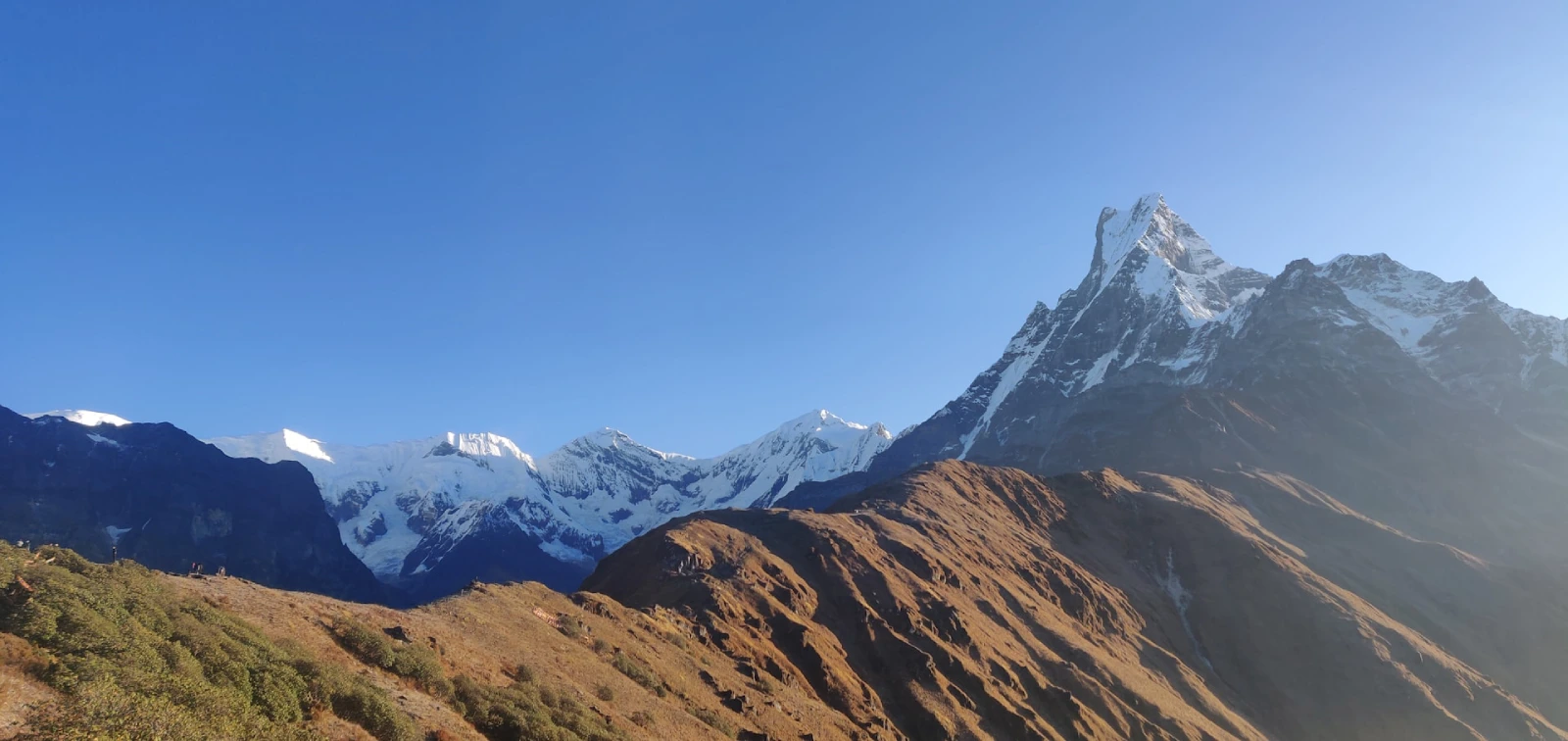
The Mardi Himal Trek difficulty is generally considered moderate, making it a good choice for beginners and experienced trekkers who have reasonable physical fitness. The trek does not require technical climbing skills, but it involves steep uphill and downhill sections, long walking days, changing weather, and high-altitude trekking.
The highest point of the standard Mardi Himal Trek is around 4,500 meters at Mardi Himal Base Camp, depending on the exact route and viewpoint included in the itinerary. As the trail gains elevation, walking becomes more demanding because of thinner air and colder conditions.
Most trekkers can complete the route successfully by maintaining a steady pace, preparing physically, carrying suitable equipment, and allowing enough time for rest and acclimatization. The trek is relatively short compared with some of Nepal’s longer Himalayan routes, but its steep sections and rapid elevation gain mean that proper preparation is still important.
Mardi Himal Trek Difficulty at a Glance
| Trekking Factor | Details |
| Overall Difficulty | Moderate |
| Trek Duration | Usually 5–8 days |
| Highest Point | Around 4,500 m |
| Daily Walking | Approximately 5–7 hours |
| Trail Type | Forest, stone steps, rocky and mountain trails |
| Technical Climbing | Not required |
| Beginner Friendly | Yes, with proper preparation |
| Main Challenges | Steep trails, altitude, weather and long walking days |
| Best Seasons | Spring and autumn |
| Accommodation | Tea houses and lodges |
Why Is Mardi Himal Trek Considered Moderate?
Mardi Himal is often described as a moderate trek because it combines manageable distances with some challenging terrain and high-altitude sections. You do not need mountaineering experience, ropes, or technical climbing equipment. However, you should be comfortable walking uphill for several hours and trekking on uneven mountain trails.
Several factors determine how difficult the trek feels.
1. Altitude
Altitude is one of the most important factors affecting Mardi Himal Trek difficulty. The trail starts at a relatively low elevation and gradually moves toward the high mountain region.
As you gain altitude, the amount of available oxygen decreases. You may notice that you become tired more quickly, breathe harder while walking uphill, or need more frequent breaks.
The highest sections around Mardi Himal Base Camp are therefore considerably more demanding than the lower forest trails.
Walking slowly, drinking enough water, eating properly, and allowing your body time to adjust can make a significant difference.
2. Steep Ascents and Descents
Mardi Himal is not an entirely flat or gradual trek. Some sections include steep climbs through forests, stone steps, ridges, and rocky terrain.
The uphill sections require strength and endurance, while long descents can put additional pressure on your knees and ankles.
For many trekkers, the steepness of the trail can feel more challenging than the actual distance covered each day.
3. Daily Walking Hours
Most Mardi Himal itineraries involve approximately 5 to 7 hours of walking per day, although the exact duration depends on the starting point, destination, route, weather, group pace, and itinerary.
You do not need to walk quickly. A slow and consistent pace is usually more effective than trying to cover the trail rapidly.
4. Trail Conditions
The lower sections generally pass through forests and established trekking trails. Higher sections can become more exposed and rocky.
Trail conditions can also change according to the season. Rain may make sections muddy and slippery, while snow and ice can make the higher trail more challenging during winter.
Good trekking shoes with reliable grip are therefore essential.
5. Weather
Mountain weather can change quickly. Even when conditions are comfortable at lower elevations, temperatures can drop significantly at higher elevations.
Cold temperatures, wind, rain, fog, or snowfall can make walking more difficult. Proper layering and waterproof clothing can help you remain comfortable throughout the trek.
Mardi Himal Trek Difficulty by Day
The difficulty varies throughout the route. A typical itinerary may include easier forest walking during the first part and more demanding terrain as you approach the high camp and Mardi Himal Base Camp.
Lower Elevation Sections
The initial trekking days generally involve walking through villages, forests, and gradually rising terrain. These sections are suitable for most reasonably fit trekkers.
You may encounter stone steps and uphill trails, but the altitude is not yet the main concern.
Forest Camp to High Camp
As the trail climbs higher, the terrain becomes more demanding. You gain elevation and encounter steeper sections.
The landscape also changes from dense forest to more open mountain terrain. Trekkers may begin to notice the effects of altitude, especially if they walk too quickly.
This section can feel moderate to challenging compared with the earlier part of the trek.
High Camp to Mardi Himal Base Camp
This is generally considered the hardest part of the Mardi Himal Trek.
The trail reaches its highest elevation, and the combination of steep terrain, cold temperatures, early morning walking, and reduced oxygen can make the journey physically demanding.
Many trekkers start early to reach the viewpoint or base camp before clouds develop and to enjoy better mountain views.
After reaching the high point, the return journey involves considerable downhill walking, which can also be tiring.
Is Mardi Himal Trek Difficult for Beginners?
Mardi Himal Trek is suitable for beginners who have reasonable fitness and prepare properly.
You do not need previous high-altitude trekking experience or technical mountaineering skills. However, being a beginner does not mean the trek is effortless.
If you regularly walk, hike, exercise, or participate in other endurance activities, you can build the fitness required for the trek.
Beginners should focus on:
- Building cardiovascular endurance
- Strengthening their legs
- Practicing uphill and downhill walking
- Getting used to walking for several consecutive hours
- Carrying a daypack during training
- Learning to maintain a comfortable trekking pace
Choosing a sensible itinerary is also important. Trying to complete the trek in too few days can increase physical strain and make altitude adjustment more difficult.
Mardi Himal Trek Fitness Level
You do not need to be an athlete to complete Mardi Himal Trek. A moderate level of physical fitness is generally sufficient.
You should ideally be able to walk continuously for several hours without significant difficulty. Regular hiking experience is helpful, but it is not mandatory if you train beforehand.
How to Train for Mardi Himal Trek
Start preparing around 4–8 weeks before the trek, depending on your current fitness level.
Walking and Hiking
Regular walking is one of the simplest ways to prepare. Gradually increase the distance and duration of your walks.
Include longer hikes on weekends so your body becomes accustomed to spending several hours on your feet.
Stair Climbing
Stair climbing is particularly useful because Mardi Himal includes numerous uphill and downhill sections.
Start with shorter sessions and gradually increase the number of stairs or duration.
Strength Training
Focus on exercises that strengthen your legs and core, such as:
- Squats
- Lunges
- Step-ups
- Calf raises
- Planks
- Bodyweight exercises
Strong legs can make uphill climbs and long descents easier.
Cardiovascular Exercise
Cycling, jogging, swimming, or brisk walking can improve your cardiovascular endurance.
The goal is not to train for speed. Instead, build the ability to remain active for several hours without becoming excessively tired.
Mardi Himal Trek Elevation and Its Impact on Difficulty
Elevation plays a major role in determining how difficult the trek feels.
The journey starts at a much lower elevation and gradually moves toward the high Himalayan landscape. By the time you reach the higher camps and Mardi Himal Base Camp area, the air is considerably thinner than in Pokhara.
At higher elevations, you may experience:
- Faster breathing
- Lower energy levels
- Headache
- Reduced appetite
- Difficulty sleeping
- Slower walking pace
These symptoms should not simply be ignored. If you feel unwell at altitude, inform your guide and follow appropriate safety advice.
The best approach is to walk slowly, avoid unnecessary exertion, stay hydrated, and give your body enough time to adjust.
What Is the Hardest Part of Mardi Himal Trek?
The High Camp to Mardi Himal Base Camp or viewpoint section is usually the most challenging part of the trek.
Several factors come together here:
- Highest elevation of the trek
- Steeper and rockier terrain
- Cold temperatures
- Early morning departure
- Reduced oxygen
- Long walking and return journey
The difficulty is different for every person. A trekker with good fitness and previous high-altitude experience may find it manageable, while a first-time trekker may need more time and frequent breaks.
The key is not to compare your pace with other people. Maintain a comfortable rhythm and listen to your body.
Is Mardi Himal Harder Than Poon Hill?
Mardi Himal is generally more demanding than the Ghorepani Poon Hill Trek.
Poon Hill reaches a lower maximum elevation and is usually considered an easier short trek. Mardi Himal involves higher-altitude walking, steeper sections, and more demanding terrain toward the upper part of the route.
If you are looking for a shorter and relatively easier introduction to trekking in the Nepal Himalayas, Poon Hill may be more suitable.
If you want a higher-altitude experience with closer mountain views and are prepared for more physical effort, Mardi Himal is an excellent option.
Is Mardi Himal Harder Than Annapurna Base Camp?
The answer depends on the itinerary, pace, and individual fitness level.
Mardi Himal reaches a higher elevation than Annapurna Base Camp, while Annapurna Base Camp involves longer trekking through varied terrain and a substantial amount of uphill and downhill walking.
Mardi Himal may feel particularly demanding because of the steep sections and elevation gain toward High Camp and the base camp area.
Therefore, neither trek should automatically be considered easier for everyone. Your experience, fitness, itinerary, weather, and acclimatization all influence the actual difficulty.
Altitude Sickness on Mardi Himal Trek
Altitude sickness is one of the most important safety considerations on a high-altitude trek.
It can occur when the body does not adjust properly to increasing elevation. Common symptoms may include headache, dizziness, unusual tiredness, nausea, and difficulty sleeping.
The risk generally increases as you climb higher.
To reduce the risk:
- Ascend at a sensible pace.
- Stay hydrated.
- Avoid excessive physical exertion.
- Get enough rest.
- Eat regular meals.
- Tell your guide if you feel unwell.
- Do not continue ascending if you develop concerning altitude symptoms.
If symptoms become severe or worsen, descending to a lower elevation is an important safety measure. Always follow the advice of your qualified guide or medical professional.
Best Time for an Easier Mardi Himal Trek
Choosing the right season can significantly affect trekking difficulty.
Spring: March to May
Spring is one of the most popular periods for Mardi Himal Trek. The weather is generally favorable, mountain views can be excellent, and rhododendron forests add color to the trail.
Lower rainfall and generally stable conditions can make trekking more comfortable.
Autumn: September to November
Autumn is another excellent season. Clearer skies, pleasant daytime conditions, and good mountain visibility make the trek enjoyable.
For many trekkers, autumn provides some of the best conditions for a comfortable Mardi Himal experience.
Winter: December to February
Winter brings colder temperatures and possible snowfall in the higher sections.
Snow can make trails more difficult to navigate and may require additional preparation. Trekkers should be prepared for freezing temperatures and changing conditions.
Monsoon: June to August
Monsoon brings frequent rain to the region. Trails can become muddy and slippery, while clouds can reduce mountain visibility.
Leeches may also be present in forested areas.
Although trekking is possible with appropriate preparation, monsoon conditions can make Mardi Himal more challenging than during spring or autumn.
What Makes Mardi Himal Trek Easier?
A few practical decisions can make a significant difference.
Choose the Right Itinerary
Do not select an itinerary simply because it is shorter. A well-paced itinerary allows your body to recover and adjust to increasing elevation.
Maintain a Slow Pace
You are trekking in the Himalayas, not racing. A steady pace helps conserve energy.
Keep Your Backpack Light
Carry only essential items. A heavy backpack can significantly increase physical strain, particularly during steep climbs.
Use Trekking Poles
Trekking poles can provide additional stability on steep ascents and reduce pressure on your knees during descents.
Stay Hydrated
Drink water regularly throughout the day. Dehydration can contribute to fatigue and make trekking feel harder.
Start Early
Starting early can provide more time to complete challenging sections before afternoon weather changes.
Follow Your Guide
A knowledgeable local guide can help with pacing, route conditions, weather, accommodation, and altitude-related concerns.
What Should You Pack for Mardi Himal Trek?
Packing appropriately can improve both comfort and safety.
Essential items generally include:
- Comfortable trekking boots
- Warm base layers
- Fleece or insulated jacket
- Waterproof jacket
- Trekking trousers
- Warm hat and gloves
- Sunglasses
- Sunscreen
- Water bottle
- Trekking poles
- Headlamp
- Personal toiletries
- Basic first-aid supplies
- Personal medications
- Sleeping bag suitable for the season
- Small backpack for daily essentials
Avoid over-packing. A lighter load makes long uphill and downhill sections easier.
Who Is Mardi Himal Trek Suitable For?
Mardi Himal Trek can be suitable for a wide range of travelers who are physically prepared.
It is particularly appropriate for:
- First-time Himalayan trekkers
- Regular hikers
- Active travelers
- Couples
- Solo travelers with appropriate arrangements
- Small trekking groups
- Experienced trekkers looking for a shorter Himalayan adventure
People who are not accustomed to long-distance walking should prepare before departure.
If you have a medical condition or concerns about exercising at high altitude, consult an appropriate healthcare professional before planning the trek.
Mardi Himal Trek Difficulty: Frequently Asked Questions
Is Mardi Himal Trek difficult?
Mardi Himal Trek is generally a moderate-level trek. It is not technically difficult, but steep trails, high altitude, long walking days, and changing weather can make some sections challenging.
Is Mardi Himal Trek suitable for beginners?
Yes. Beginners with reasonable fitness can complete Mardi Himal Trek with proper preparation, a suitable itinerary, a steady pace, and appropriate guidance.
How many hours do you walk per day on Mardi Himal Trek?
Most itineraries involve approximately 5–7 hours of walking per day, although actual walking time varies according to the route, itinerary, terrain, pace, and weather.
What is the highest point of Mardi Himal Trek?
The highest point is generally around 4,500 meters near Mardi Himal Base Camp, although the exact elevation reached can vary depending on the itinerary and viewpoint.
What is the hardest day of Mardi Himal Trek?
The journey from High Camp toward Mardi Himal Base Camp or the highest viewpoint is usually the most demanding day because of the elevation, steep terrain, cold conditions, and early start.
Do I need previous trekking experience?
No. Previous trekking experience is helpful but not essential. Good physical preparation and the ability to walk for several hours are more important.
How fit do I need to be for Mardi Himal Trek?
A moderate fitness level is recommended. You should be comfortable walking for several hours, climbing stairs, and handling consecutive days of physical activity.
Is Mardi Himal Trek harder than Poon Hill?
Generally, yes. Mardi Himal involves higher elevations and more demanding upper sections, while Poon Hill is usually considered an easier short trek.
Can I trek Mardi Himal without a guide?
Trekking regulations and route requirements can change, so travelers should check the latest requirements before departure. Using a qualified local guide is strongly recommended for safety, navigation, logistics, and altitude awareness.
Final Verdict: How Difficult Is Mardi Himal Trek?
The Mardi Himal Trek difficulty level is moderate. It is challenging enough to provide a genuine Himalayan trekking experience but does not require technical climbing skills.
The biggest challenges are steep uphill and downhill trails, increasing altitude, long walking days, cold weather, and changing trail conditions. The highest section toward Mardi Himal Base Camp is usually the most demanding part.
For beginners, the trek is achievable with 4–8 weeks of physical preparation, a well-planned itinerary, proper equipment, and a controlled walking pace.
If you are physically active and comfortable with several hours of walking, Mardi Himal can be an excellent introduction to high-altitude trekking in Nepal. Proper preparation is the key to turning a challenging trek into a rewarding Himalayan experience.
Related Blogs
Best Time for Manaslu Circuit Trek: Weather & Monthly Guide
The best time for Manaslu Circuit Trek is generally during spring (March to May) and autumn (September to November)....
Mardi Himal Trek Solo A Complete Guide for Solo Travelers
The Mardi Himal Trek is one of the most beautiful short treks in Nepal. It takes you through green...
Manaslu Circuit Trek Difficulty: How Hard Is the Trek?
The Manaslu Circuit Trek is one of Nepal’s most rewarding high-altitude adventures. It offers spectacular mountain scenery, authentic Tibetan-influenced...
For Queries & Reservations
Travelling with us is flexible, freedom and fun.
We deliver exceptional products at a very good price for you, but not at the cost of the environment or our social responsibilities “travel Responsibly”