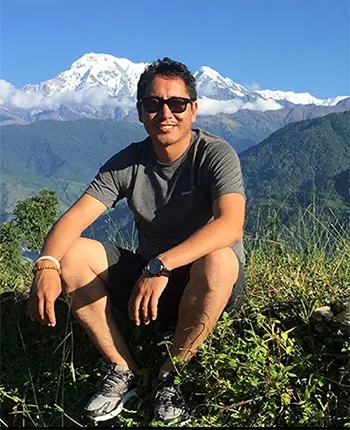

Mardi Himal Trek Solo A Complete Guide for Solo Travelers
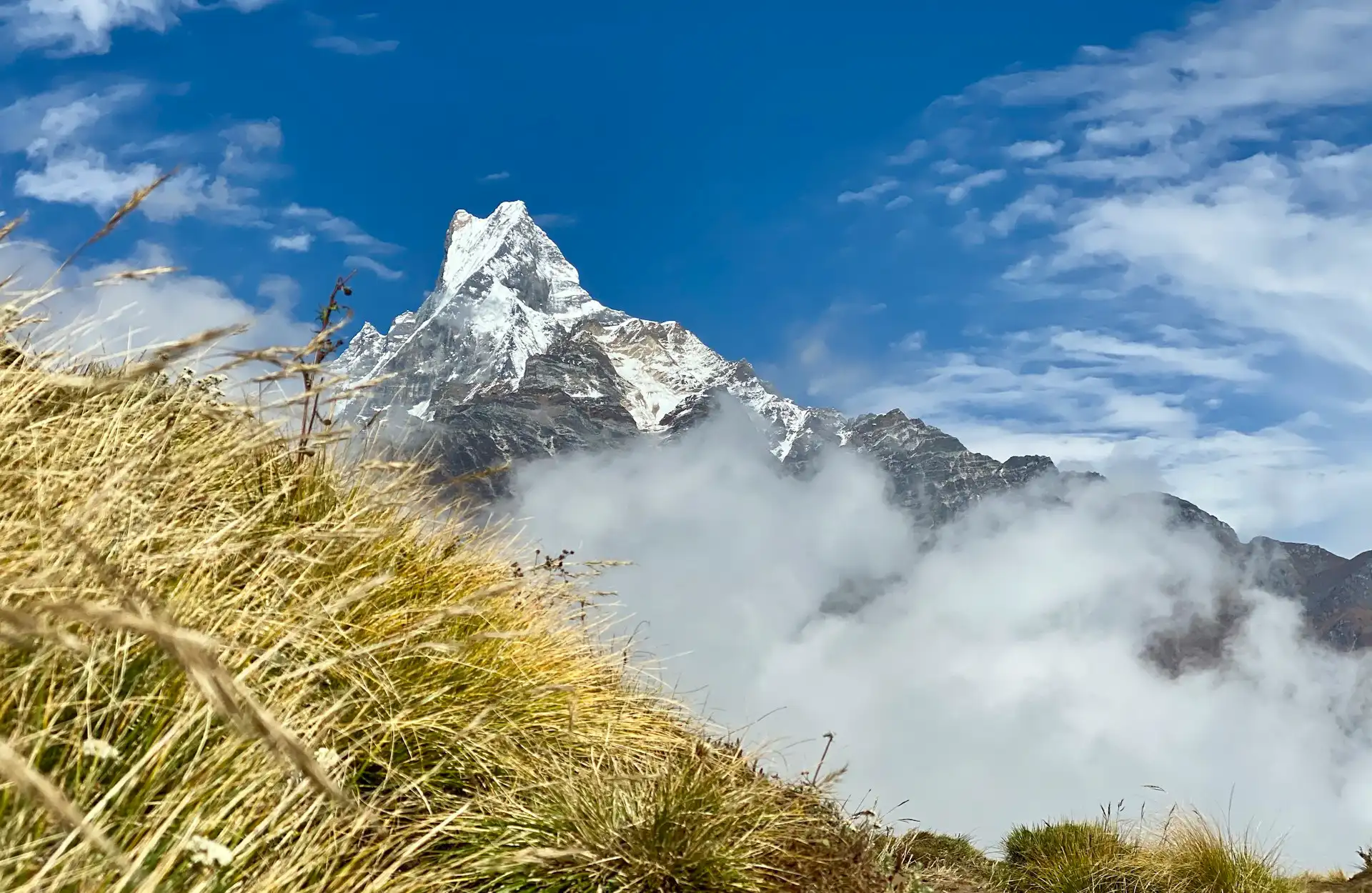
The Mardi Himal Trek is one of the most beautiful short treks in Nepal. It takes you through green forests, traditional villages, rhododendron-covered hills, and high mountain landscapes with close views of Machhapuchhre, Annapurna South, Hiunchuli, and Mardi Himal.
For many travelers, the trek is especially attractive because it is shorter and less crowded than some of Nepal’s famous trekking routes. This makes it a popular choice for people who want to experience the Himalayas without spending several weeks on the trail.
But many travelers ask an important question: Can you do the Mardi Himal Trek solo?
The answer depends on what you mean by solo. You can travel to Nepal alone and complete the trek without joining a large group. However, trekking regulations in Nepal can change, and requirements regarding guides and permits may depend on the route and current rules. Therefore, it is always important to check the latest official requirements before starting your trek.
In this complete guide to the Mardi Himal Trek solo, you will learn about the route, difficulty, cost, safety, accommodation, best time to visit, packing, and the differences between solo and guided trekking.
Mardi Himal Trek Solo at a Glance
| Category | Details |
| Trek Duration | 5–7 Days |
| Trek Region | Annapurna Region |
| Starting Point | Kande or Phedi |
| Highest Point | Around 4,200–4,500 meters |
| Difficulty | Moderate |
| Accommodation | Tea Houses |
| Best Season | Spring and Autumn |
| Mountain Views | Mardi Himal, Machhapuchhre, Annapurna South, Hiunchuli |
| Suitable For | Beginners with good fitness and experienced trekkers |
| Solo Traveler Friendly | Yes, depending on current trekking regulations |
The trek usually begins with a short drive from Pokhara. From there, you walk through villages and forests before climbing toward Forest Camp, Low Camp, High Camp, and the Mardi Himal viewpoint or Mardi Himal Base Camp.
The exact itinerary can change depending on your fitness level, route choice, weather, and accommodation.
Can You Do the Mardi Himal Trek Solo?
Yes, many travelers want to experience the Mardi Himal Trek as solo travelers. However, there is an important difference between traveling solo and trekking completely independently without a guide.
Traveling Solo
Traveling solo means you come to Nepal alone. You may still hire a private guide or porter. This is a good option for people who want the freedom of a personal trip but also want professional support.
For example, you can have:
- One traveler
- One licensed trekking guide
- Optional porter
You do not have to join a large group.
Independent Trekking
Independent trekking generally means walking without a guide or organized trekking team.
Whether this is permitted can depend on current trekking rules and route regulations. Requirements in Nepal have changed in recent years, so you should not rely only on old blog posts or travel forums.
Before starting your trek, confirm the latest information about:
- Guide requirements
- Trekking permits
- TIMS requirements
- Annapurna Conservation Area entry requirements
- Checkpoint procedures
Joining a Group Trek
Another option is to travel alone but join a small group.
This can be useful if you want:
- Lower costs
- Company on the trail
- A guide
- Better emergency support
- Help with permits and transportation
For many first-time visitors to Nepal, a small group trek provides a good balance between safety and cost.
Why Choose the Mardi Himal Trek as a Solo Traveler?
The Mardi Himal Trek is ideal for solo travelers seeking adventure, beautiful mountain views, and a peaceful experience. The trail is relatively short and less crowded, while comfortable tea houses provide accommodation and meals. Solo trekkers can enjoy independence, meet fellow hikers, and experience the Himalayas safely.
1. Short Trekking Duration
The trek usually takes between five and seven days. This is ideal for travelers who have limited time in Nepal.
You can experience forests, mountain villages, high ridges, and Himalayan views without completing a long expedition.
2. Easy Access from Pokhara
Pokhara is the main starting point for the trek.
Most trekkers travel from Pokhara to Kande or another trailhead by road. This makes the trek easier to organize than more remote Himalayan adventures.
Pokhara also has:
- Hotels
- Restaurants
- Gear shops
- Banks and ATMs
- Transportation services
- Travel agencies
You can prepare for your trek before entering the mountains.
3. Beautiful Mountain Views
One of the main reasons to choose the Mardi Himal Trek is the scenery.
The route offers views of:
- Machhapuchhre
- Annapurna South
- Hiunchuli
- Mardi Himal
- Other peaks of the Annapurna range
As you climb higher, the mountain views become more dramatic.
The morning views from High Camp and the upper viewpoint are often the highlight of the trek.
4. Less Crowded Than Major Trekking Routes
Compared with some popular trekking routes in the Annapurna and Everest regions, Mardi Himal can feel quieter.
During the peak season, you will still meet other trekkers. However, the trail often feels less busy than routes such as Annapurna Base Camp.
This can be attractive for solo travelers who enjoy peaceful mountain environments.
5. Tea House Accommodation
You do not need to carry a tent and camping equipment for a standard Mardi Himal Trek.
There are tea houses along the route where trekkers can sleep and eat.
However, accommodation becomes more basic as you move higher.
Mardi Himal Trek Solo vs Guided Trek
Solo trekking offers more freedom, flexibility, and a lower overall cost, making it ideal for experienced and independent hikers. A guided trek provides local knowledge, easier logistics, cultural insights, and added support. While solo trekking suits confident travelers, a guided Mardi Himal Trek is better for beginners or those seeking convenience.
Both options have advantages.
Solo-Style Trekking
A solo-style trek gives you more freedom.
You can:
- Choose your own walking pace
- Spend more time taking photographs
- Stop when you want
- Enjoy quiet moments
- Adjust your itinerary when possible
- Travel without a large group
For experienced trekkers, this flexibility can be very attractive.
However, greater freedom also means greater responsibility.
You need to manage:
- Navigation
- Accommodation
- Food
- Weather decisions
- Safety
- Altitude awareness
- Emergency planning
Guided Mardi Himal Trek
A guide can make the trekking experience easier.
Your guide can help with:
- Navigation
- Trekking logistics
- Communication
- Accommodation arrangements
- Understanding the route
- Weather decisions
- Emergency coordination
A local guide can also explain the culture, villages, mountains, and daily life in the region.
This can make the trek more meaningful.
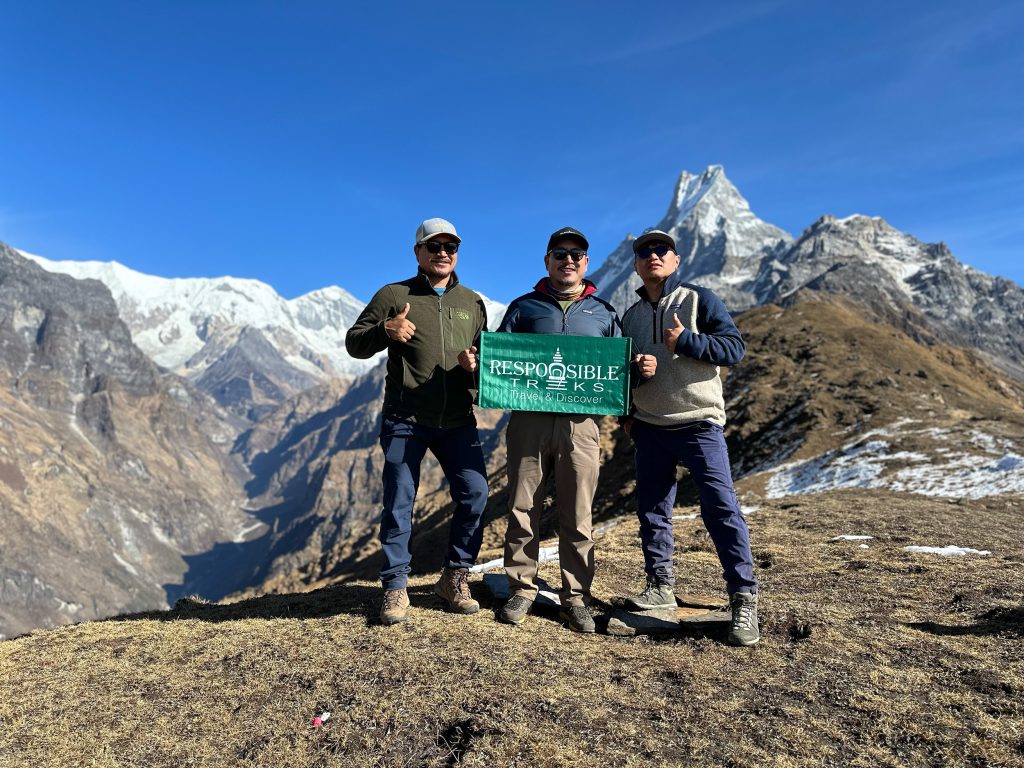
Solo vs Guided Mardi Himal Trek Comparison
| Factor | Solo / Independent Style | Guided Trek |
| Freedom | Very High | High |
| Walking Pace | Your Choice | Flexible |
| Navigation | Your Responsibility | Guide Assists |
| Local Knowledge | Limited | Strong |
| Safety Support | Self-Managed | Better Support |
| Emergency Planning | Your Responsibility | Guide Can Help |
| Cost | Potentially Lower | Higher |
| Cultural Experience | Limited | More Detailed |
| Accommodation | Self-Managed | Guide Can Arrange |
| Best For | Experienced Trekkers | Beginners and First-Time Visitors |
Which Is Better?
There is no single answer.
Choose a more independent style if you:
- Have trekking experience
- Feel comfortable making your own decisions
- Understand mountain safety
- Prefer privacy
- Want maximum flexibility
Choose a guided trek if you:
- Are visiting Nepal for the first time
- Are new to high-altitude trekking
- Want help with logistics
- Prefer local knowledge
- Are concerned about navigation
- Want support during emergencies
For many solo travelers, a private guided trek is an excellent middle option. You can travel alone without joining a group while still having professional support.
Is Mardi Himal Trek Safe for Solo Travelers?
Yes, the Mardi Himal Trek is generally safe for solo travelers because the trail is well-established, tea houses are available, and many trekkers visit during peak seasons. However, changing weather, altitude sickness, navigation issues, and remote sections require caution. Proper preparation, suitable gear, local updates, and careful planning are essential for a safe solo trek.
The main risks are usually related to:
- Altitude
- Weather
- Slippery trails
- Fatigue
- Poor visibility
- Cold temperatures
- Lack of communication
- Limited medical facilities
Weather Changes
Mountain weather can change quickly.
A sunny morning can become cloudy, windy, rainy, or snowy later in the day.
Fog can also reduce visibility.
This is one reason why trekkers should start early and avoid taking unnecessary risks.
Altitude
The trek reaches above 4,000 meters.
At this altitude, some trekkers can experience symptoms of altitude sickness.
Common symptoms include:
- Headache
- Nausea
- Dizziness
- Loss of appetite
- Difficulty sleeping
- Unusual tiredness
Do not ignore serious symptoms.
If symptoms become severe, continuing to higher elevations can be dangerous. Descending is often the most important action.
A guide can help monitor your condition, but every trekker should understand basic altitude safety.
Trekking Alone During Bad Weather
Avoid pushing yourself to reach the viewpoint if the weather is dangerous.
Strong wind, heavy snow, rain, or poor visibility can make the upper sections more difficult.
The mountain will still be there tomorrow.
Your safety should always come first.
Mardi Himal Trek Difficulty for Solo Travelers
The Mardi Himal Trek is generally considered moderate.
However, moderate does not mean easy.
The trek involves several days of uphill and downhill walking.
Steep Climbs
Some parts of the route involve long climbs.
The trail can become more demanding as you move from the lower forest areas toward Low Camp and High Camp.
You need good stamina and patience.
Altitude
The higher you go, the thinner the air becomes.
Even physically fit people can feel tired at high altitude.
Walking slowly is important.
Do not try to compete with other trekkers.
Carrying Your Backpack
If you do not use a porter, you will carry your own bag.
A heavy backpack can make the trek significantly more difficult.
Pack carefully and avoid unnecessary items.
Upper Trail Conditions
The higher sections can feel exposed.
Weather conditions may also make the trail more challenging.
Therefore, your physical preparation should include:
- Walking
- Hiking
- Stair climbing
- Leg strengthening
- Cardiovascular exercise
You do not need to be a professional athlete, but good fitness will make the experience more enjoyable.
Mardi Himal Trek Solo Cost
The total cost of a Mardi Himal Trek depends on your travel style.
Your expenses may include:
- Transportation from Pokhara
- Trekking permits
- Guide fees
- Porter fees
- Accommodation
- Meals
- Drinks
- Charging devices
- Wi-Fi
- Hot showers
- Travel insurance
- Personal expenses
Budget Categories
| Expense | Budget Impact |
| Transportation | Low to Moderate |
| Permits | Fixed |
| Accommodation | Low to Moderate |
| Food | Moderate |
| Guide | Additional Cost |
| Porter | Optional Cost |
| Personal Expenses | Variable |
| Emergency Fund | Essential |
A solo traveler should always carry extra money.
Prices generally increase as you move higher because food and supplies must be transported to remote mountain areas.
Do not create your budget using only the minimum expected cost.
Always keep an emergency reserve.
Best Time for a Solo Mardi Himal Trek
Spring: March to May
Spring is one of the best seasons.
You can enjoy:
- Comfortable temperatures
- Green forests
- Rhododendron flowers
- Good mountain views
The trail can become busy during the main trekking period.
Autumn: September to November
Autumn is another excellent season.
It is popular because of:
- Clear skies
- Good visibility
- Pleasant temperatures
- Beautiful mountain views
October and November are especially popular.
Winter: December to February
Winter can offer clear mountain views and quieter trails.
However, expect:
- Cold temperatures
- Snow
- Difficult upper trail conditions
Solo trekkers should be well prepared for winter conditions.
Monsoon: June to August
The monsoon season brings rain and clouds.
Challenges include:
- Slippery trails
- Leeches
- Rain
- Poor mountain visibility
However, the forests are green and beautiful.
For most first-time solo trekkers, spring and autumn are the best choices.
Mardi Himal Trek Permits and Current Rules
Permit requirements and trekking regulations can change.
Before starting your Mardi Himal Trek, confirm the latest requirements from official sources or a registered trekking agency.
Do not rely only on information from an old travel blog.
Make sure you understand:
- Required permits
- Conservation area entry requirements
- TIMS requirements
- Current guide regulations
- Checkpoint procedures
This is particularly important for travelers planning to trek without a guide.
Regulations can also be interpreted differently at different checkpoints, so preparation is essential.
Accommodation and Food
The Mardi Himal Trek uses tea house accommodation.
Rooms are generally simple.
You may find:
- Twin beds
- Blankets
- Shared toilets
- Basic dining areas
Facilities become more limited at higher elevations.
Food
Common meals may include:
- Dal Bhat
- Noodles
- Fried rice
- Soup
- Potatoes
- Eggs
- Tibetan bread
- Tea
- Coffee
Dal Bhat is popular with trekkers because it is filling and provides energy.
Remember to drink enough water during the trek.
At higher elevations, food and drinks can become more expensive.
Internet and Mobile Network
Do not expect reliable internet throughout the trek.
Some tea houses may provide Wi-Fi, usually for an additional charge.
Mobile networks may work in some locations but can become weak or unavailable.
For safety, download:
- Offline maps
- Emergency contacts
- Your itinerary
- Important travel documents
Carry a power bank.
Do not depend entirely on your phone for navigation or communication.
What to Pack for a Solo Mardi Himal Trek
Packing correctly can make your trek much easier.
Clothing
- Base layers
- Trekking shirt
- Fleece jacket
- Down jacket
- Waterproof jacket
- Trekking trousers
- Gloves
- Warm hat
- Extra socks
Trekking Equipment
- Comfortable backpack
- Trekking boots
- Trekking poles
- Water bottle
- Sunglasses
- Headlamp
- Power bank
Personal Items
- Sunscreen
- Lip balm
- Personal medication
- First-aid kit
- Hand sanitizer
- Toiletries
Important Documents
- Passport
- Permits
- Travel insurance
- Emergency contact details
Keep your backpack as light as possible.
A lighter backpack can make a major difference on steep trails.
Altitude and Safety Tips for Solo Trekkers
If you are trekking solo, you need to take responsibility for your own safety.
Here are some important tips.
Walk Slowly
There is no prize for reaching the destination first.
Maintain a comfortable pace.
Stay Hydrated
Drink water regularly.
Dehydration can make you feel tired and may increase altitude-related problems.
Listen to Your Body
If you feel unwell, do not ignore your symptoms.
Take a rest when needed.
Avoid Alcohol at High Altitude
Alcohol can affect hydration and sleep.
It is better to avoid it at higher elevations.
Do Not Trek in Dangerous Conditions
Heavy snow, strong winds, and poor visibility can create serious risks.
Be flexible with your plans.
10 Essential Tips for a Solo Mardi Himal Trek
1. Check the Latest Trekking Rules
Confirm guide and permit requirements before starting your trek.
2. Choose the Right Season
Spring and autumn generally offer the best conditions.
3. Start Early
Early starts give you more time to walk safely.
4. Do Not Underestimate Altitude
The trek reaches above 4,000 meters.
Take altitude seriously.
5. Carry Enough Cash
ATM facilities are not available on the trail.
Carry enough Nepalese rupees.
6. Keep Your Backpack Light
A heavy backpack can make steep climbs much harder.
7. Download Offline Maps
Mobile networks are not always reliable.
8. Tell Someone Your Plan
Share your itinerary with a family member, friend, hotel, or trekking agency.
9. Keep an Extra Day
Weather and personal fitness can affect your itinerary.
A flexible schedule is safer.
10. Do Not Take Unnecessary Risks
The goal is to return safely with good memories.
Never take risks simply to save time.
Frequently Asked Questions About Mardi Himal Trek Solo
Can I do the Mardi Himal Trek solo?
Yes, you can travel to Nepal alone and complete the trek as a solo traveler. However, you should check the latest rules regarding guides and independent trekking before starting.
Is a guide required for the Mardi Himal Trek?
Trekking regulations can change. Always confirm the latest official requirements before planning to trek without a guide.
Is the Mardi Himal Trek safe for solo travelers?
The trek can be safe with proper preparation, good weather, appropriate equipment, altitude awareness, and responsible decision-making.
Is Mardi Himal Trek difficult?
The trek is generally considered moderate. However, steep climbs, high altitude, weather, and carrying a backpack can make it challenging.
How many days does the Mardi Himal Trek take?
Most itineraries take around five to seven days.
Can beginners do the Mardi Himal Trek?
Yes, beginners with good physical fitness and proper preparation can complete the trek.
What is the highest point of the Mardi Himal Trek?
Depending on the route, trekkers reach approximately 4,200 to 4,500 meters.
What is the best time for the Mardi Himal Trek?
Spring and autumn are generally the best seasons because of better weather and mountain visibility.
Is the Mardi Himal Trek suitable for solo female travelers?
Yes, many women travel solo in Nepal. However, normal safety precautions and proper preparation are important.
Final Thoughts: Should You Do the Mardi Himal Trek Solo?
The Mardi Himal Trek solo can be an unforgettable Himalayan experience.
The route is relatively short, accessible from Pokhara, and offers spectacular views of some of Nepal’s most famous mountains.
However, solo trekking does not always mean that you must trek completely without support.
You can travel to Nepal alone and still choose:
- A private guide
- A porter-guide
- A small group trek
- A fully independent trekking style, where permitted under current regulations
For experienced trekkers, a more independent experience can offer freedom and flexibility.
For beginners and first-time visitors, hiring a guide can make the trek safer, easier, and more informative.
The best choice depends on your experience, confidence, budget, and the latest trekking regulations.
Whatever option you choose, prepare properly, respect the mountains, monitor your health, and remain flexible.
With good planning, the Mardi Himal Trek can offer one of the most rewarding short trekking experiences in Nepal. From peaceful forests and traditional villages to the dramatic mountain views near High Camp, every day brings something new.
Most importantly, remember that trekking in the Himalayas is not about reaching a destination as quickly as possible. It is about enjoying the journey, respecting nature, and returning safely with memories that last a lifetime.
Related Blogs
Manaslu Circuit Trek Packing List: Complete Guide to What to Pack
The Manaslu Circuit Trek packing list should prepare you for everything from warm, humid valleys to cold, high-altitude mountain...
Best Time for Manaslu Circuit Trek: Weather & Monthly Guide
The best time for Manaslu Circuit Trek is generally during spring (March to May) and autumn (September to November)....
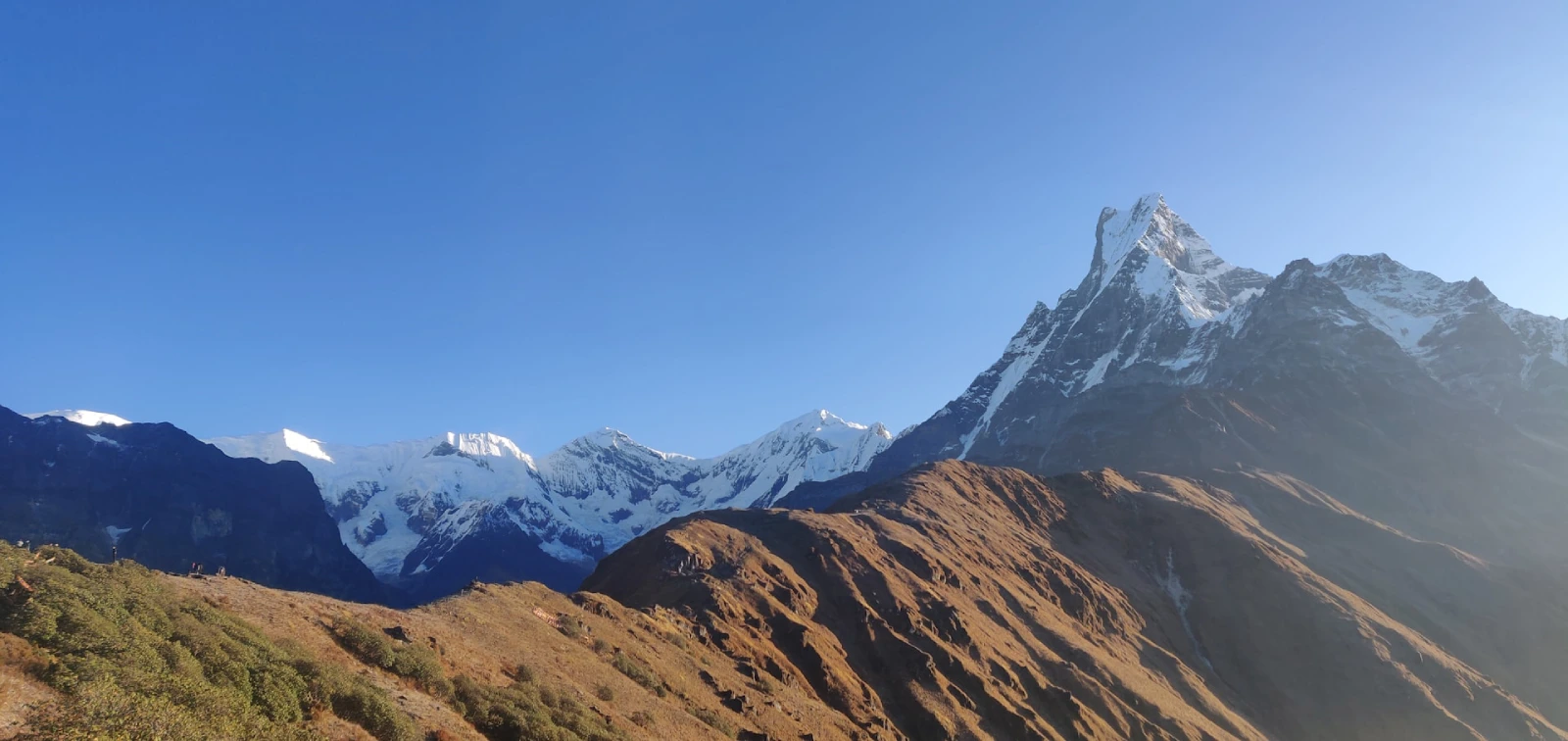
Mardi Himal Trek Difficulty: How Hard Is the Trek?
The Mardi Himal Trek difficulty is generally considered moderate, making it a good choice for beginners and experienced trekkers who have...
For Queries & Reservations
Travelling with us is flexible, freedom and fun.
We deliver exceptional products at a very good price for you, but not at the cost of the environment or our social responsibilities “travel Responsibly”