
Dhorpatan Valley : Complete Travel Guide to Nepal’s Only Hunting Reserve
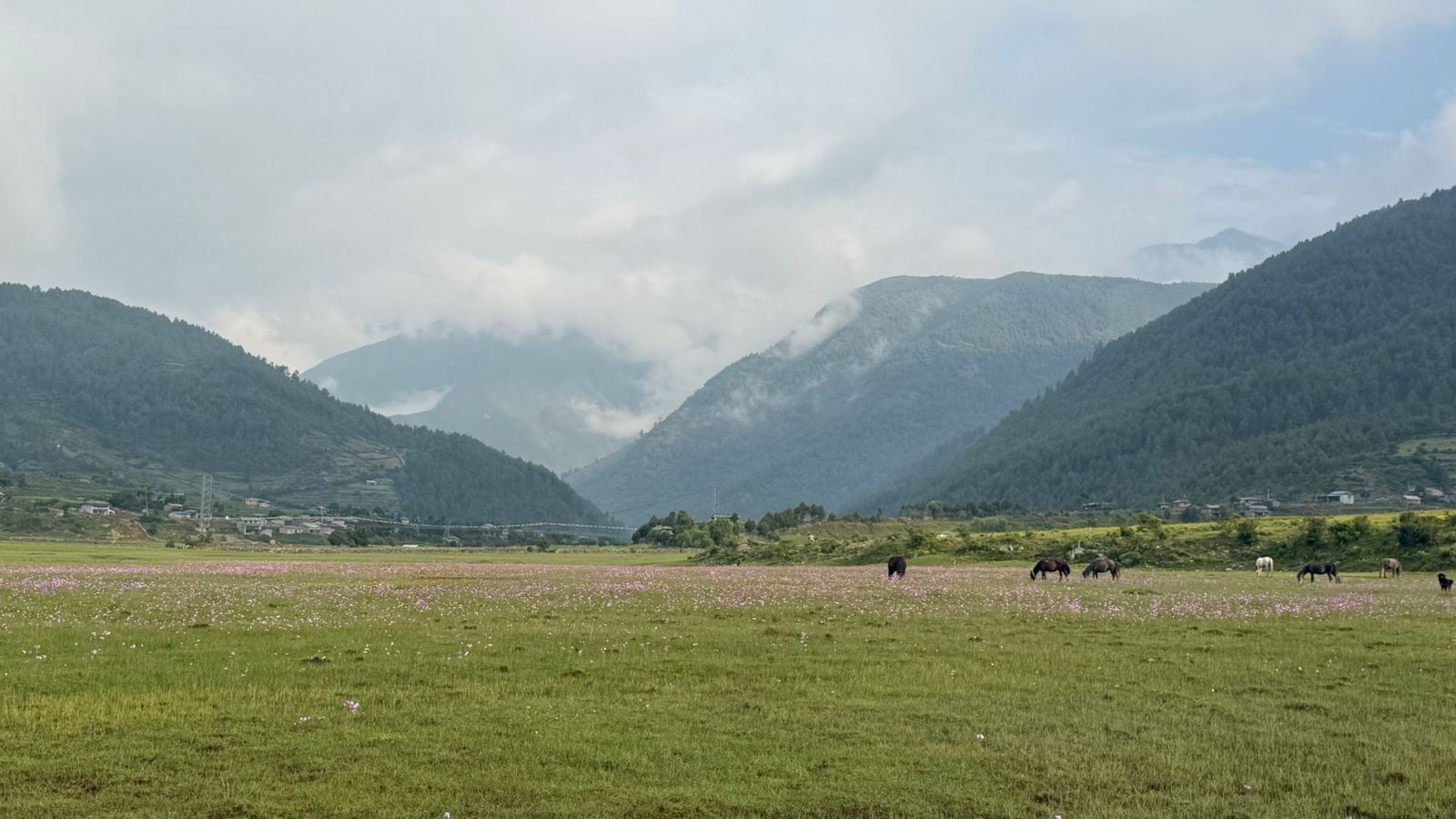
Dhorpatan Valley is a remote high-altitude valley in western Nepal, best known for being home to the Dhorpatan Hunting Reserve, Nepal’s only officially designated hunting reserve. Located across Baglung, Myagdi, and Rukum districts at elevations ranging from approximately 2,850 meters to over 7,000 meters, the reserve protects alpine meadows, dense rhododendron forests, rugged mountain terrain, and a remarkable variety of wildlife, including blue sheep, Himalayan tahr, musk deer, and the elusive snow leopard.
Beyond its wildlife, Dhorpatan offers an unforgettable travel experience with traditional Magar, Gurung, and Thakali villages, peaceful trekking trails, stunning Himalayan scenery, and a glimpse into one of Nepal’s least-explored regions. Whether you’re a wildlife enthusiast, trekker, photographer, or cultural traveler, Dhorpatan Valley provides an authentic Himalayan adventure far from the crowds.
What is Dhorpatan Valley?
Hidden in the rugged mountains of western Nepal, Dhorpatan Valley is one of the country’s most pristine and least-visited destinations. Unlike popular trekking regions such as Everest or Annapurna, Dhorpatan remains largely untouched by mass tourism, making it an excellent choice for travelers seeking solitude, authentic culture, and unspoiled Himalayan landscapes.
The valley is situated at an average elevation of around 3,900 meters (12,795 feet) and serves as the gateway to the Dhorpatan Hunting Reserve, Nepal’s only protected area where regulated trophy hunting is legally permitted under strict government supervision.
The reserve preserves extensive alpine and subalpine ecosystems while allowing carefully managed wildlife utilization through scientific population monitoring, hunting quotas, and habitat conservation programs. This balanced approach has helped protect important species and sustain the livelihoods of local mountain communities that have coexisted with these landscapes for generations.
Today, most visitors come to Dhorpatan not for hunting but for its spectacular scenery, wildlife watching, trekking opportunities, bird photography, and cultural experiences.
Where is Dhorpatan Valley Located?
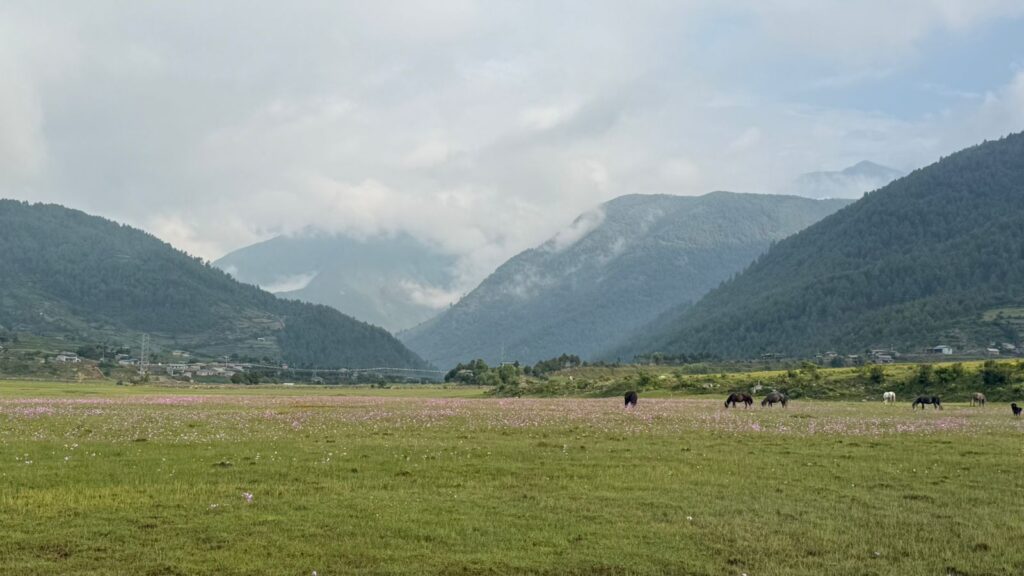
Dhorpatan Valley sits on the southern slopes of the mighty Dhaulagiri mountain range, one of the highest mountain systems in the world. Its diverse terrain includes rolling alpine grasslands, dense forests, river valleys, high ridges, and snow-covered peaks.
Dhorpatan Valley at a Glance
| Feature | Details |
| Location | Western Nepal |
| Elevation | Approximately 2,850 m – 7,000+ m |
| Valley Elevation | Around 3,900 m |
| Protected Area | Dhorpatan Hunting Reserve |
| Reserve Area | 1,325 km² |
| Established | 1983 |
| Officially Gazetted | 1987 |
| Districts Covered | Baglung, Myagdi, Rukum |
| Nearest Major City | Pokhara |
Although relatively close to Pokhara as the crow flies, reaching Dhorpatan requires a combination of flights and long overland travel, adding to its sense of remoteness and adventure.
Why is Dhorpatan Valley Famous?
Dhorpatan Valley is renowned for several unique reasons that set it apart from every other protected area in Nepal.
1. Nepal’s Only Hunting Reserve
The biggest distinction is that Dhorpatan is Nepal’s only officially designated hunting reserve.
Unlike national parks, where hunting is prohibited, Dhorpatan operates under a tightly regulated conservation model. Limited hunting permits are issued only after wildlife population surveys determine sustainable quotas. These permits are typically sought by international hunters pursuing species such as blue sheep and Himalayan tahr under strict government regulations.
Importantly, unauthorized hunting remains illegal, and the majority of visitors explore the reserve for trekking, photography, and wildlife observation.
2. Incredible Himalayan Wildlife
Dhorpatan is one of western Nepal’s richest wildlife habitats. Its diverse landscapes support a remarkable variety of mammals and birds that thrive across alpine meadows, dense forests, and rocky mountain slopes.
Wildlife enthusiasts may encounter:
- Blue sheep (Bharal)
- Himalayan tahr
- Musk deer
- Himalayan goral
- Himalayan black bear
- Wild boar
- Serow
- Snow leopard (rare)
- Red panda (rare)
- Numerous Himalayan birds
One of the reserve’s greatest conservation successes is maintaining a healthy population of blue sheep, the primary prey species for snow leopards and an important indicator of ecosystem health.
3. Spectacular Alpine Landscapes
The word “Patan” means open grassland in Nepali, and Dhorpatan lives up to its name with expansive alpine meadows stretching beneath towering Himalayan peaks.
Visitors are rewarded with:
- Endless mountain panoramas
- Crystal-clear rivers
- Rolling highland pastures
- Colorful rhododendron forests
- Snow-capped ridges
- Peaceful valleys untouched by mass tourism
During spring, blooming rhododendrons transform entire hillsides into vibrant shades of red, pink, and white, creating one of western Nepal’s most beautiful natural displays.
4. Authentic Mountain Culture
Dhorpatan is not only rich in natural beauty but also in cultural heritage. Several indigenous communities, including the Magar, Gurung, and Thakali people, have lived in and around the valley for centuries. Their traditional lifestyles remain closely connected to seasonal livestock grazing, agriculture, trade, and the surrounding forests.
Visitors can experience:
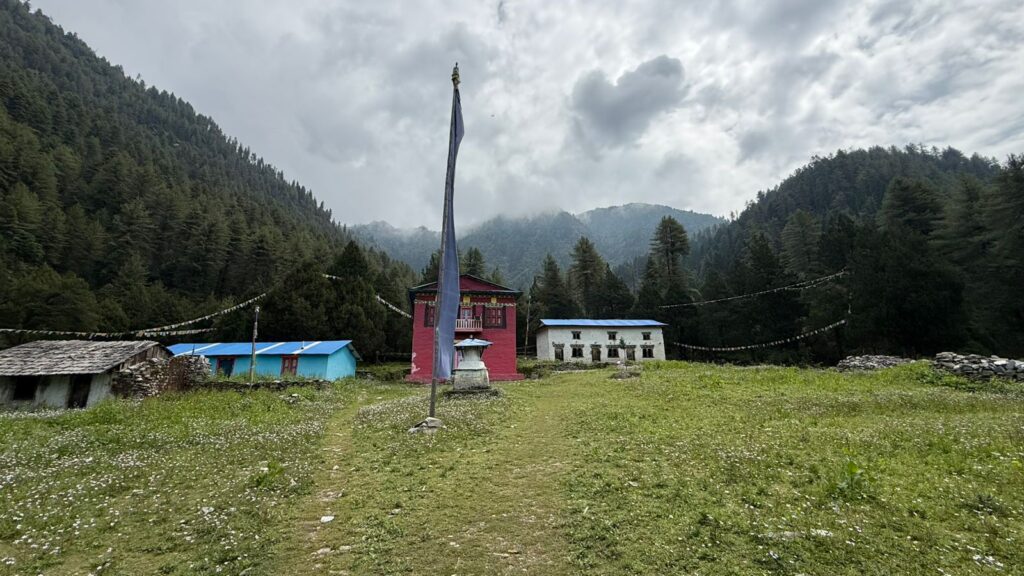
- Traditional stone villages
- Local festivals
- Buddhist and Hindu traditions
- Warm mountain hospitality
- Homemade local cuisine
- Community-run homestays and teahouses
This cultural authenticity makes Dhorpatan as rewarding for cultural travelers as it is for nature lovers.
History of Dhorpatan Hunting Reserve
The establishment of Dhorpatan Hunting Reserve reflects Nepal’s innovative approach to balancing conservation with sustainable resource use.
Before the reserve was created, uncontrolled hunting and increasing pressure on wildlife threatened several mountain species. To address these challenges, the Government of Nepal established the reserve in 1983, and it was officially gazetted in 1987.
Rather than banning all human activities, authorities adopted a multiple-use management model that recognizes both biodiversity conservation and the needs of local communities.
Today, the reserve is divided into six hunting management blocks, where wildlife populations are regularly monitored. Hunting permits are issued only after scientific assessments confirm that limited harvesting will not negatively impact species populations.
This regulated system generates conservation revenue while encouraging long-term protection of habitats and wildlife.
Equally important, local communities continue practicing traditional seasonal grazing and collecting limited forest resources under regulated management plans, ensuring that conservation benefits both nature and people.
Why Dhorpatan’s Conservation Model is Unique
Unlike many protected areas around the world, Dhorpatan demonstrates that carefully managed conservation can accommodate wildlife protection, local livelihoods, and sustainable tourism simultaneously.
Several features make the reserve unique:
- Scientific wildlife population monitoring
- Strict hunting quotas based on conservation data
- Community participation in resource management
- Seasonal livestock grazing under controlled regulations
- Protection of fragile alpine ecosystems
- Support for eco-tourism and trekking
This integrated approach has made Dhorpatan an important example of conservation management in the Himalayas.
Wildlife and Biodiversity of Dhorpatan Valley
One of the biggest reasons travelers visit Dhorpatan is its exceptional wildlife diversity. The reserve encompasses forests, alpine grasslands, steep cliffs, rivers, and snow-covered mountains, creating habitats for numerous Himalayan species.
Mammals Found in Dhorpatan Hunting Reserve
| Wildlife Species | Where You May See Them | Best Chance of Spotting |
| Blue Sheep (Bharal) | Alpine meadows and rocky slopes | Excellent |
| Himalayan Tahr | High cliffs and rocky terrain | Very Good |
| Himalayan Goral | Forest edges and steep hillsides | Good |
| Musk Deer | Dense forests | Moderate |
| Himalayan Black Bear | Temperate forests | Occasional |
| Wild Boar | Lower forests | Fair |
| Serow | Rocky forested slopes | Occasional |
| Red Panda | Temperate forests with bamboo | Rare |
| Snow Leopard | High alpine regions | Extremely Rare |
Among these species, the blue sheep is the undisputed icon of Dhorpatan. Large herds can often be seen grazing across open alpine meadows, particularly during the spring and autumn months. Their abundance supports predators such as the snow leopard, helping maintain a balanced mountain ecosystem.
The reserve is also a paradise for birdwatchers, with colorful pheasants, soaring eagles, Himalayan vultures, and numerous high-altitude bird species inhabiting its forests and cliffs.
Flora, Ecosystems, and Landscapes of Dhorpatan Valley
One of the defining features of Dhorpatan Valley is its remarkable ecological diversity. As the elevation rises from approximately 2,850 meters to over 7,000 meters, the landscape changes dramatically, creating a series of distinct ecosystems that support an impressive variety of plants and wildlife.
This changing environment makes Dhorpatan one of western Nepal’s most ecologically significant protected areas. Whether you’re trekking through dense forests or walking across open alpine meadows, every day reveals a different side of the Himalayas.
Vegetation Zones in Dhorpatan Hunting Reserve
| Elevation Zone | Dominant Vegetation | What You’ll Experience |
| 2,850–3,200 m | Oak, Pine, Hemlock | Mixed temperate forests, streams, villages |
| 3,200–3,800 m | Rhododendron, Fir, Birch | Dense mountain forests and colorful spring blooms |
| 3,800–4,500 m | Juniper, Alpine Shrubs | Open hillsides, grazing pastures, panoramic views |
| Above 4,500 m | Alpine Meadows and Rocky Terrain | High mountain landscapes, glaciers, and wildlife habitats |
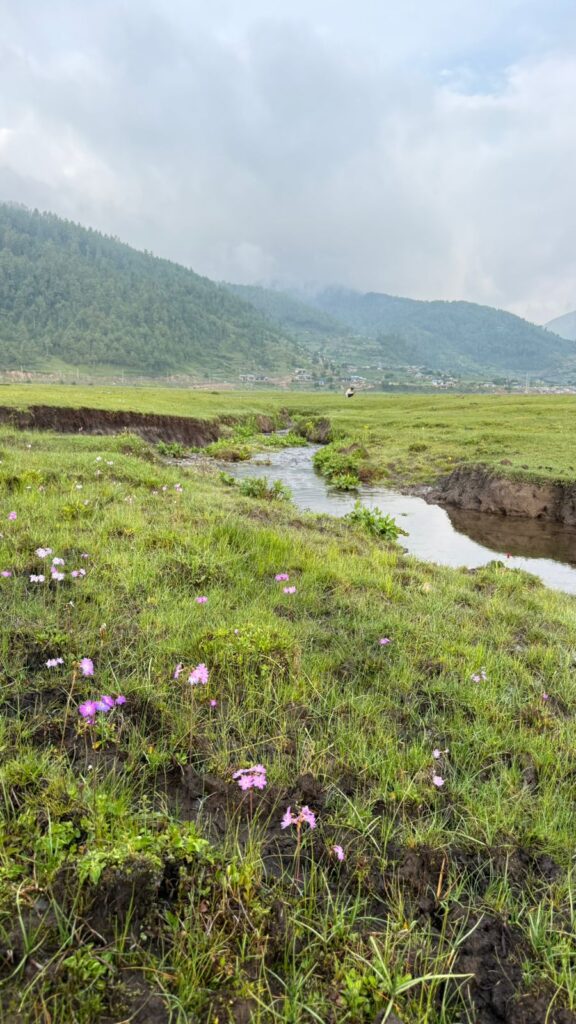
The reserve’s name reflects its landscape. In Nepali, “Patan” means an open grassland or alpine meadow, and these sweeping high-altitude pastures are among the valley’s most iconic features. During the warmer months, they are covered with wildflowers and serve as grazing grounds for blue sheep, Himalayan tahr, and domesticated livestock.
Climate and Weather
The weather in Dhorpatan varies significantly throughout the year because of its altitude.
Spring (March–April)
Spring offers mild daytime temperatures, blooming forests, and excellent mountain visibility. Wildlife becomes more active after winter, making it one of the best seasons for trekking and photography.
Average daytime temperature: 10°C–18°C
Summer and Monsoon (June–August)
Monsoon brings lush green landscapes but also heavy rainfall, muddy trails, swollen rivers, and an increased risk of landslides on access roads.
Although the valley looks vibrant during this season, travel can become unpredictable.
Autumn (September–November)
Autumn is widely regarded as the best season to visit Dhorpatan.
Clear skies, crisp mountain views, comfortable temperatures, and stable weather create ideal conditions for trekking, wildlife observation, and photography.
Winter (December–February)
Winter transforms the valley into a snow-covered wilderness.
Heavy snowfall often limits access to higher elevations, while temperatures can fall well below freezing during the night.
For experienced trekkers seeking solitude and dramatic winter landscapes, this season offers a unique adventure, although careful planning is essential.
Local Communities and Culture
Dhorpatan is not only a wildlife destination—it is also home to vibrant mountain communities whose traditions have shaped the valley for centuries.
The region is primarily inhabited by:
- Magar
- Gurung
- Thakali
These communities maintain lifestyles closely connected to agriculture, livestock herding, traditional trade, and mountain culture.
Unlike heavily commercialized trekking regions, villages around Dhorpatan have preserved much of their authenticity.
Visitors often find that interacting with local residents becomes one of the most memorable parts of the journey.
Traditional Lifestyle
Many families continue practicing transhumance, a seasonal movement of livestock between lower villages in winter and high alpine pastures during warmer months.
Each year, thousands of sheep, goats, cattle, and yaks graze in the reserve under regulated management, reflecting a centuries-old way of life that continues today.
Walking through these high pastures, travelers may encounter shepherds living in temporary stone shelters while tending their animals.
Festivals and Religious Heritage
The cultural landscape of Dhorpatan reflects both Hindu and Buddhist traditions.
One of the valley’s most significant pilgrimage sites is Dhorbaraha Temple, located near the Uttar Ganga River in the Fagune area.
Every year during Janai Purnima, thousands of pilgrims travel to the temple to participate in religious ceremonies, making it one of western Nepal’s most important spiritual gatherings.
Throughout the year, local communities celebrate traditional festivals featuring:
- Folk dances
- Traditional music
- Community feasts
- Religious ceremonies
- Seasonal celebrations
These events provide visitors with a deeper understanding of mountain life beyond trekking.
Local Cuisine
Food in Dhorpatan is simple, nutritious, and prepared using locally available ingredients.
Common dishes include:
- Dal Bhat (rice, lentils, vegetables)
- Buckwheat pancakes
- Dhido (traditional millet or buckwheat meal)
- Yak or goat meat (seasonally available)
- Homemade pickles
- Tibetan bread
- Butter tea
- Fresh dairy products
Most teahouses prepare meals fresh, and dining often becomes a chance to connect with local hosts.
Top Things to Do in Dhorpatan Valley
Whether you’re an adventurer, wildlife enthusiast, or cultural traveler, Dhorpatan offers experiences that go beyond traditional trekking.
1. Explore Nepal’s Only Hunting Reserve
The biggest attraction is exploring the country’s only hunting reserve.
Even if you have no interest in hunting, visiting the reserve provides a rare opportunity to learn how Nepal balances wildlife conservation, local livelihoods, and sustainable tourism through regulated management.
Guided walks often include visits to the reserve headquarters, wildlife viewpoints, and conservation areas.
2. Go Wildlife Watching
Dhorpatan is one of the best places in western Nepal to observe Himalayan wildlife in its natural habitat.
Early morning and late afternoon offer the highest chances of spotting:
- Blue sheep
- Himalayan tahr
- Musk deer
- Goral
- Himalayan black bear
- Various bird species
While sightings of snow leopards and red pandas are extremely rare, knowing they inhabit the surrounding mountains adds an extra sense of excitement to every trek.
3. Experience the Dhorpatan Trek
The Dhorpatan Trek is perfect for travelers seeking a quieter alternative to Nepal’s more famous trekking routes.
Unlike Everest Base Camp or the Annapurna Circuit, the trails here remain relatively uncrowded, allowing trekkers to enjoy peaceful forests, alpine meadows, and traditional villages without large groups.
Trek Difficulty
Moderate
The trek involves gradual altitude gain, several uphill sections, and daily walks ranging from 4 to 7 hours.
A reasonable level of fitness is recommended, but previous high-altitude trekking experience is not essential if the itinerary allows sufficient acclimatization.
4. Visit Bukipatan
Bukipatan is one of the highlights of the valley.
The trail passes through expansive alpine grasslands where blue sheep are frequently seen grazing against a backdrop of snow-covered peaks.
Many travelers consider this section one of the most scenic parts of the journey.
5. Birdwatching
Bird enthusiasts will appreciate Dhorpatan’s rich avian diversity.
Depending on the season, visitors may observe:
- Himalayan Monal (Danphe)
- Cheer Pheasant
- Lammergeier
- Himalayan Griffon Vulture
- Golden Eagle
- Various high-altitude songbirds
Spring and autumn provide the best birdwatching conditions.
6. Photography
Every season offers unique photographic opportunities.
Popular subjects include:
- Snow-capped Himalayan peaks
- Rhododendron forests
- Traditional mountain villages
- Wildlife
- Sunrise over alpine meadows
- Shepherds with grazing livestock
- Prayer flags and monasteries
The valley’s limited tourism means photographers often enjoy uninterrupted landscapes.
7. Discover Local Villages
Walking through villages allows visitors to experience everyday mountain life.
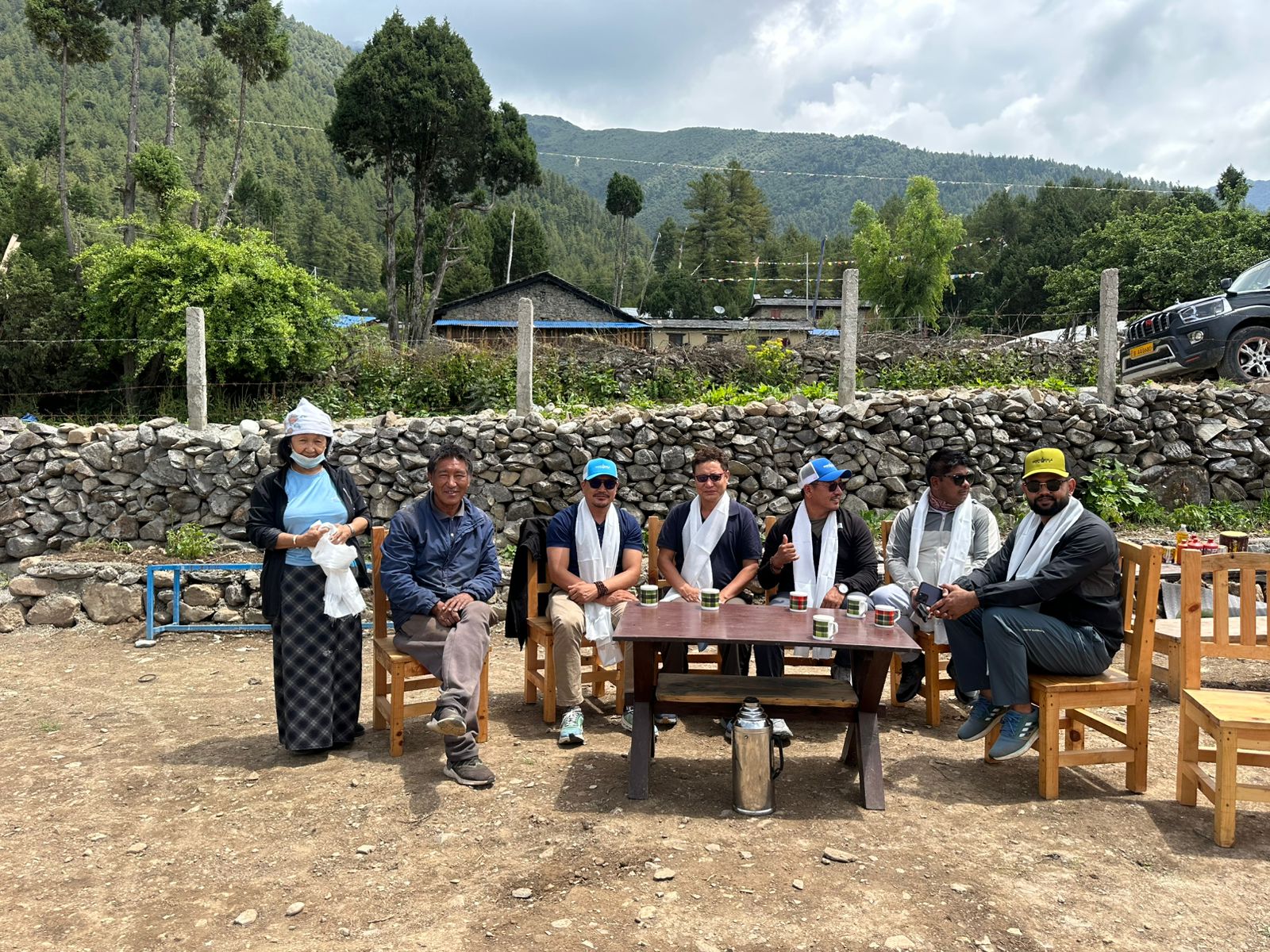
Many families welcome travelers into locally run teahouses or homestays, offering opportunities to learn about traditional farming, livestock management, handicrafts, and regional cuisine.
Supporting these community-based accommodations helps generate sustainable income for local residents.
Dhorpatan Valley Trek Guide
The Dhorpatan Trek combines adventure, wildlife, and cultural immersion, making it one of Nepal’s most rewarding off-the-beaten-path trekking experiences.
Trek Overview
| Feature | Details |
| Trek Duration | 6–10 days (depending on itinerary) |
| Difficulty | Moderate |
| Maximum Elevation | Around 4,000–4,500 meters on most trekking routes |
| Accommodation | Teahouses, lodges, homestays |
| Best Seasons | March–April and September–November |
| Suitable For | Nature lovers, wildlife enthusiasts, photographers, experienced beginners |
Unlike commercial trekking routes, facilities remain basic, making preparation especially important.
Who Should Visit Dhorpatan Valley?
Dhorpatan isn’t a destination for travelers seeking luxury resorts or bustling tourist towns. Instead, it appeals to those looking for authentic Himalayan experiences.
You’ll enjoy Dhorpatan if you are:
- A trekker looking for less-crowded trails.
- A wildlife enthusiast hoping to observe Himalayan species in their natural habitat.
- A photographer seeking dramatic mountain landscapes and authentic village life.
- A birder interested in high-altitude Himalayan birds.
- A cultural traveler wanting to experience Magar, Gurung, and Thakali traditions.
- An adventure traveler exploring destinations beyond Nepal’s classic trekking routes.
If your idea of travel includes peaceful trails, meaningful cultural encounters, and untouched wilderness, Dhorpatan Valley is likely to exceed your expectations.
Planning Your Trip to Dhorpatan Valley
Now that you know what makes Dhorpatan Valley unique, it’s time to plan your journey. Because of its remote location, traveling to Dhorpatan requires more preparation than visiting Nepal’s popular trekking destinations. However, the reward is an unforgettable experience in one of the country’s most pristine Himalayan landscapes.
This section covers how to reach Dhorpatan, accommodation options, permits, estimated travel costs, and a detailed 8-day itinerary to help you plan with confidence.
How to Reach Dhorpatan Valley
Although Dhorpatan feels isolated, it is accessible by a combination of flights and road travel. Most visitors begin their journey in Kathmandu before heading to Pokhara, the main gateway to western Nepal.
Route Comparison
| Route | Travel Time | Best For | Difficulty |
| Kathmandu → Pokhara (Flight) → Baglung → Burtibang → Dhorpatan | 1–2 days | Most travelers | ⭐⭐⭐⭐⭐ |
| Kathmandu → Baglung → Burtibang → Dhorpatan (Road) | 2–3 days | Budget travelers | ⭐⭐⭐ |
| Kathmandu → Tansen → Rukum → Dhorpatan | 3+ days | Adventure travelers | ⭐⭐ |
For most visitors, flying to Pokhara significantly reduces travel time and offers spectacular aerial views of the Himalayas.
Accommodation in Dhorpatan Valley
Unlike Everest or Annapurna, Dhorpatan does not have luxury resorts or large hotels.
Instead, accommodation focuses on authentic local hospitality.
Types of Accommodation
Local Teahouses
Most trekkers stay in family-run teahouses.
Expect:
- Clean private or twin rooms
- Shared bathrooms
- Home-cooked meals
- Warm hospitality
- Basic facilities
Electricity and Wi-Fi may be limited depending on the village.
Community Homestays
Several villages now offer homestay experiences where visitors stay with local families.
This is an excellent opportunity to experience:
- Traditional cooking
- Local customs
- Mountain farming life
- Cultural exchange
Choosing homestays also supports local tourism initiatives.
Lodges
Simple lodges are available in larger settlements such as Burtibang and parts of Dhorpatan.
Facilities may include:
- Attached bathrooms (limited)
- Hot showers (extra charge)
- Charging stations
- Dining rooms
- Basic internet access
Camping
For photographers, wildlife researchers, and adventure groups, camping provides maximum flexibility.
Professional trekking agencies can arrange:
- Tents
- Camping equipment
- Kitchen staff
- Guides
- Porters
Camping is particularly popular for exploring remote hunting blocks and alpine meadows.
Permits Required for Dhorpatan Valley
Many travelers wonder whether they need permits before entering the reserve.
The answer is yes.
1. Dhorpatan Hunting Reserve Entry Permit
All visitors entering the protected area require an entry permit.
The permit fee contributes to conservation efforts and reserve management.
2. TIMS Card
Depending on your trekking route and travel operator, you may also need a Trekkers’ Information Management System (TIMS) card.
TIMS helps authorities monitor trekkers and improve safety in remote regions.
3. Hunting Permits
If your visit involves legal trophy hunting, additional permits issued under Nepal’s wildlife regulations are required.
These permits are:
- Strictly regulated
- Limited by annual quotas
- Issued only through authorized agencies
- Based on scientific wildlife population surveys
General tourists do not need hunting permits.
Where Can You Get the Permits?
Most visitors arrange permits through:
- Licensed trekking agencies
- Tour operators
- The Department of National Parks and Wildlife Conservation (DNPWC)
Organizing permits before your trip helps avoid unnecessary delays.
8-Day Dhorpatan Valley Itinerary
This itinerary offers a comfortable pace that allows time for acclimatization, wildlife observation, and cultural experiences.
Day 1: Kathmandu to Pokhara
Begin your adventure with a scenic flight from Kathmandu to Pokhara. If you prefer, you can also travel by road, though it takes considerably longer.
After checking into your hotel, spend the afternoon exploring Lakeside, enjoying local restaurants, or taking a relaxing walk along Phewa Lake.
Overnight: Pokhara
Day 2: Explore Pokhara and Prepare for the Journey
Use this day to finalize permits, purchase any last-minute trekking supplies, and enjoy some of Pokhara’s attractions.
Popular places include Davis Falls, the International Mountain Museum, and the World Peace Pagoda.
Getting a good night’s rest before the long drive is highly recommended.
Overnight: Pokhara
Day 3: Pokhara to Dhorpatan
After breakfast, drive through Baglung and Burtibang before continuing toward Dhorpatan by four-wheel-drive jeep.
The route passes traditional villages, terraced hillsides, rivers, and forested valleys, offering a fascinating glimpse of rural western Nepal.
Although it’s a long travel day, the scenery makes the journey worthwhile.
Driving Time: Approximately 8–10 hours
Overnight: Dhorpatan
Day 4: Explore Dhorpatan Valley
Spend the day exploring the reserve headquarters, nearby villages, alpine meadows, and riverside trails.
This is an excellent opportunity to observe blue sheep, visit local communities, and learn about the reserve’s conservation efforts.
Photography enthusiasts should wake early for the best wildlife sightings.
Overnight: Dhorpatan
Day 5: Trek to Bukipatan
Today’s trek leads through expansive alpine grasslands, one of the reserve’s most scenic areas.
As you gain elevation, panoramic views of the surrounding Himalayan peaks unfold.
Blue sheep are frequently seen grazing in these open meadows.
The peaceful atmosphere and dramatic landscapes make this one of the highlights of the trip.
Walking Time: 4–5 hours
Overnight: Local teahouse or homestay
Day 6: Bukipatan – Tikadhara – Return to Dhorpatan
Continue exploring nearby ridges and high pastures before gradually returning toward Dhorpatan.
Along the way, you’ll pass seasonal grazing areas used by local shepherds and may encounter a variety of Himalayan birds.
This day offers excellent opportunities for landscape photography.
Walking Time: 5–6 hours
Overnight: Dhorpatan
Day 7: Drive Back to Pokhara
After breakfast, begin the return journey to Pokhara.
Although the drive is long, several viewpoints along the route provide excellent opportunities to appreciate western Nepal’s mountain scenery one last time.
Relax and enjoy a comfortable evening back in Pokhara.
Day 8: Return to Kathmandu
Conclude your journey with either a short flight or a scenic drive back to Kathmandu.
Depending on your schedule, you may choose to continue exploring Nepal or prepare for your international departure.
Health and Altitude Tips
Although Dhorpatan is less demanding than some high Himalayan expeditions, altitude should never be underestimated.
Common Altitude Symptoms
- Mild headache
- Fatigue
- Shortness of breath
- Difficulty sleeping
- Loss of appetite
These symptoms are common when ascending too quickly.
Tips for Staying Healthy
- Walk at a comfortable pace.
- Stay hydrated throughout the day.
- Avoid excessive alcohol.
- Eat regular meals.
- Dress in layers to stay warm.
- Get adequate rest.
If symptoms worsen, descend to a lower elevation and seek medical advice immediately.
Responsible Tourism in Dhorpatan Valley
Dhorpatan’s natural beauty has remained intact largely because visitor numbers are relatively low. Every traveler plays a role in preserving this fragile environment.
Follow Leave No Trace Principles
Carry all non-biodegradable waste back with you, including plastic bottles, food wrappers, and batteries. Use reusable water bottles and avoid single-use plastics whenever possible.
Respect Wildlife
Observe animals from a safe distance. Never attempt to feed or approach wildlife, as this can alter their natural behavior and create unnecessary stress.
Stay on Designated Trails
Walking off established trails can damage fragile alpine vegetation and increase soil erosion. Follow marked paths and your guide’s instructions.
Support Local Communities
Choose locally owned teahouses, homestays, guides, and transport providers. Buying local products and services helps ensure tourism benefits the communities that protect the region.
Respect Local Culture
Ask for permission before photographing people, religious ceremonies, or sacred sites. Dress modestly when visiting villages and temples, and be mindful of local customs and traditions.
Dhorpatan Valley vs. Other Remote Trekking Destinations
Choosing the right destination depends on your interests, trekking experience, and the type of adventure you’re seeking. Here’s how Dhorpatan compares with some of Nepal’s other remote regions.
| Destination | Best For | Difficulty | Crowds | Wildlife | Culture |
| Dhorpatan Valley | Wildlife, alpine meadows, authentic villages | Moderate | Very Low | Excellent | Excellent |
| Upper Dolpo | Remote wilderness, Tibetan culture | Challenging | Very Low | Good | Exceptional |
| Shey Phoksundo | Scenic lake, monasteries | Moderate–Challenging | Low | Good | Excellent |
| Manaslu Circuit | Mountain passes, classic trekking | Moderate–Challenging | Moderate | Good | Excellent |
| Annapurna Circuit | Diverse landscapes, accessibility | Moderate | High | Moderate | Excellent |
Expert Travel Tips
To make the most of your journey, keep these practical tips in mind:
- Travel during spring (March–April) or autumn (September–November) for the best weather and mountain views.
- Book flights to Pokhara early during peak trekking seasons.
- Carry enough cash, as there are no ATMs in the valley.
- Hire a licensed local guide to enhance safety and learn more about the area’s wildlife and culture.
- Start trekking early each morning to maximize wildlife viewing opportunities.
- Bring binoculars if you’re interested in birdwatching or observing animals from a distance.
- Purchase comprehensive travel insurance that covers high-altitude trekking and emergency evacuation.
- Be prepared for basic facilities—part of Dhorpatan’s charm is its remote, unspoiled nature.
Final Thoughts
Dhorpatan Valley is more than Nepal’s only hunting reserve—it’s a destination where nature, culture, and conservation coexist in remarkable harmony. From sweeping alpine meadows and diverse wildlife to welcoming mountain communities and peaceful trekking trails, the valley offers an experience that feels both adventurous and deeply authentic.
For travelers willing to venture beyond Nepal’s well-known trekking circuits, Dhorpatan rewards every step with untouched landscapes, meaningful cultural encounters, and a rare sense of solitude. Whether you’re photographing herds of blue sheep against snow-capped peaks, sharing tea with local families, or simply taking in the silence of the high Himalayas, you’ll discover a side of Nepal that remains wonderfully unspoiled.
As interest in sustainable and experience-driven travel continues to grow, Dhorpatan stands out as one of the country’s most compelling destinations. By traveling responsibly, supporting local communities, and respecting the reserve’s unique ecosystems, visitors can help ensure that this extraordinary Himalayan landscape remains protected for generations to come.
Frequently Asked Questions (FAQs)
1. Where is Dhorpatan Valley located?
Dhorpatan Valley lies in western Nepal, spanning the districts of Baglung, Myagdi, and Rukum on the southern slopes of the Dhaulagiri range.
2. Why is Dhorpatan famous?
It is famous for being home to Nepal’s only officially designated hunting reserve, along with its alpine landscapes, wildlife, and traditional mountain communities.
3. Is hunting allowed in Dhorpatan?
Yes, but only under a strictly regulated permit system managed by the Government of Nepal. General visitors cannot hunt without special authorization.
4. Is Dhorpatan worth visiting?
Absolutely. It is one of Nepal’s best destinations for travelers seeking off-the-beaten-path adventures, wildlife observation, and authentic Himalayan culture.
5. What is the best time to visit Dhorpatan?
Spring (March–April) and autumn (September–November) offer the best weather, clear mountain views, and ideal trekking conditions.
6. Do I need a guide?
While some experienced trekkers travel independently, hiring a licensed guide is highly recommended due to the area’s remoteness and limited infrastructure.
7. What wildlife can I see?
Visitors may encounter blue sheep, Himalayan tahr, musk deer, goral, serow, Himalayan black bear, and a variety of birds. Snow leopards and red pandas are present but rarely seen.
8. Can beginners visit Dhorpatan?
Yes. With a well-planned itinerary, proper acclimatization, and the support of a guide, beginners can enjoy the region safely.
9. Is camping allowed?
Yes. Camping is permitted in designated areas and is often arranged through licensed trekking agencies.
10. Is mobile network coverage available?
Mobile coverage is limited and may not be reliable throughout the valley. Internet access is available only in some villages.
11. What permits are required?
Visitors generally need a Dhorpatan Hunting Reserve entry permit. Depending on the trekking route, a TIMS card may also be required.
12. Is Dhorpatan suitable for wildlife photography?
Yes. The reserve offers excellent opportunities to photograph blue sheep, Himalayan birds, alpine landscapes, and traditional mountain life.
Related Blogs
Manaslu Circuit Trek Packing List: Complete Guide to What to Pack
The Manaslu Circuit Trek packing list should prepare you for everything from warm, humid valleys to cold, high-altitude mountain...
Best Time for Manaslu Circuit Trek: Weather & Monthly Guide
The best time for Manaslu Circuit Trek is generally during spring (March to May) and autumn (September to November)....
Mardi Himal Trek Solo A Complete Guide for Solo Travelers
The Mardi Himal Trek is one of the most beautiful short treks in Nepal. It takes you through green...
For Queries & Reservations
Travelling with us is flexible, freedom and fun.
We deliver exceptional products at a very good price for you, but not at the cost of the environment or our social responsibilities “travel Responsibly”