
Manaslu Tsum Valley Trek: Complete Guide to Nepal’s Hidden Himalayan Adventure
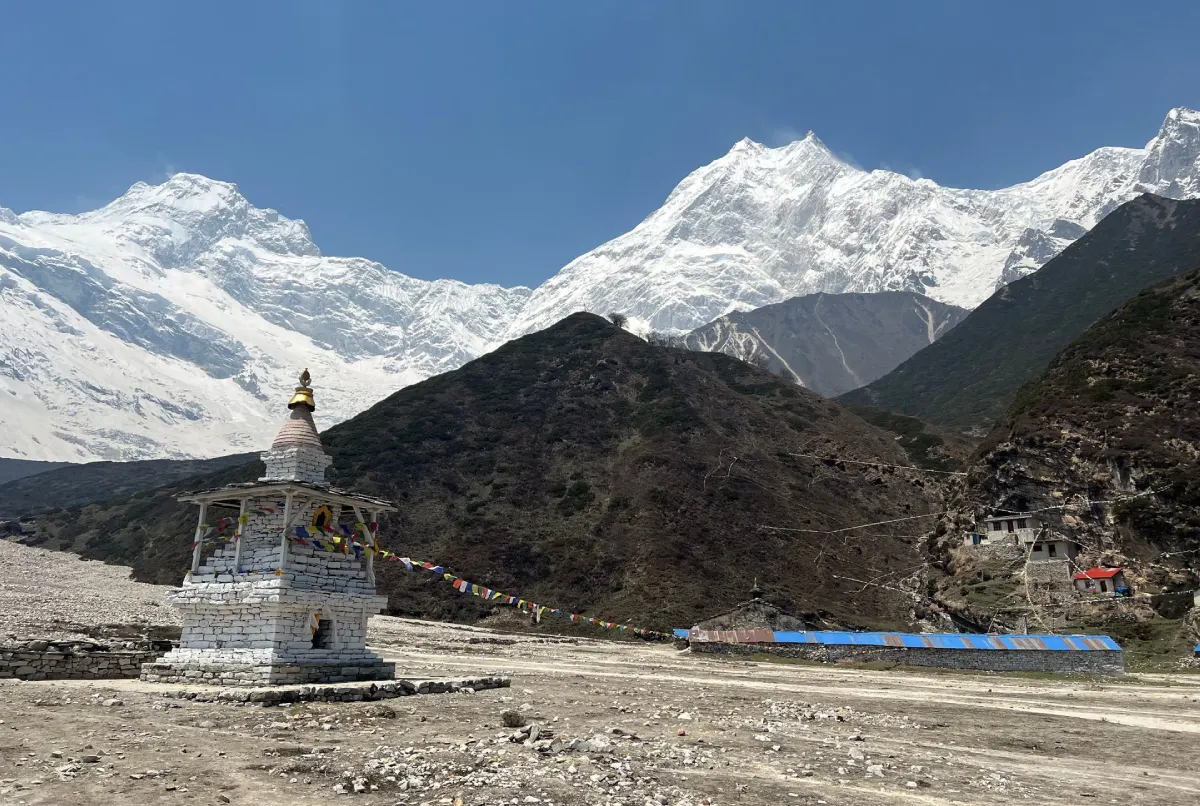
The Manaslu Tsum Valley Trek is one of Nepal’s most rewarding trekking adventures, combining the remote beauty of the Manaslu Circuit with the spiritual charm of the hidden Tsum Valley. Nestled in the northern Himalayas near the Tibetan border, this trek offers dramatic mountain scenery, ancient Buddhist monasteries, authentic Himalayan villages, and fewer crowds than Nepal’s more popular trekking routes.
Unlike the Everest Base Camp or Annapurna Circuit, the Manaslu and Tsum Valley Trek takes you into a region where Tibetan culture remains deeply preserved. Prayer wheels, mani walls, centuries-old gompas, and welcoming local communities create an unforgettable cultural experience, while snow-covered peaks, glacial rivers, and alpine forests provide breathtaking natural beauty.
Whether you’re an experienced trekker seeking a challenging adventure or a cultural traveler looking to explore one of Nepal’s sacred Himalayan valleys, this guide covers everything you need to know—from the itinerary and permits to costs, difficulty, and the best time to visit.
Manaslu Tsum Valley Trek
The Manaslu Tsum Valley Trek is a 20–22-day remote trekking route in north-central Nepal that combines the sacred Tsum Valley Trek with the famous Manaslu Circuit. The trek reaches its highest point at Larkya La Pass (5,106 m) and takes trekkers through traditional Tibetan Buddhist villages, ancient monasteries, lush forests, and high Himalayan landscapes. Since it passes through a restricted area, trekkers must obtain special permits and travel with a licensed guide.
What is the Manaslu Tsum Valley Trek?
The Manaslu Tsum Valley Trek combines the renowned Manaslu Circuit Trek with an unforgettable journey into the secluded Tsum Valley, one of Nepal’s most culturally significant Himalayan regions. Before continuing toward the Manaslu Circuit, trekkers leave the main trail at Lokpa to explore this sacred valley, celebrated for its centuries-old Tibetan Buddhist heritage, ancient monasteries, traditional villages, and breathtaking mountain scenery.
Most itineraries take 20 to 22 days, beginning with a drive from Kathmandu to Machha Khola. The trail follows the Budhi Gandaki River through lush forests, terraced farmlands, and picturesque Gurung villages before reaching Lokpa, where the route branches into Tsum Valley. After exploring its hidden settlements and sacred monasteries, trekkers return to Lokpa and continue along the Manaslu Circuit through Namrung, Lho, and Samagaon before crossing the spectacular Larkya La Pass (5,106 m).
The trek offers an exceptional blend of cultural immersion and high-altitude adventure, making it one of Nepal’s most rewarding and diverse trekking experiences.
Trek Overview
| Feature | Details |
| Duration | 20–22 Days |
| Highest Elevation | Larkya La Pass (5,106 m) |
| Maximum Sleeping Elevation | Dharmasala (4,460 m) |
| Difficulty | Moderate to Challenging |
| Accommodation | Tea Houses |
| Best Seasons | Spring (March–May) and Autumn (September–November) |
| Trek Region | Manaslu Conservation Area |
| Trek Type | Tea House Trek |
| Restricted Area | Yes (Special permits required) |
Where is Tsum Valley?
Tsum Valley is located in the northern part of Gorkha District in Gandaki Province, Nepal, within the Manaslu Conservation Area. Surrounded by the majestic Ganesh Himal, Shringi Himal, and Boudha Himal mountain ranges, the valley extends north toward the Tibetan border, creating one of Nepal’s most remote and culturally rich Himalayan landscapes.
For centuries, Tsum Valley remained isolated from the outside world. This natural isolation helped preserve its unique language, traditions, architecture, and centuries-old Tibetan Buddhist culture. Even today, local communities continue to practice ancient customs, celebrate traditional festivals, and maintain a lifestyle deeply rooted in Buddhist philosophy.
Recognizing its exceptional cultural heritage and fragile ecosystem, the Government of Nepal designated Tsum Valley as a restricted area. Special trekking permits are required to visit the region, a measure that helps protect its sacred monasteries, traditional villages, and pristine natural environment while promoting responsible and sustainable tourism.
Why the Manaslu Tsum Valley Trek is Unique
While many trekking routes in Nepal reward visitors with spectacular Himalayan scenery, the Manaslu Tsum Valley Trek stands out by combining dramatic mountain landscapes with rich cultural heritage, sacred Buddhist sites, and the tranquility of one of Nepal’s least-visited trekking regions. It offers an experience that goes far beyond reaching a mountain pass, allowing trekkers to connect with centuries-old traditions and remote Himalayan communities.
A Sacred Himalayan Valley
Tsum Valley is often referred to as the “Hidden Valley of Happiness.” Deeply rooted in Tibetan Buddhism, the valley has long been regarded as a sacred pilgrimage destination and has preserved its spiritual character thanks to its remote location.
According to local Buddhist tradition, Guru Rinpoche blessed the valley during his journey through the Himalayas. Today, ancient monasteries, meditation caves, and sacred sites continue to attract monks, pilgrims, and travelers seeking both cultural insight and spiritual inspiration.
Rich Tibetan Buddhist Culture
One of the trek’s greatest highlights is its vibrant and well-preserved Tibetan Buddhist heritage. As you walk through traditional villages, you’ll encounter cultural landmarks that reflect centuries of devotion, including:
- Colorful prayer flags fluttering across mountain passes
- Ancient mani walls carved with Buddhist mantras
- Prayer wheels spun by locals and pilgrims
- Traditional chortens (Buddhist stupas)
- Historic monasteries, including Mu Gompa and Rachen Gompa
- Monks and local residents carrying out daily religious rituals
Unlike many of Nepal’s busier trekking destinations, Tsum Valley has retained much of its traditional lifestyle, allowing visitors to experience authentic Himalayan culture in a peaceful and respectful setting.
Ancient Monasteries
One of the highlights of the Manaslu Tsum Valley Trek is the opportunity to visit ancient Buddhist monasteries that continue to serve as important spiritual and cultural centers. These sacred sites provide a deeper understanding of Himalayan Buddhism and the traditions that have shaped life in the valley for generations.
Mu Gompa
Situated at an elevation of approximately 3,700 meters, Mu Gompa is the largest and most significant monastery in Tsum Valley. Perched on a hillside overlooking the surrounding Himalayan peaks, the monastery is an important center for Buddhist study, meditation, and religious practice. Its peaceful setting and panoramic mountain views make it one of the trek’s most memorable destinations.
Rachen Gompa
Located near Chhule Village, Rachen Gompa is one of the valley’s most respected nunneries and is home to a community of Buddhist nuns. Surrounded by dramatic mountain scenery, the monastery offers visitors a serene atmosphere while showcasing the region’s enduring spiritual traditions.
Both monasteries remain active places of worship, where trekkers may observe monks and nuns performing daily prayers, chanting Buddhist scriptures, and participating in traditional religious ceremonies. Visiting these sacred sites offers a unique opportunity to experience the living spiritual heritage of Tsum Valley.
Less Crowded Trails
One of the biggest advantages of the Manaslu Tsum Valley Trek is its peaceful and uncrowded trails. Compared with popular routes like the Everest Base Camp Trek and the Annapurna Circuit Trek, this remote Himalayan journey attracts far fewer visitors, allowing trekkers to enjoy a more relaxed and immersive experience.
The quieter trails give you the opportunity to:
- Walk through pristine forests in complete tranquility
- Spend meaningful time interacting with local communities
- Experience authentic Himalayan village life and culture
- Capture stunning mountain landscapes without large crowds
- Appreciate the region’s natural beauty at your own pace
For travelers seeking solitude and a deeper connection with nature, this sense of isolation is one of the trek’s greatest attractions.
Incredible Mountain Scenery
The Manaslu Tsum Valley Trek rewards trekkers with spectacular Himalayan views throughout different stages of the journey. As you gain elevation, the scenery transforms dramatically, revealing towering snow-capped peaks and vast alpine landscapes.
Some of the most impressive mountains visible along the route include:
- Mount Manaslu (8,163 m)
- Ganesh Himal
- Himalchuli
- Ngadi Chuli (Peak 29)
- Shringi Himal
- Boudha Himal
The landscape gradually changes from lush subtropical forests and terraced hillsides to alpine meadows, glacial valleys, and rugged high-mountain terrain, creating constantly changing scenery throughout the trek.
Diverse Landscapes
Few trekking routes in Nepal offer such remarkable geographical diversity within a single journey. The trail passes through a wide range of ecosystems, making every day unique.
During the trek, you’ll experience:
- Terraced rice fields and traditional farming villages
- Dense bamboo forests
- Vibrant rhododendron woodlands
- Pine and fir forests
- Cascading waterfalls
- Deep river gorges carved by the Budhi Gandaki
- High-altitude alpine grasslands
- Glacial valleys
- Snow-covered mountain passes
This ever-changing landscape makes the Manaslu Tsum Valley Trek especially rewarding for photographers, nature enthusiasts, and anyone looking to experience the incredible diversity of Nepal’s Himalayan region.
Major Highlights of the Manaslu Tsum Valley Trek
Larkya La Pass (5,106 m)
Crossing Larkya La Pass is the trek’s ultimate adventure. The ascent begins before sunrise, rewarding trekkers with sweeping views of snow-covered peaks, glaciers, and rugged Himalayan landscapes.
It is considered one of Nepal’s most spectacular high mountain passes.
Mu Gompa
The isolated Mu Gompa sits near the Tibetan border and provides an unforgettable cultural experience. The peaceful monastery, dramatic surroundings, and spiritual atmosphere make it one of the trek’s defining highlights.
Rachen Gompa
Visitors often describe Rachen Gompa as one of the most tranquil places in Nepal. The monastery offers insight into the daily lives of Buddhist nuns while surrounded by majestic Himalayan scenery.
Chumling Village
Chumling is one of the first traditional villages in Tsum Valley. Stone houses, terraced fields, and friendly locals create a warm welcome for trekkers entering the sacred valley.
Chhokang Paro
This picturesque settlement offers panoramic views of Ganesh Himal and provides an excellent opportunity to observe traditional Himalayan life.
Nile Village
One of the northernmost settlements in Nepal before reaching Tibet, Nile Village reflects centuries of Tibetan cultural influence.
Samagaon
After rejoining the Manaslu Circuit, Samagaon serves as an important acclimatization stop. Visitors often explore nearby Birendra Lake or hike toward Manaslu Base Camp.
Suspension Bridges
The route crosses numerous suspension bridges spanning deep Himalayan gorges, adding excitement and unforgettable viewpoints to the journey.
Himalayan Wildlife
Nature enthusiasts may encounter:
- Himalayan Tahr
- Blue Sheep
- Musk Deer
- Himalayan Monal
- Griffon Vultures
- Snow Leopard (rare)
The Manaslu Conservation Area supports remarkable biodiversity thanks to its varied ecosystems.
Authentic Tea House Experience at Manaslu Tsum Valley Trek
One of the most rewarding aspects of the Manaslu Tsum Valley Trek is the opportunity to stay in traditional, family-run tea houses. Unlike the more commercialized trekking routes in Nepal, accommodation along this trail remains simple, welcoming, and deeply connected to local culture.
During your stay, you can enjoy:
- Freshly prepared home-cooked Nepali meals
- Warm hospitality from local families
- Traditional Himalayan village architecture
- Meaningful interactions with residents and fellow trekkers
- Cozy evenings spent around a communal dining room, often warmed by a wood-burning stove
While the facilities are basic, the genuine hospitality and authentic cultural experiences often become some of the most memorable highlights of the journey, giving trekkers a deeper appreciation of life in Nepal’s remote Himalayan villages.
Why Choose the Manaslu Tsum Valley Trek?
If you’re looking for more than just mountain views, this trek delivers an exceptional blend of adventure, spirituality, and cultural immersion. From sacred monasteries and traditional villages to dramatic Himalayan passes and untouched wilderness, every stage of the journey offers something unique.
It is an ideal choice for travelers who want to experience a quieter side of Nepal while exploring one of the country’s most culturally significant and scenically diverse trekking regions.
How Difficult is the Manaslu Tsum Valley Trek?
The Manaslu Tsum Valley Trek is generally rated as moderate to challenging. Although the trail does not require technical climbing or mountaineering skills, its long duration, high altitude, and remote location make it physically demanding. The trek is best suited to people with a good level of fitness, while previous multi-day hiking or trekking experience is an advantage.
Factors That Increase the Difficulty
Several factors contribute to the challenge of this trek:
- A journey lasting 20–22 days
- Daily hikes of 6–8 hours, with some longer days
- High-altitude trekking, including crossing Larkya La Pass (5,106 m)
- Long ascents and descents over varied terrain
- Remote villages with limited facilities
- Simple tea house accommodation
- Changing mountain weather and colder temperatures at higher elevations
For most trekkers, altitude is the greatest challenge. Walking at elevations above 3,000 meters requires a slower pace, proper acclimatization, and careful attention to hydration and rest.
Recommended Fitness Level
To enjoy the trek safely and comfortably, you should be able to:
- Walk 15–20 km per day on uneven mountain trails
- Climb stairs and steep hills without excessive difficulty
- Carry a light daypack for several hours
- Hike continuously for 6–8 hours with regular breaks
Preparing for the trek with at least two months of training is strongly recommended. Regular cardiovascular exercise, strength training, and practice hikes on hilly terrain can significantly improve your endurance and increase your chances of having a safe and enjoyable trekking experience.
Best Time for Manaslu Tsum Valley Trek
The best time for the Manaslu Tsum Valley Trek is during spring (March to May) and autumn (September to November). These seasons offer stable weather, clear mountain views, comfortable trekking conditions, and the safest opportunities to cross Larkya La Pass (5,106 m).
Spring (March–May)
Spring is one of the most rewarding seasons for trekking in the Manaslu region. Warmer temperatures, longer daylight hours, and blooming forests create ideal conditions for both trekking and photography.
Highlights
- Colorful rhododendron forests in full bloom
- Stable weather with minimal rainfall
- Comfortable daytime temperatures
- Excellent visibility of the Himalayan peaks
- Ideal conditions for wildlife and nature photography
Autumn (September–November)
Autumn is the most popular trekking season thanks to its dry weather and crystal-clear mountain views. After the summer monsoon, the air is fresh and the landscapes are particularly vibrant.
Advantages
- Clear skies and outstanding mountain panoramas
- Dry, well-maintained trekking trails
- Pleasant daytime temperatures
- Excellent conditions for crossing Larkya La Pass
- Opportunity to experience major Nepalese festivals, such as Dashain and Tihar
Winter (December–February)
Winter offers peaceful trails, fewer trekkers, and spectacular snow-covered scenery. However, temperatures can drop well below freezing at higher elevations, and heavy snowfall may make Larkya La Pass difficult or temporarily inaccessible.
This season is best suited for experienced trekkers with proper winter clothing, equipment, and a flexible itinerary.
Monsoon (June–August)
The monsoon season is generally considered the least favorable time for the Manaslu Tsum Valley Trek. Heavy rainfall can make trails muddy and slippery, while landslides and swollen rivers may disrupt travel.
Although the surrounding hills become lush and green, limited mountain visibility and unpredictable weather make trekking more challenging during this period.
Travel Tip: Weather in the Himalayas can change rapidly at any time of year. Always check the latest trail and pass conditions before your trek and allow flexibility in your itinerary.
Manaslu Tsum Valley Trek Cost
The total cost depends on group size, services, and trekking style.
| Expense | Estimated Cost (USD) |
| Permits | $170–250 |
| Guide | $30–40/day |
| Porter | $20–30/day |
| Accommodation | $8–15/night |
| Meals | $25–40/day |
| Transportation | $40–80 |
| Travel Insurance | Varies |
| Equipment Rental | $50–150 |
Estimated Total Budget
- Budget Trek: $1,200–1,500
- Standard Package: $1,600–2,000
- Premium Package: $2,200+
Permits Required
Since the trek passes through restricted areas, several permits are mandatory.
You will need:
- Restricted Area Permit (RAP)
- Manaslu Conservation Area Permit (MCAP)
- Annapurna Conservation Area Permit (ACAP)
A licensed guide is mandatory, and independent trekking is not permitted in the restricted section.
Accommodation and Food
Accommodation consists mainly of traditional tea houses.
Typical Facilities
- Twin-sharing rooms
- Shared bathrooms
- Dining hall with heating
- Limited electricity
- Hot showers (extra charge)
Popular Meals
- Dal Bhat
- Fried rice
- Tibetan bread
- Noodles
- Pancakes
- Soup
- Momos
- Eggs
- Tea and coffee
Food becomes more expensive at higher elevations due to transportation costs.
Altitude Sickness and Safety
The highest point of the trek exceeds 5,000 meters, making altitude awareness essential.
Common Symptoms
- Headache
- Nausea
- Loss of appetite
- Fatigue
- Dizziness
- Difficulty sleeping
Prevention Tips
- Ascend gradually
- Stay hydrated
- Avoid alcohol
- Eat nutritious meals
- Follow acclimatization schedules
- Inform your guide if symptoms appear
Never ignore signs of Acute Mountain Sickness (AMS).
Packing List
Clothing
- Waterproof jacket
- Down jacket
- Base layers
- Fleece
- Trekking pants
- Thermal underwear
- Gloves
- Warm hat
- Sun hat
Footwear
- Waterproof trekking boots
- Camp shoes
- Trekking socks
Equipment
- Sleeping bag
- Trekking poles
- Backpack
- Headlamp
- Water bottles
- Water purification tablets
Personal Items
- Sunscreen
- Lip balm
- Sunglasses
- Power bank
- Toiletries
- First aid kit
Wildlife and Nature
The Manaslu Tsum Valley Trek passes through the Manaslu Conservation Area, one of Nepal’s most biologically diverse protected regions. As you ascend from subtropical valleys to the high Himalayas, you’ll experience a remarkable variety of ecosystems, each supporting unique wildlife and plant species.
Wildlife that may be spotted along the trail includes:
- Himalayan Tahr
- Blue Sheep
- Musk Deer
- Himalayan Monal (Nepal’s national bird)
- Himalayan Griffon Vulture
- Snow Leopard (extremely rare)
The scenery changes dramatically with elevation, taking trekkers through lush subtropical forests, bamboo groves, rhododendron woodlands, alpine meadows, glacial valleys, and rugged mountain landscapes. This rich ecological diversity makes the trek especially rewarding for nature lovers, birdwatchers, and wildlife enthusiasts.
Cultural Experience
One of the defining features of the Manaslu Tsum Valley Trek is the opportunity to experience the living culture of Tsum Valley, one of Nepal’s most culturally significant Himalayan regions. Influenced by centuries of Tibetan Buddhist tradition, the valley offers a rare insight into a way of life that has been carefully preserved across generations.
Along the route, visitors can experience:
- Tibetan Buddhist traditions and spiritual practices
- Daily prayer ceremonies in active monasteries
- Ancient monasteries and sacred pilgrimage sites
- Traditional stone-built Himalayan villages
- Yak and livestock farming in high-altitude settlements
- Local festivals and religious celebrations
- Mani walls carved with Buddhist mantras
- Colorful prayer flags and chortens lining the trails
Many communities continue to follow customs that have been passed down through generations, giving trekkers an authentic glimpse into the cultural heritage and everyday life of Nepal’s remote Himalayan villages.
Manaslu Tsum Valley Trek vs. Manaslu Circuit Trek
| Feature | Manaslu Tsum Valley Trek | Manaslu Circuit Trek |
| Duration | 20–22 Days | 14–16 Days |
| Difficulty | Challenging | Moderate–Challenging |
| Cultural Experience | Excellent | Very Good |
| Remote Wilderness | Outstanding | Excellent |
| Monasteries | More | Fewer |
| Cost | Higher | Lower |
| Crowds | Very Low | Low |
| Adventure Level | Exceptional | Excellent |
Final Thoughts
The Manaslu Tsum Valley Trek is much more than a mountain adventure. It is a journey into one of Nepal’s most secluded and culturally rich Himalayan regions, where ancient monasteries, traditional Tibetan villages, and breathtaking alpine landscapes come together to create an unforgettable trekking experience.
If you are looking for a quieter alternative to Nepal’s busier trekking routes, this trek offers exceptional value. The combination of the sacred Tsum Valley and the dramatic Manaslu Circuit provides a perfect balance of adventure, cultural immersion, and natural beauty. From crossing the spectacular Larkya La Pass to visiting centuries-old monasteries like Mu Gompa and Rachen Gompa, every day reveals a new perspective on the Himalayas.
With careful preparation, the right permits, and a licensed guide, the Manaslu Tsum Valley Trek can become one of the most memorable journeys of your lifetime. Whether your goal is to challenge yourself physically, experience authentic Himalayan culture, or explore Nepal beyond the popular trails, this remarkable trek deserves a place at the top of your adventure list.
Frequently Asked Questions (FAQs)
What is the Manaslu Tsum Valley Trek?
The Manaslu Tsum Valley Trek is a 20–22-day Himalayan trekking adventure that combines the sacred Tsum Valley with the renowned Manaslu Circuit. The trek offers spectacular mountain scenery, rich Tibetan Buddhist culture, ancient monasteries, and remote Himalayan villages within the Manaslu Conservation Area.
How difficult is the Manaslu Tsum Valley Trek?
The trek is moderately difficult to challenging due to its long duration, high altitude, daily hiking distances, and remote mountain terrain. Good physical fitness is essential, while previous multi-day trekking experience is helpful but not mandatory.
What is the highest point of the trek?
The highest point is Larkya La Pass (5,106 meters / 16,752 feet), one of Nepal’s most spectacular high mountain passes.
When is the best time to do the Manaslu Tsum Valley Trek?
The best seasons are spring (March to May) and autumn (September to November), when the weather is generally stable, mountain views are clear, and trekking conditions are at their best.
Do I need a guide for the Manaslu Tsum Valley Trek?
Yes. A licensed trekking guide is mandatory because the route passes through a restricted area. Trekkers must also obtain the required permits and travel through a registered trekking agency.
How much does the Manaslu Tsum Valley Trek cost?
Most guided trekking packages cost between USD 1,200 and USD 2,000 per person, depending on the itinerary, group size, accommodation, permits, transportation, and services included.
Are tea houses available along the route?
Yes. Family-run tea houses are available throughout most of the trek, providing basic accommodation, freshly prepared meals, and a warm, welcoming atmosphere.
Can beginners do the Manaslu Tsum Valley Trek?
Yes. Fit beginners can complete the trek with proper physical preparation, a gradual pace, and an experienced guide. However, previous multi-day hiking or trekking experience can make the journey more enjoyable.
Is altitude sickness common?
Altitude sickness can occur above 3,500 meters, especially if you ascend too quickly. Following a well-planned itinerary with adequate acclimatization, staying hydrated, and recognizing early symptoms significantly reduces the risk.
Is Wi-Fi available during the trek?
Some villages offer paid Wi-Fi or mobile data services, but connections are often slow, weather-dependent, and unavailable in more remote sections of the trail. It’s best to prepare for limited internet access during the trek.
Related Blogs
Manaslu Circuit Trek Packing List: Complete Guide to What to Pack
The Manaslu Circuit Trek packing list should prepare you for everything from warm, humid valleys to cold, high-altitude mountain...
Best Time for Manaslu Circuit Trek: Weather & Monthly Guide
The best time for Manaslu Circuit Trek is generally during spring (March to May) and autumn (September to November)....
Mardi Himal Trek Solo A Complete Guide for Solo Travelers
The Mardi Himal Trek is one of the most beautiful short treks in Nepal. It takes you through green...
For Queries & Reservations
Travelling with us is flexible, freedom and fun.
We deliver exceptional products at a very good price for you, but not at the cost of the environment or our social responsibilities “travel Responsibly”