

Lapchi Kang Trek: Complete Guide to Nepal’s Sacred Himalayan Pilgrimage
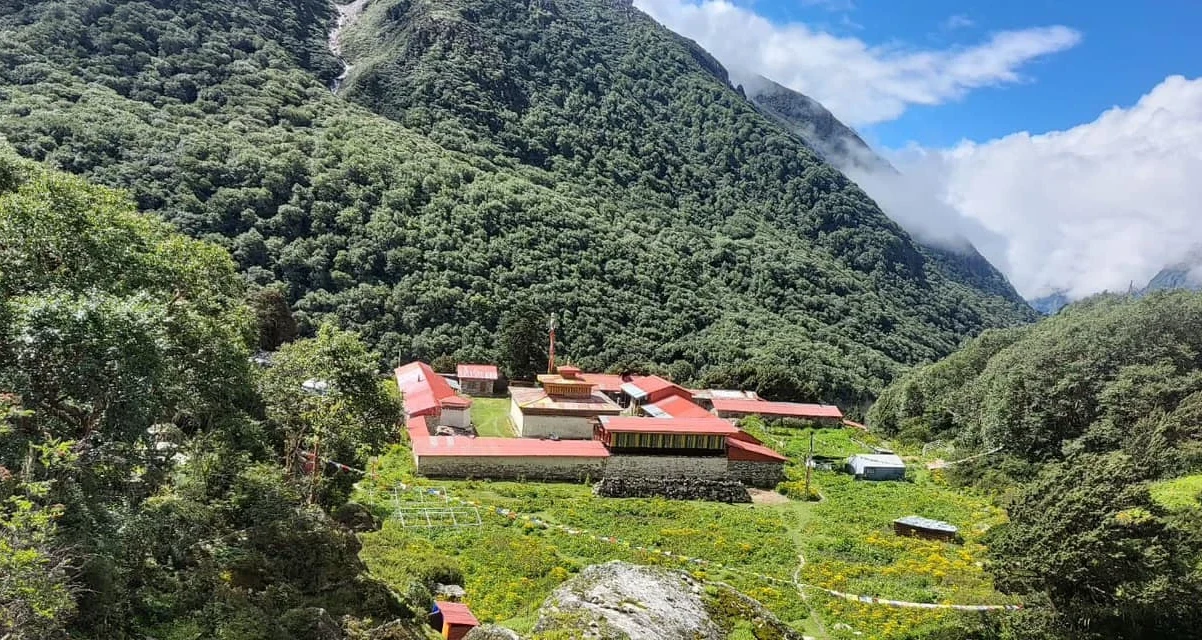
The Lapchi Kang Trek is one of Nepal’s most spiritual and least-explored trekking adventures. Hidden in the remote mountains of eastern Nepal near the Tibetan border, Lapchi offers a unique blend of breathtaking Himalayan scenery, ancient Buddhist heritage, and profound spiritual significance. Unlike the crowded trails of Everest and Annapurna, the Lapchi Kang Trek takes travelers into a sacred valley revered by Tibetan Buddhists for centuries.
The region is famous as the meditation site of the legendary Buddhist yogi Milarepa, making it an important pilgrimage destination for devotees and spiritual seekers. Along the journey, trekkers pass through pristine forests, traditional mountain villages, sacred monasteries, and rugged alpine landscapes while experiencing the peaceful atmosphere of one of Nepal’s hidden gems.
Whether you are a trekker seeking solitude, a pilgrim searching for spiritual enlightenment, or an adventurer eager to discover remote Himalayan landscapes, the Lapchi Kang Trek offers an unforgettable experience.
What is the Lapchi Kang Trek
The Lapchi Kang Trek is a remote and spiritually significant trekking route located in the sacred Lapchi Valley of Dolakha District in northeastern Nepal. Situated near the Nepal-Tibet border, the region is renowned for its strong connection to Tibetan Buddhism and the legendary yogi Milarepa, who is believed to have meditated in the caves of Lapchi centuries ago.
The trek typically takes between 7 and 12 days and combines breathtaking Himalayan scenery with rich cultural and religious experiences. Unlike Nepal’s more popular trekking routes, Lapchi remains largely untouched by mass tourism, offering peaceful trails, pristine forests, ancient monasteries, and authentic mountain villages.
This unique journey attracts trekkers, pilgrims, and spiritual seekers looking to explore one of Nepal’s most sacred and hidden Himalayan destinations.
Quick Facts About Lapchi Kang Trek
| Details | Information |
| Region | Dolakha District, Nepal |
| Trek Duration | 7–12 Days |
| Maximum Altitude | Approximately 4,500 meters |
| Difficulty | Moderate to Challenging |
| Best Seasons | Spring and Autumn |
| Major Attraction | Milarepa Cave |
| Trek Type | Spiritual and Cultural Trek |
Why is Lapchi Kang Famous?
Lapchi Kang is famous for its spiritual importance, breathtaking Himalayan scenery, and strong connection to Tibetan Buddhist traditions. Hidden in the remote mountains of northeastern Nepal, the region attracts not only trekkers and nature lovers but also pilgrims and meditation practitioners seeking a deeper spiritual experience. The combination of sacred sites, untouched wilderness, and rich cultural heritage makes Lapchi one of Nepal’s most unique trekking destinations.
The Sacred Land of Milarepa
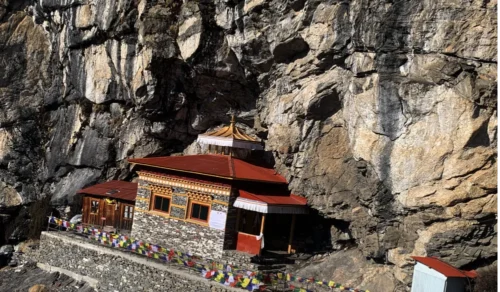
One of the main reasons the Lapchi Kang Pilgrimage Tour is renowned is its association with Milarepa, one of the most revered saints and meditation masters in Tibetan Buddhism. According to Buddhist traditions, Milarepa spent several years meditating in the caves of Lapchi, seeking enlightenment in the solitude of the Himalayas. His teachings and spiritual legacy continue to inspire thousands of devotees who visit the region each year. The famous Milarepa Cave remains a major pilgrimage site and serves as a symbol of spiritual devotion and perseverance.
Important Buddhist Pilgrimage Site
Lapchi has been a sacred pilgrimage destination for centuries. Buddhist practitioners from Nepal, Tibet, Bhutan, and other Himalayan regions travel to Lapchi to perform religious rituals, meditation retreats, and spiritual practices. The valley is dotted with ancient monasteries, prayer flags, chortens, and sacred caves that create a deeply spiritual atmosphere. Many pilgrims believe that visiting Lapchi brings blessings, inner peace, and spiritual merit.
Untouched Himalayan Wilderness
Beyond its religious significance, Lapchi Kang is celebrated for its pristine natural beauty. Unlike popular trekking routes such as Everest Base Camp or Annapurna Base Camp, Lapchi remains largely unexplored and free from large tourist crowds. Trekkers can enjoy peaceful trails, dense forests, alpine meadows, cascading waterfalls, and stunning views of snow-capped Himalayan peaks. This combination of spiritual heritage and untouched wilderness makes the Lapchi Kang Trek a truly extraordinary journey in Nepal.
Major Highlights of the Lapchi Kang Trek
The Lapchi Kang Trek offers a unique combination of natural beauty, cultural richness, and spiritual significance. Unlike Nepal’s more commercial trekking routes, this hidden Himalayan journey provides an opportunity to explore remote landscapes while experiencing the deep Buddhist heritage of the region. Every day on the trail presents new discoveries, from sacred pilgrimage sites to breathtaking mountain panoramas.
Visit the Sacred Milarepa Cave
The Milarepa Cave Trek is the most significant attraction. According to Buddhist tradition, the great Tibetan saint Milarepa meditated here for many years. Pilgrims and spiritual seekers visit the cave to pay their respects and experience its peaceful atmosphere.
Explore Ancient Buddhist Monasteries
The trek passes through several monasteries, hermitages, and sacred sites where monks continue centuries-old meditation and prayer practices. These monasteries offer fascinating insights into Tibetan Buddhist culture and traditions.
Experience Authentic Himalayan Culture
Trekkers have the opportunity to interact with local communities that have preserved their traditional way of life for generations. Visitors can learn about local customs, religious practices, and the unique culture of the Himalayan people.
Enjoy Spectacular Mountain Views
The trail rewards trekkers with magnificent views of snow-capped peaks, rugged valleys, alpine meadows, waterfalls, and pristine forests. The untouched beauty of the region creates countless opportunities for photography and sightseeing.
Discover Remote Wilderness
Lapchi remains one of Nepal’s least-visited trekking destinations. Its peaceful trails, unspoiled nature, and lack of crowds provide a true sense of adventure, solitude, and connection with the Himalayas.
Lapchi Kang Trek Route Overview
Most Lapchi Kang trekking itineraries begin in Kathmandu and travel east toward Dolakha.
Kathmandu to Dolakha
The journey starts with a scenic drive from Kathmandu through picturesque hills, rivers, and traditional villages.
Trek Through Remote Valleys
After reaching the trailhead, trekkers follow ancient pilgrimage paths through forests, rivers, suspension bridges, and mountain settlements.
Sacred Pilgrimage Sites
As the trail ascends, visitors encounter sacred caves, prayer flags, stupas, chortens, and monasteries that reflect the region’s spiritual heritage.
Return Journey
After exploring Lapchi Valley and its holy sites, trekkers retrace their route back to the starting point before returning to Kathmandu.
Best Time for Lapchi Kang Trek
Choosing the right season significantly improves your trekking experience.
Spring (March to May)
Spring offers stable weather, blooming rhododendron forests, and clear mountain views. Temperatures remain comfortable, making it one of the best seasons for trekking.
Autumn (September to November)
Autumn provides excellent visibility, dry trails, and pleasant temperatures. Many trekkers consider this the ideal season for the Lapchi Kang Trek.
Winter (December to February)
Winter brings colder temperatures and occasional snowfall. While the trails remain quieter, trekkers should prepare for harsh conditions.
Monsoon (June to August)
Heavy rainfall can make trails slippery and challenging. However, the landscape becomes lush and green during this period.
Recommended Season
Spring and autumn remain the best times to undertake the Lapchi Kang Trek due to favorable weather and excellent trekking conditions.
Lapchi Kang Trek Difficulty
Many travelers ask whether the Lapchi Kang Trek is difficult.
The trek falls into the moderate-to-challenging category. While it does not require technical climbing skills, trekkers must be physically fit and prepared for long walking days.
Factors Affecting Difficulty
- High-altitude trekking
- Steep ascents and descents
- Remote terrain
- Basic accommodation facilities
- Variable weather conditions
Is It Suitable for Beginners?
Beginners with good fitness levels and previous hiking experience can complete the trek successfully. Proper preparation and acclimatization increase safety and enjoyment.
Altitude and Acclimatization
Altitude plays an important role during the Lapchi Kang Trek.
Maximum Elevation
Most itineraries reach elevations between 4,000 and 4,500 meters.
Preventing Altitude Sickness
Trekkers can reduce risks by:
- Ascending gradually
- Drinking sufficient water
- Avoiding alcohol
- Taking rest days when necessary
- Listening to their bodies
Common Symptoms
Watch for headaches, dizziness, nausea, and fatigue, which may indicate altitude-related issues.
Permits Required for Lapchi Kang Trek
Before starting the Lapchi Kang Trek, trekkers must obtain the necessary permits and comply with current trekking regulations. Permit requirements may vary depending on government policies and the specific route taken.
TIMS Card
A Trekkers’ Information Management System (TIMS) card may be required for the trek. The TIMS card helps authorities monitor trekkers’ movements and enhances safety in remote mountain regions.
Local Entry Permits
Certain sections of the Lapchi region may require additional local permits issued by local authorities or conservation offices. These permits support regional tourism management and conservation efforts.
Guide Requirements
Trekking regulations in Nepal can change periodically. Since Lapchi is a remote area near the Nepal-Tibet border, travelers should consult a licensed trekking agency to ensure they have the latest permit information and guide requirements before departure.
Lapchi Kang Trek Cost
The cost of the Lapchi Kang Trek varies depending on services, group size, and itinerary length.
Budget Trek
Budget trekkers may spend between USD 500 and USD 800.
Standard Guided Trek
Most guided packages range between USD 900 and USD 1,500.
Luxury Arrangements
Private transportation, customized itineraries, and premium services increase overall costs.
Cost Factors
- Permits
- Transportation
- Guide and porter fees
- Accommodation
- Meals
- Group size
Accommodation and Food
Accommodation along the Lapchi Kang Trek remains basic but comfortable.
Teahouses
Most trekkers stay in local teahouses that provide simple rooms and warm hospitality.
Monastery Guesthouses
Some pilgrims choose monastery accommodations for a deeper spiritual experience.
Food Options
Common meals include:
- Dal Bhat
- Noodles
- Fried rice
- Tibetan bread
- Soups
- Tea and coffee
Drinking Water
Trekkers should carry purification tablets or water filters to ensure safe drinking water.
How to Reach the Lapchi Kang Trek Starting Point
Reaching the starting point of the Lapchi Kang Trek involves a combination of road travel and trekking through remote Himalayan terrain. Most trekkers begin their journey from Kathmandu and travel east toward Dolakha District, where the trekking route starts.
By Road
The journey begins with a drive from Kathmandu to Dolakha. Travelers can choose between private vehicles, jeeps, or local buses. Private transportation is generally more comfortable and flexible, especially for trekking groups. Along the way, you will pass through scenic hills, rivers, terraced farmlands, and traditional villages, offering a glimpse of rural Nepal.
Transportation Time
The drive from Kathmandu to the trek’s access point usually takes 7 to 10 hours, depending on road conditions, weather, and the specific starting location of your itinerary. Some sections of the road can be rough, particularly during the monsoon season.
Trek Access
After reaching the road head, the trekking adventure begins. The trail follows traditional mountain paths through forests, suspension bridges, rivers, and remote settlements before entering the sacred Lapchi Valley. Since the area is relatively isolated, hiring a local guide is highly recommended for navigation, safety, and a deeper understanding of the region’s cultural and spiritual significance.
Flora and Fauna of Lapchi Valley
The Lapchi region supports diverse ecosystems and wildlife.
Vegetation
The area features:
- Rhododendron forests
- Pine forests
- Juniper shrubs
- Alpine meadows
Wildlife
Visitors may encounter:
- Himalayan Thar
- Musk Deer
- Langur Monkeys
- Himalayan Birds
- Various alpine species
The valley’s ecological richness adds another dimension to the trekking experience.
Cultural and Spiritual Experiences
One of the most rewarding aspects of the Lapchi Kang Trek is the opportunity to experience the rich spiritual and cultural heritage of the Himalayas. The region has long been an important center for Tibetan Buddhism and continues to attract pilgrims, monks, and spiritual seekers from across the Himalayan region.
Monastery Visits
Along the trekking route, visitors can explore ancient monasteries and hermitages where monks practice daily prayers, meditation, and traditional Buddhist rituals. These sacred places offer valuable insight into the region’s religious traditions and way of life.
Local Communities
The people living in the Lapchi region have preserved their cultural identity for generations. Trekkers can interact with local families, learn about their customs, and gain a deeper understanding of Himalayan mountain life.
Prayer Flags and Sacred Sites
Colorful prayer flags, mani walls, chortens, stupas, and sacred caves can be found throughout the valley. These spiritual landmarks create a peaceful atmosphere and reflect the area’s deep religious significance.
Meditation Opportunities
The tranquil environment of Lapchi makes it an ideal destination for meditation, self-reflection, and mindfulness. Many visitors find the serene surroundings perfect for reconnecting with nature and inner peace.
Essential Packing List for Lapchi Kang Trek
Packing appropriately ensures comfort and safety.
Clothing
- Moisture-wicking base layers
- Insulated jacket
- Waterproof jacket
- Trekking pants
- Warm hat and gloves
Footwear
- Sturdy trekking boots
- Comfortable camp shoes
- Wool socks
Trekking Gear
- Backpack
- Trekking poles
- Sleeping bag
- Headlamp
Health and Safety Items
- First-aid kit
- Water purification tablets
- Sunscreen
- Sunglasses
- Personal medications
Travel Tips for a Successful Lapchi Kang Trek
- Train physically before the trek.
- Hire experienced local guides.
- Respect local customs and religious practices.
- Carry enough cash for remote areas.
- Prepare for limited internet and phone connectivity.
- Travel with appropriate insurance.
- Stay hydrated throughout the journey.
- Allow sufficient time for acclimatization.
Conclusion
The Lapchi Kang Trek offers far more than a traditional trekking adventure. It combines breathtaking Himalayan landscapes, rich Buddhist heritage, remote wilderness, and profound spiritual significance into one unforgettable journey. From the sacred Milarepa Cave to the serene monasteries hidden within Lapchi Valley, every step reveals a deeper connection between nature, culture, and spirituality.
For travelers seeking an authentic Himalayan pilgrimage away from crowded trekking routes, the Lapchi Kang Trek stands as one of Nepal’s most rewarding and meaningful experiences. Whether your goal is adventure, meditation, cultural exploration, or personal reflection, this sacred Himalayan journey will leave a lasting impression long after you return home.
Lapchi Kang Trek vs Other Spiritual Treks in Nepal
Lapchi Kang Trek vs Kailash Mansarovar Yatra
Lapchi offers a similar spiritual atmosphere but requires less international travel and lower overall costs.
Lapchi Kang Trek vs Tsum Valley Trek
Tsum Valley provides stronger cultural immersion, while Lapchi emphasizes pilgrimage and meditation sites.
Lapchi Kang Trek vs Helambu Trek
Helambu offers easier access and lower altitudes, whereas Lapchi provides greater remoteness and spiritual significance.
Frequently Asked Questions
How difficult is the Lapchi Kang Trek ?
The trek is moderately challenging and suitable for fit trekkers with some hiking experience.
What is the best time for the Lapchi Kang Trek ?
Spring (March–May) and autumn (September–November) offer the best weather conditions.
How many days are required?
Most itineraries range from 7 to 12 days.
Do I need a guide?
Although independent travel may be possible under certain regulations, hiring a guide improves safety and enriches the experience.
What makes Lapchi special?
Its association with Milarepa, sacred Buddhist sites, remote wilderness, and peaceful spiritual atmosphere make it unique.
Related Blogs
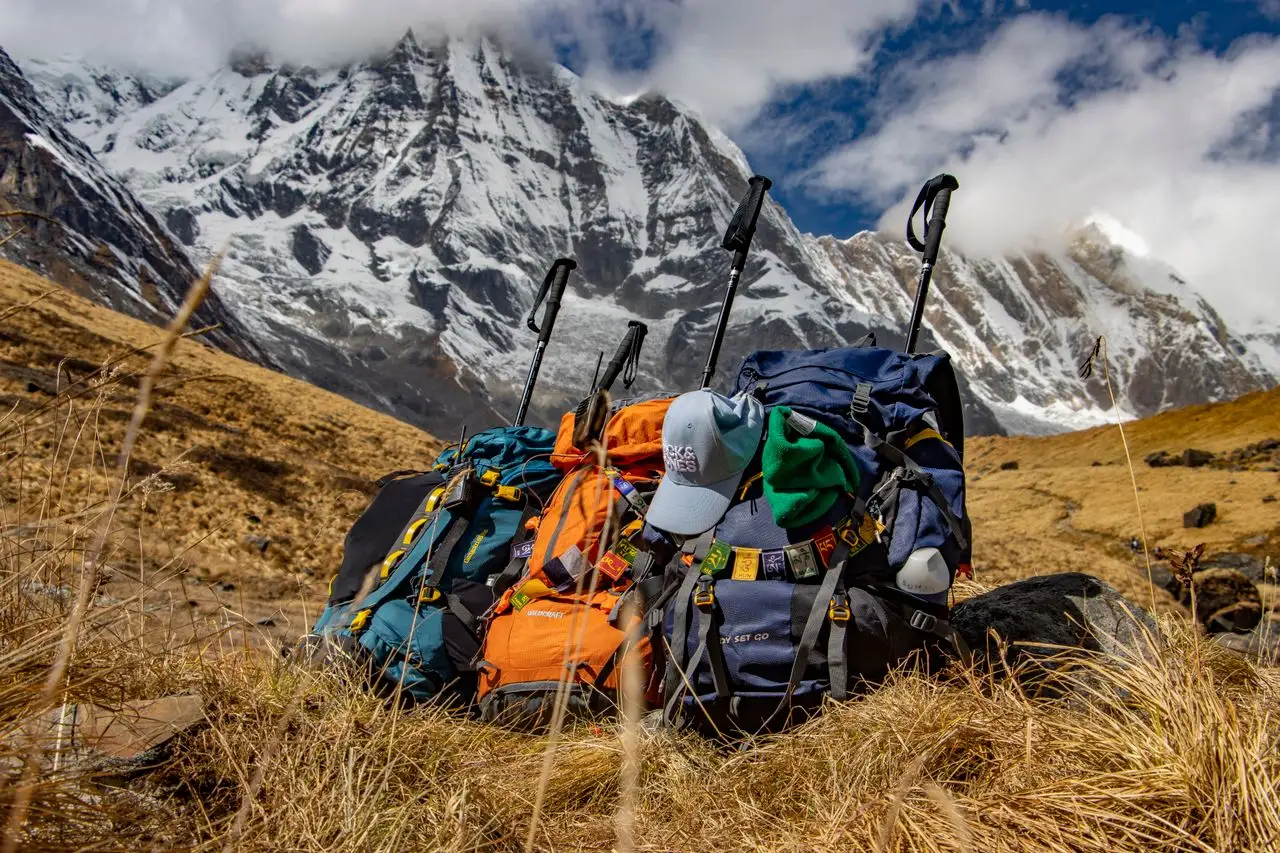
Manaslu Circuit Trek Packing List: Complete Guide to What to Pack
The Manaslu Circuit Trek packing list should prepare you for everything from warm, humid valleys to cold, high-altitude mountain...
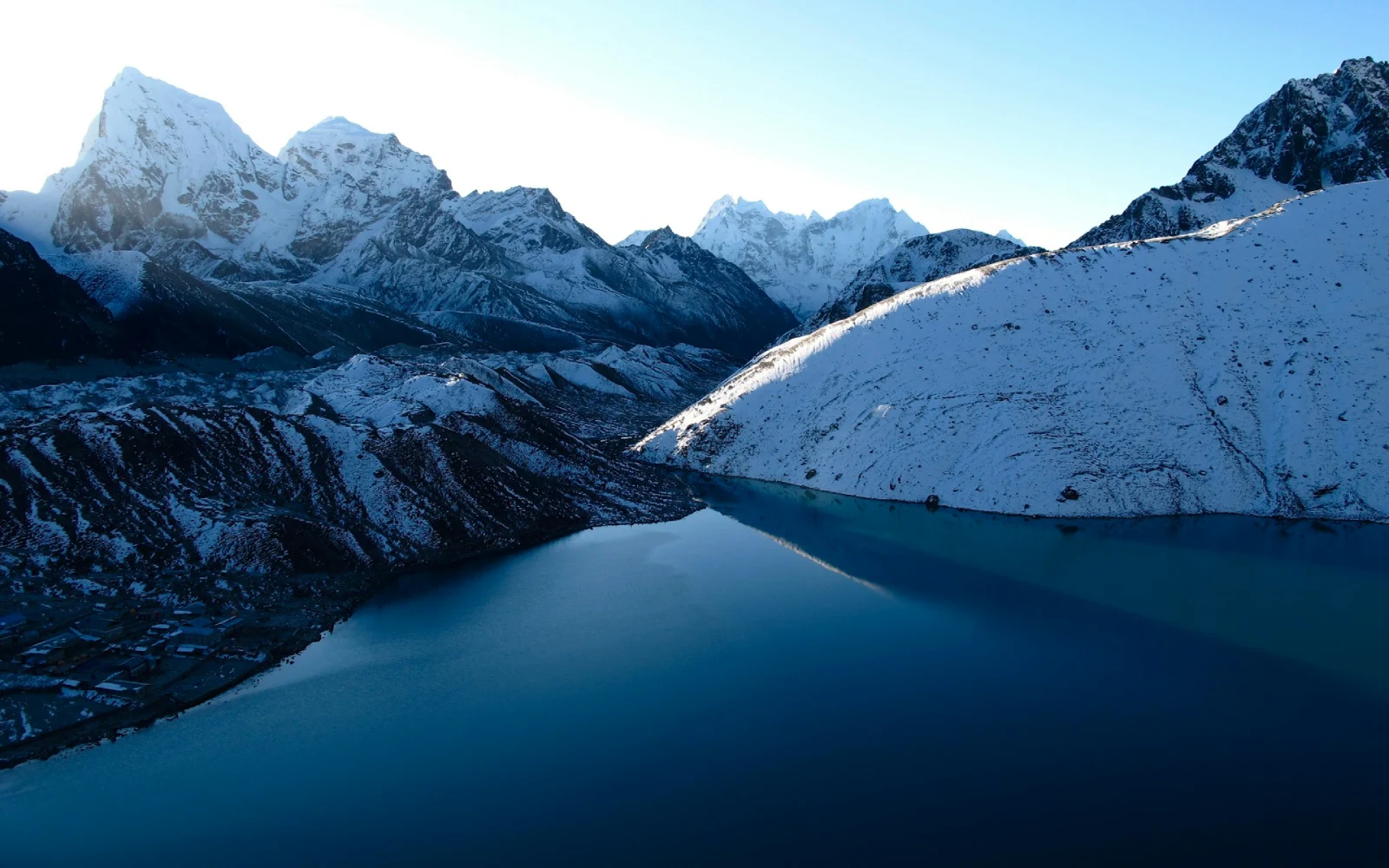
Best Time for Manaslu Circuit Trek: Weather & Monthly Guide
The best time for Manaslu Circuit Trek is generally during spring (March to May) and autumn (September to November)....
Mardi Himal Trek Solo A Complete Guide for Solo Travelers
The Mardi Himal Trek is one of the most beautiful short treks in Nepal. It takes you through green...
For Queries & Reservations
Travelling with us is flexible, freedom and fun.
We deliver exceptional products at a very good price for you, but not at the cost of the environment or our social responsibilities “travel Responsibly”