

Pikey Peak Trek Difficulty: Is It Easy or Challenging for Beginners?
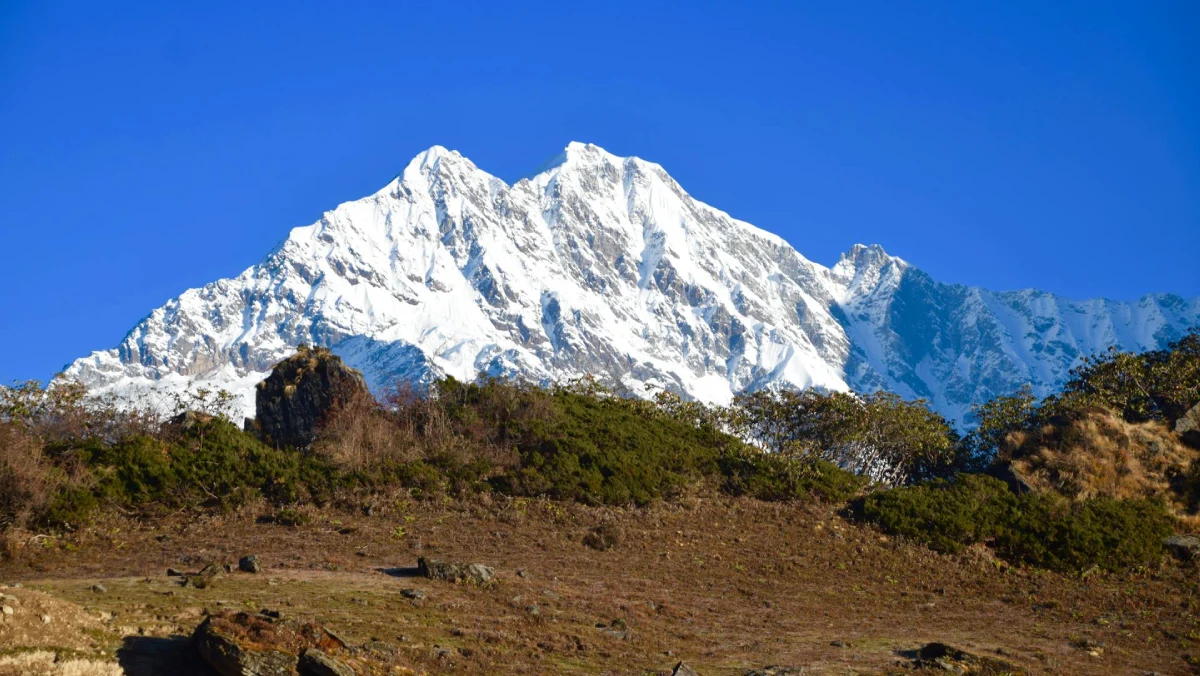
Dreaming of trekking in the Everest region but worried about difficult trails and extreme altitude? The Pikey Peak Trek could be the perfect Himalayan adventure for you.
Known for its breathtaking sunrise views over Mount Everest, peaceful mountain trails, and authentic Sherpa culture, the Pikey Peak Trek has become one of the best short treks in Nepal. Unlike the crowded Everest Base Camp route, this hidden gem in the lower Everest region offers stunning Himalayan scenery without demanding weeks of strenuous trekking.
Still, many travelers ask the same question: How difficult is the Pikey Peak Trek?
The good news is that the Pikey Peak Trek is considered a moderate trek and is suitable for beginners with average fitness. Although the trail includes steep uphill sections, long walking days, and high-altitude hiking, it is significantly easier than challenging Himalayan treks like Everest Base Camp or the Annapurna Circuit.
In this complete guide, you will learn everything about Pikey Peak Trek difficulty, including altitude challenges, trail conditions, fitness requirements, acclimatization tips, seasonal conditions, and preparation advice for first-time trekkers.
Pikey Peak Trek Difficulty?
The Pikey Peak Trek is generally rated as a moderate Himalayan trek. It is not a technical climb, and trekkers do not need mountaineering skills or specialized equipment.
Most trekkers complete the journey within 5 to 8 days, depending on the itinerary and starting point. The route passes through beautiful rhododendron forests, traditional Sherpa villages, Buddhist monasteries, alpine ridges, and scenic mountain landscapes before reaching the summit of Pikey Peak at 4,065 meters.
Compared to other popular trekking routes in Nepal, Pikey Peak is considered one of the best beginner-friendly treks in the Everest region because of its:
- Short trekking duration
- Moderate altitude
- Comfortable teahouse accommodations
- Less crowded trails
- Gradual ascent profile
- Incredible Everest views
However, beginners should not underestimate the trek. The combination of altitude, steep climbs, cold temperatures, and multiple walking days can still feel challenging without proper preparation.
Main Factors That Affect Pikey Peak Trek Difficulty
Altitude and Acclimatization
Altitude is one of the biggest factors that influence the difficulty of the Pikey Peak Trek.
The highest point of the trek is: 4065 m
At this elevation, oxygen levels become lower than at sea level, and some trekkers may experience mild symptoms of altitude sickness.
Common symptoms include:
- Headache
- Dizziness
- Fatigue
- Nausea
- Loss of appetite
- Difficulty sleeping
Although the risk is lower compared to Everest Base Camp Trek, proper acclimatization is still important. Walking slowly, staying hydrated, and gaining altitude gradually help the body adjust naturally.
Many trekkers find the early morning summit climb slightly more demanding because of the cold weather and thinner air. However, the unforgettable sunrise over Everest makes the effort worthwhile.
Daily Walking Hours
The Pikey Peak Trek involves several consecutive days of hiking through mountain terrain.
Trekkers usually walk:
- 5 to 7 hours per day
- On both uphill and downhill trails
- Across uneven mountain paths
While the distances are manageable, continuous ascents and descents can become tiring for inexperienced hikers.
The summit day is often the most physically demanding part of the journey. Trekkers wake up before sunrise and hike uphill in cold temperatures to witness panoramic views of the Himalayas.
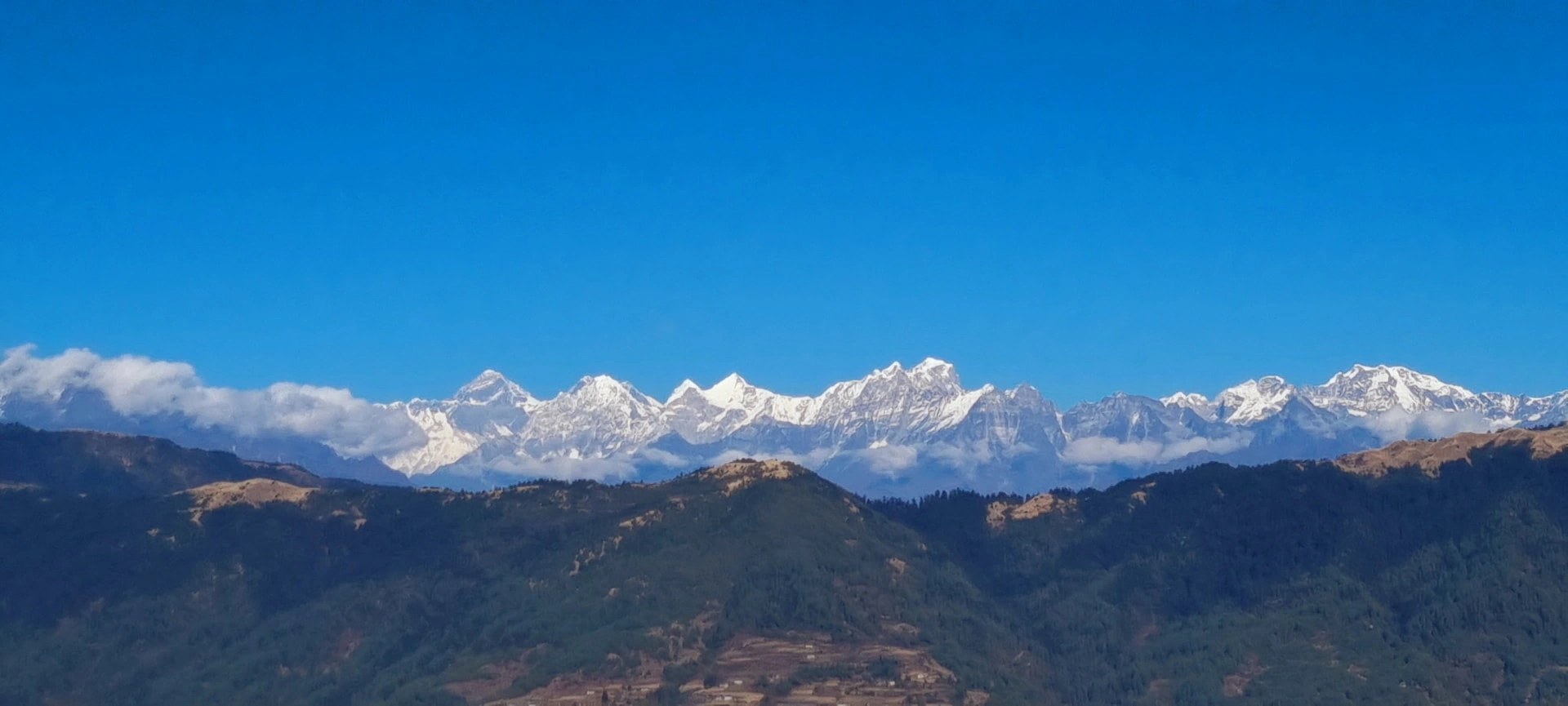
On clear days, the summit offers breathtaking views of:
- Mount Everest
- Kanchenjunga
- Makalu
- Lhotse
- Annapurna ranges
Trail Conditions and Terrain
The trail conditions on the Pikey Peak Trek are generally good and suitable for beginner trekkers.
However, hikers still encounter:
- Stone staircases
- Rocky sections
- Forest paths
- Steep uphill climbs
- Uneven mountain trails
Unlike technical climbing routes, the trek does not require ropes, crampons, or climbing gear. A good pair of trekking boots and proper balance are usually enough.
During spring and autumn, the trails remain dry and easier to walk on. Winter snowfall and monsoon rain can make the route slippery and more challenging.
Weather Conditions
Weather plays a major role in the overall trekking experience.
Mountain weather in Nepal changes quickly, especially at higher elevations. Sudden fog, wind, and temperature drops can increase trekking difficulty.
Spring (March to May)
Spring is one of the best seasons for the Pikey Peak Trek.
Trekkers enjoy:
- Blooming rhododendron forests
- Mild daytime temperatures
- Stable weather
- Clear mountain views
Autumn (September to November)
Autumn offers the best overall trekking conditions.
Advantages include:
- Dry trails
- Excellent visibility
- Comfortable temperatures
- Crisp Himalayan views
Winter (December to February)
Winter trekking is possible but more difficult.
Challenges include:
- Snow-covered trails
- Freezing nights
- Strong summit winds
- Colder temperatures
Monsoon (June to August)
Monsoon is the least recommended season.
Trekkers may face:
- Heavy rainfall
- Slippery trails
- Muddy paths
- Cloud-covered mountain views
- Leeches in forest areas
For beginners, spring and autumn are the safest and most comfortable seasons.
Is Pikey Peak Trek Suitable for Beginners?
Yes, the Pikey Peak Trek is highly suitable for beginners.
Many first-time trekkers choose this route because it offers a true Himalayan trekking experience without extreme difficulty. Unlike high-altitude expeditions, the trail remains relatively accessible and manageable.
Beginners particularly enjoy:
- Shorter trekking duration
- Peaceful trails
- Lower crowd levels
- Scenic mountain views
- Authentic Sherpa villages
However, beginners should still prepare physically before the trek. Even moderate Himalayan treks can become difficult without basic fitness.
Hiring a guide is also recommended for first-time trekkers, especially for navigation and safety during changing weather conditions.
How Fit Do You Need to Be for Pikey Peak Trek?
You do not need to be an athlete to complete the Pikey Peak Trek, but a reasonable fitness level is important.
Trekkers should be prepared for:
- Long walking hours
- Steep uphill sections
- High-altitude hiking
- Cold mountain weather
A basic fitness preparation plan can make the trek much easier and more enjoyable.
Cardio Training
Improving stamina before the trek is highly beneficial.
Helpful activities include:
- Jogging
- Cycling
- Swimming
- Fast walking
- Stair climbing
Strength Training
Strong legs and core muscles help during steep ascents and descents.
Focus on:
- Leg strength
- Core stability
- Balance exercises
Practice Hiking
Short hikes before arriving in Nepal can greatly improve trekking performance and confidence.
Ideally, trekkers should begin preparing at least 4 to 6 weeks before the trek.
Altitude Sickness on Pikey Peak Trek
Although the trek stays below 4,100 meters, altitude sickness can still affect some travelers.
The body requires time to adapt to lower oxygen levels. Trekkers who rush the ascent or ignore symptoms may face complications.
Tips to Prevent Altitude Sickness
Walk Slowly
Maintaining a slow pace helps the body acclimatize naturally.
Stay Hydrated
Drink 3–4 liters of water daily.
Avoid Alcohol
Alcohol increases dehydration and worsens altitude symptoms.
Eat Properly
Nutritious meals provide energy for trekking.
Sleep Well
Proper rest supports acclimatization.
If symptoms worsen, descending to a lower altitude is the safest option.
Best Time to Trek Pikey Peak
Choosing the right season can significantly reduce trekking difficulty.
Spring Season (March–May)
Spring is one of the most beautiful times for the trek.
Advantages include:
- Mild temperatures
- Blooming rhododendrons
- Clear skies
- Stable weather
Trails remain colorful and scenic throughout the season.
Autumn Season (September–November)
Autumn is considered the best overall trekking season.
Trekkers enjoy:
- Excellent mountain visibility
- Dry weather
- Comfortable temperatures
- Stable trail conditions
This season is ideal for photography and panoramic Himalayan views.
Winter Season (December–February)
Winter trekking is possible but more challenging.
Difficulties include:
- Snow-covered trails
- Cold nights
- Frozen water sources
- Strong summit winds
Experienced trekkers who enjoy snow landscapes may still prefer this season.
Monsoon Season (June–August)
Monsoon is the least recommended season.
Challenges include:
- Slippery trails
- Heavy rainfall
- Cloudy mountain views
- Leeches
Flights and road transportation can also face delays during heavy rain.
Comparing Pikey Peak Trek Difficulty with Other Nepal Treks
The Pikey Peak Trek is often compared with other famous trekking routes in Nepal.
| Trek | Difficulty | Maximum Altitude | Duration |
| Pikey Peak Trek | Moderate | 4,065m | 5–8 Days |
| Everest Base Camp Trek | Challenging | 5,364m | 12–14 Days |
| Ghorepani Poon Hill Trek | Easy to Moderate | 3,210m | 4–5 Days |
| Langtang Valley Trek | Moderate | 3,870m | 7–10 Days |
Compared to Everest Base Camp, the Pikey Peak Trek is shorter, less crowded, and physically easier. However, it still offers spectacular Everest views.
Essential Tips to Make Pikey Peak Trek Easier
Preparation can greatly improve your trekking experience.
Walk at Your Own Pace
Avoid rushing, especially at higher elevations.
Use Trekking Poles
They reduce pressure on knees during descents.
Wear Proper Footwear
Comfortable trekking boots help prevent injuries.
Pack Light
A lighter backpack makes trekking easier.
Stay Hydrated
Hydration improves acclimatization and energy levels.
Take Enough Rest
Proper sleep helps the body recover.
Hire a Guide or Porter
Local guides provide navigation, cultural insights, and support.
Packing List for Pikey Peak Trek
Proper gear makes the trek safer and more comfortable.
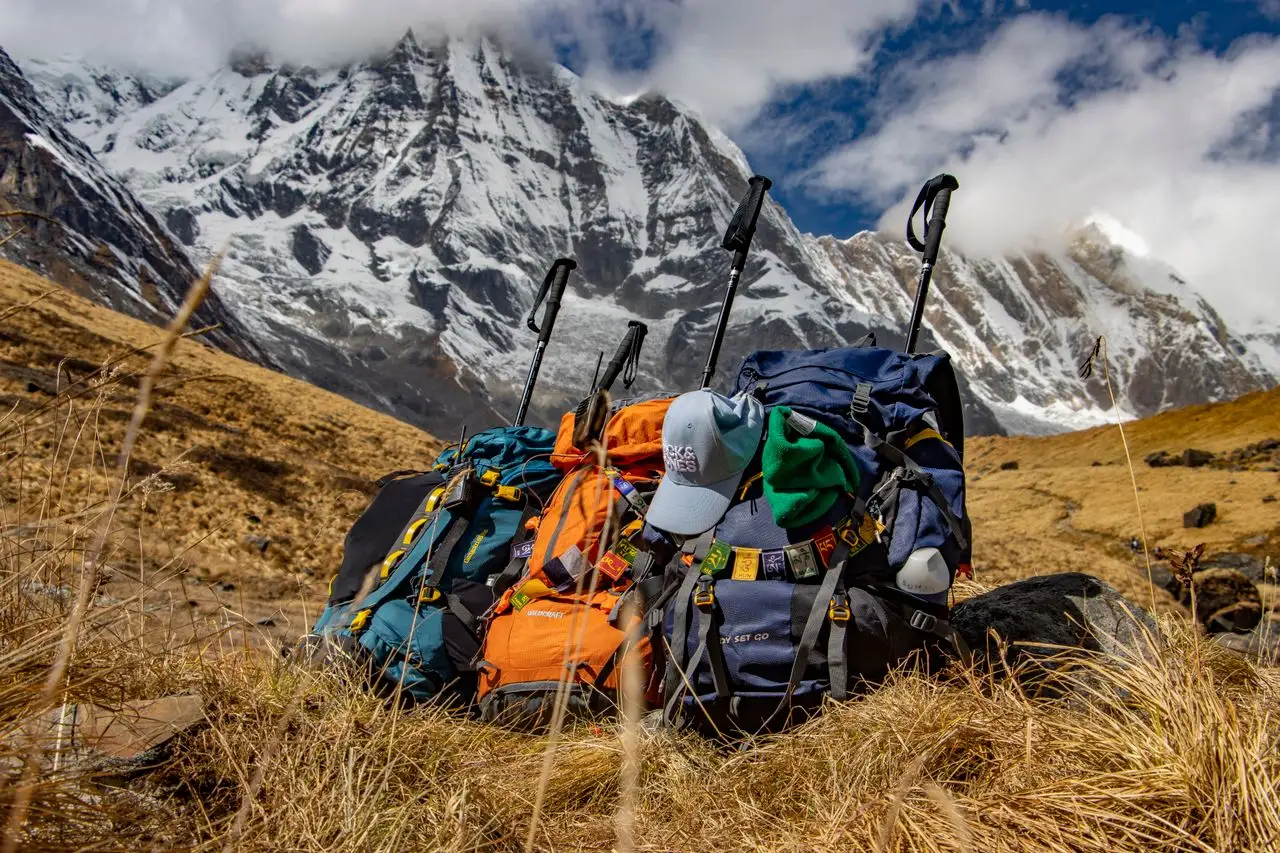
Essential items include:
Clothing
- Thermal base layers
- Fleece jacket
- Down jacket
- Waterproof shell
- Trekking pants
- Warm gloves
- Wool hat
Footwear
- Trekking boots
- Warm socks
- Camp shoes
Trekking Equipment
- Trekking poles
- Daypack
- Water bottles
- Headlamp
Health and Safety
- First aid kit
- Sunscreen
- Sunglasses
- Water purification tablets
Layered clothing is especially important because temperatures change rapidly between day and night.
Common Challenges Trekkers Face
Even though the trek is moderate, trekkers still face several challenges.
Breathlessness
Thin air at higher elevations may cause shortness of breath.
Cold Temperatures
Night temperatures can drop below freezing.
Steep Sections
Certain uphill climbs require endurance and pacing.
Basic Teahouse Facilities
Accommodation in remote villages is simple.
Long Road Journey
The drive from Kathmandu to the trekking starting point can be rough and tiring.
Being mentally prepared helps trekkers manage these challenges more comfortably.
Why Pikey Peak Trek Is Worth the Effort
Despite the challenges, the Pikey Peak Trek is one of Nepal’s most rewarding short treks.
Trekkers experience:
- Stunning Everest sunrise views
- Peaceful trekking routes
- Authentic Sherpa culture
- Ancient monasteries
- Beautiful alpine landscapes
- Fewer crowds compared to Everest Base Camp
Many travelers consider the sunrise from Pikey Peak one of the best mountain viewpoints in Nepal.
The combination of natural beauty, cultural immersion, and moderate trekking difficulty makes this trek ideal for both beginners and experienced hikers.
Who Should Choose the Pikey Peak Trek?
The Pikey Peak Trek is ideal for:
- First-time Himalayan trekkers
- Travelers with limited time
- Beginners looking for Everest views
- Photographers seeking scenic landscapes
- Trekkers wanting fewer crowds
- Moderate adventure seekers
It is one of the best short Himalayan treks for people who want a balance between comfort, challenge, and authentic mountain culture.
Final Verdict: How Difficult Is the Pikey Peak Trek?
The Pikey Peak Trek is a moderate Himalayan trek suitable for beginners with basic physical fitness and proper preparation.
While the trek includes:
- High altitude
- Steep climbs
- Long walking days
- Cold temperatures
it remains much easier than many famous trekking routes in Nepal.
For trekkers seeking:
- Everest views
- Fewer crowds
- Short trekking duration
- Authentic mountain culture
Pikey Peak Trek is an excellent choice.
With good preparation, proper pacing, and the right season, most healthy trekkers can successfully complete this unforgettable Himalayan adventure.
FAQs about Pikey Peak Trek Difficulty
Is Pikey Peak Trek difficult for beginners?
No, it is considered a moderate trek suitable for beginners with basic fitness.
How high is Pikey Peak?
Pikey Peak stands at 4,065 meters above sea level.
Can beginners do Pikey Peak Trek without a guide?
Yes, but hiring a guide is recommended for safety and navigation.
How many days are needed for Pikey Peak Trek?
Most itineraries range between 5 and 8 days.
Is altitude sickness common on Pikey Peak Trek?
Altitude sickness is possible but less common compared to higher Himalayan treks.
Which season is best for Pikey Peak Trek?
Spring and autumn are the best seasons due to stable weather and clear mountain views.
How fit do I need to be for Pikey Peak Trek?
Average fitness with some cardio preparation is usually enough for the trek.
Related Blogs
Manaslu Circuit Trek Packing List: Complete Guide to What to Pack
The Manaslu Circuit Trek packing list should prepare you for everything from warm, humid valleys to cold, high-altitude mountain...
Best Time for Manaslu Circuit Trek: Weather & Monthly Guide
The best time for Manaslu Circuit Trek is generally during spring (March to May) and autumn (September to November)....
Mardi Himal Trek Solo A Complete Guide for Solo Travelers
The Mardi Himal Trek is one of the most beautiful short treks in Nepal. It takes you through green...
For Queries & Reservations
Travelling with us is flexible, freedom and fun.
We deliver exceptional products at a very good price for you, but not at the cost of the environment or our social responsibilities “travel Responsibly”