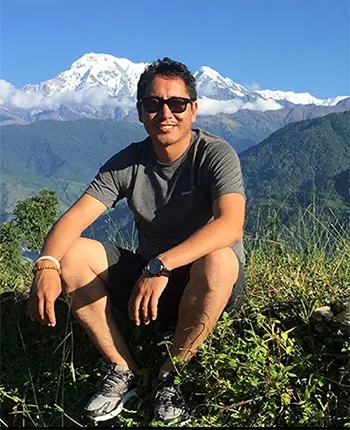

Pikey Peak Trek Guide
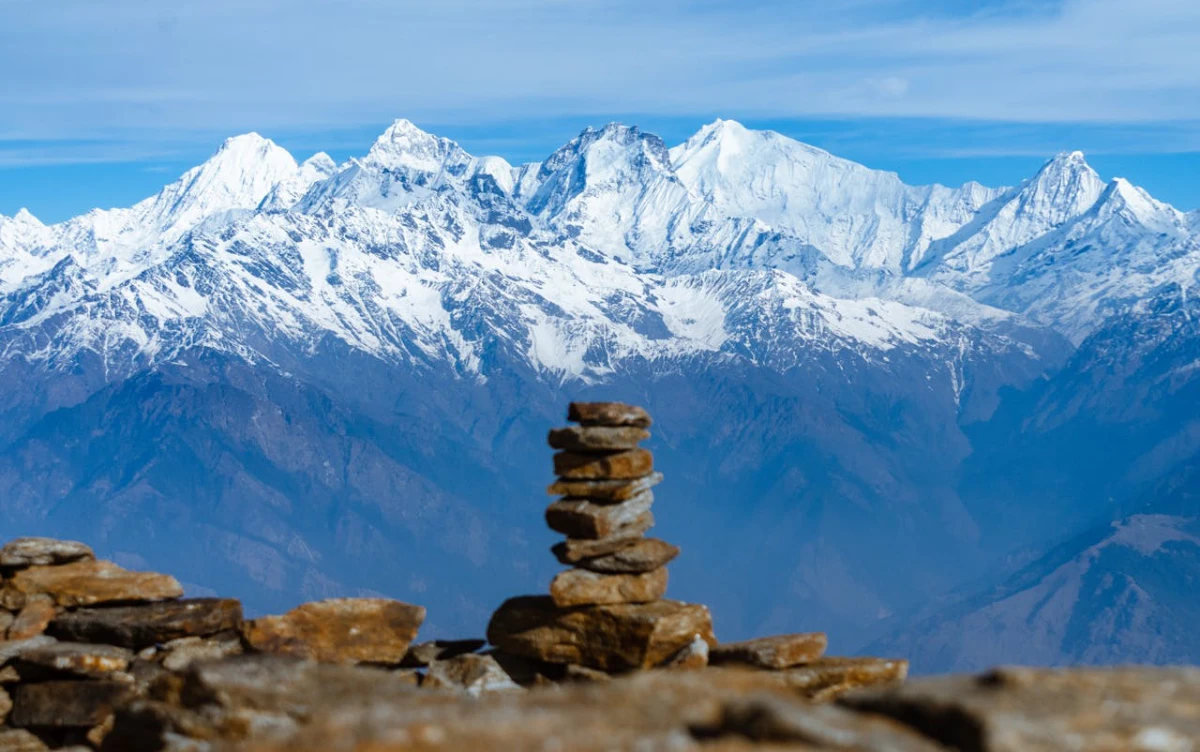
“Pikey Peak offers the best view of Everest I have ever seen.” — Sir Edmund Hillary, first person to summit Mount Everest
Imagine standing on a misty Himalayan ridge at dawn, watching the first golden light of sunrise spill over the roof of the world — Mount Everest — while the peaks of Kanchenjunga, Makalu, and Lhotse glow in the distance. No crowds. No chaos. Just you, the mountains, and the sound of prayer flags fluttering in the cold morning air.
This is Pikey Peak.
If you are a beginner dreaming of a Himalayan trek but worried about altitude, fitness, or cost — Pikey Peak Trek is your answer. It is the trek that Sir Edmund Hillary himself called his favorite viewpoint in all of Nepal, yet it remains one of the least crowded and most accessible routes in the entire Everest region.
This complete Pikey Peak Trek Guide for Beginners walks you through everything you need to know — from what to pack and how to get there, to day-by-day itinerary, costs, best season, and essential tips that will make your first Himalayan adventure safe, enjoyable, and unforgettable.
What Is Pikey Peak? Overview & Location
Pikey Peak is a stunning viewpoint and trekking destination located in the Solukhumbu District of eastern Nepal, in the lower Khumbu region — the same legendary area that is home to Mount Everest. It sits at an altitude of 4,065 metres (13,333 feet), making it one of the most accessible high-altitude viewpoints in the Himalaya.
The name “Pikey” is derived from a local Sherpa clan deity symbolising the sky over nature, giving the peak deep spiritual significance for the communities that live around it.
Despite being in the heart of the Everest region, Pikey Peak sits south of Sagarmatha National Park and well below the famous Lukla gateway. This means you do not need to take an expensive or nerve-wracking flight to Lukla to begin your trek. You simply drive from Kathmandu — a game-changer for beginners.
Pikey Peak vs Everest Base Camp — What Is the Difference?
For many first-timers, the comparison between Pikey Peak and Everest Base Camp (EBC) is the first question they ask. Here is the honest answer:
| Pikey Peak | Everest Base Camp | |
|---|---|---|
| Max Altitude | 4,065m | 5,364m |
| Duration | 5–7 days | 12–14 days |
| Difficulty | Moderate (beginner-friendly) | Strenuous |
| Crowd Level | Low | Very high |
| Cost | Budget-friendly | Expensive |
| Lukla Flight | Not required | Required |
| Everest View | Excellent panoramic view | Close-up view |
If you want to see Everest without the extremes, Pikey Peak is the smarter choice for a first Himalayan trek.
Is Pikey Peak Good for Beginners?
Yes — absolutely. Pikey Peak is one of the best beginner treks in Nepal, and the Pikey Peak trek guide explains why.
Difficulty Level
The trek is rated moderate on Nepal’s trekking difficulty scale. Unlike high-altitude routes like Everest Base Camp (which crosses terrain above 5,000 metres) or Annapurna Circuit (which involves the 5,416m Thorong La Pass), Pikey Peak keeps you in a comfortable altitude range the entire time. The maximum elevation is 4,065 metres, and most of your days on the trail will be between 2,800 and 3,600 metres.
The trail itself is well-maintained. You will encounter a mix of uphill and downhill sections, some rocky stretches, and a few steep inclines — but nothing that requires any technical skill or mountaineering experience.
Daily Walking Time
On average, you will walk 4 to 6 hours per day. This is very manageable for anyone who does light exercise regularly. The longest stretch covers around 14 kilometres, but rest stops and lunch breaks are built into every day.
Who Can Trek Pikey Peak?
Pikey Peak is suitable for:
- First-time trekkers with no prior Himalayan experience
- Families with older children or teenagers
- Senior trekkers looking for a scenic, low-risk route
- Travellers with limited time (can be done in as few as 5 days)
- Anyone who wants authentic Nepal without the EBC crowds
Who Should Be Cautious?
- People with serious respiratory or cardiovascular conditions
- Those with a known sensitivity to altitude (though the risk here is much lower than on other treks)
- Very young children who may struggle with daily walking distances
How to Prepare Physically
You do not need to be an athlete, but some preparation helps. In the weeks before your trek, try to:
- Walk or hike for 1–2 hours daily, ideally on uneven terrain
- Build cardio through jogging, cycling, or swimming
- Do light leg-strengthening exercises (squats, lunges)
- Practice carrying a daypack of 5–8 kg
Even modest preparation will make your days on the trail significantly more comfortable and enjoyable.
Pikey Peak Trek Guide Highlights — What Makes It Special
The Best Everest Viewpoint in Nepal
Pikey Peak’s greatest draw is its extraordinary 360-degree panoramic view of the Himalaya — from east to west Nepal. On a clear day you can see:
- Mt. Everest (8,848m) — the world’s highest peak
- Kanchenjunga (8,586m) — third highest in the world, to the east
- Lhotse (8,516m) and Makalu (8,485m)
- Dhaulagiri (8,167m) and Annapurna to the far west
- Numbur Himal and Gaurishankar in the middle distance
What makes this view special is not just the altitude, but the position. Pikey Peak sits at a unique angle that gives you a sweeping east-to-west panorama — something even Everest Base Camp cannot offer.
The Pikey Peak Sunrise Experience
The highlight of any Pikey Peak trek guide is waking before dawn on summit day and hiking 45 minutes to an hour to the viewpoint in the dark, guided by your headlamp. As the sky begins to lighten, the peaks emerge one by one from the darkness. When the first light hits Everest and turns the snow gold, it is a moment you will remember for the rest of your life.
Sherpa Culture and Village Life
The trail passes through villages inhabited by Sherpa, Tamang, Rai, and Magar communities. You will sleep in family-run teahouses, eat home-cooked Nepali food, and witness daily mountain life up close — herders guiding yaks through terraced fields, monks at prayer in ancient monasteries, and the constant flutter of colourful prayer flags above every ridge.
Thuptencholing Monastery
One of the most memorable stops is the Thuptencholing Monastery in Junbesi — a living monastery where hundreds of monks and nuns practice Buddhism daily. Visitors are usually welcome to observe ceremonies and explore the grounds. It is a peaceful, spiritually rich experience that adds real depth to the trek.
Rhododendron Forests
If you trek in spring (March to May), you walk through forests ablaze with rhododendron blossoms — pink, red, and white flowers against the backdrop of snow-capped peaks and clear blue sky. The forests are also rich with oak, pine, and fir trees, and the air carries the scent of wildflowers throughout the day.
Off the Beaten Path
Unlike the Everest Base Camp route, which sees hundreds of trekkers per day during peak season, Pikey Peak trails are quiet and uncrowded. You can walk for hours without meeting another foreign trekker. This solitude is one of the trek’s greatest gifts — it feels like a genuine Himalayan adventure, not a tourist conveyor belt.
Best Time to Trek Pikey Peak
Choosing the right season is one of the most important decisions you will make. Here is a clear season-by-season breakdown for beginners:
Spring — March to May (Highly Recommended)
Spring is arguably the best time to trek Pikey Peak. The rhododendron forests are in full bloom, skies are generally clear in the mornings, and temperatures are comfortable for walking. Expect warm days in lower elevations and cool nights above 3,000 metres. The main downside is that afternoon clouds can roll in, so plan to reach viewpoints by mid-morning.
Autumn — September to November (Most Popular)
Autumn is Nepal’s peak trekking season for good reason. Post-monsoon air is crystal clear, giving you the sharpest mountain views of the year. Temperatures are stable and pleasant, the landscape is fresh and green, and the festive season (Dashain and Tihar) adds a joyful energy to the villages along the trail. This is the ideal season for photography.
Winter — December to February (Good for Experienced Beginners)
Winter treks on Pikey Peak are cold — temperatures at the summit can drop well below freezing — but the skies are brilliantly clear and the trails are peaceful. If you are prepared with the right gear and clothing, winter offers a magical, almost otherworldly experience with fewer trekkers on the route.
Monsoon — June to August (Not Recommended for Beginners)
Heavy rainfall makes trails slippery and muddy, leeches are common in forested sections, and mountain views are largely hidden by clouds. The monsoon season is best avoided by first-time trekkers.
Quick reference:
| Season | Months | Weather | Views | Crowds | Beginner Rating |
|---|---|---|---|---|---|
| Spring | Mar–May | Warm & mild | Very good | Moderate | ⭐⭐⭐⭐⭐ |
| Autumn | Sep–Nov | Cool & stable | Excellent | Moderate | ⭐⭐⭐⭐⭐ |
| Winter | Dec–Feb | Cold | Clear | Low | ⭐⭐⭐ |
| Monsoon | Jun–Aug | Wet | Poor | Very low | ⭐ |
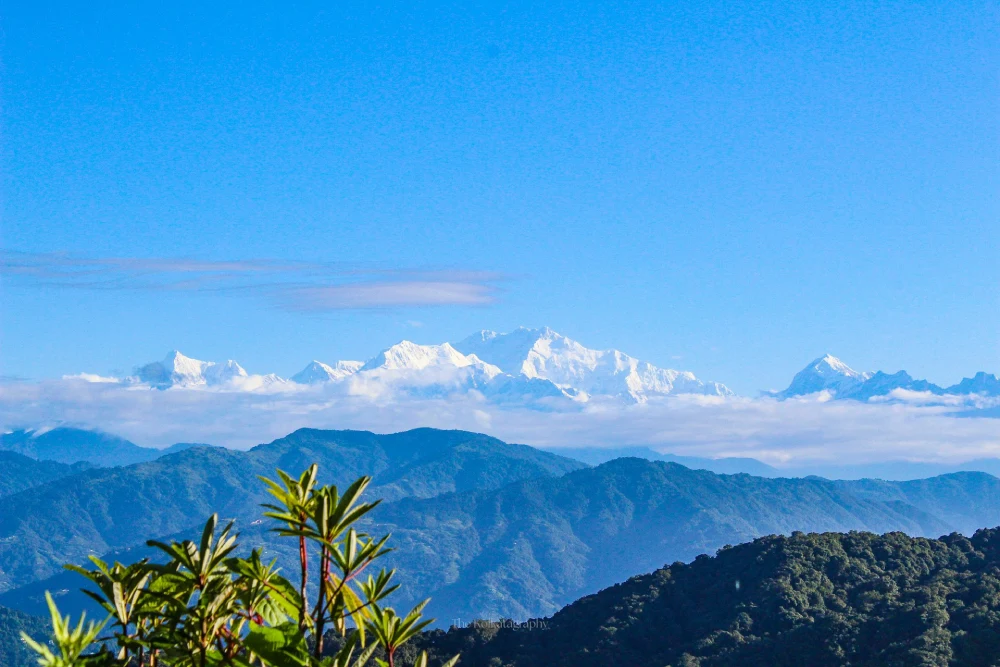
Pikey Peak Trek Itinerary — Day by Day
The most popular route for beginners is the 5 to 7-day itinerary starting from Dhap Bazaar and ending at Phaplu. Here is a complete day-by-day breakdown:
Day 1 — Kathmandu to Dhap Bazaar (2,850m)
Drive: 7–8 hours by private jeep or public bus
Your adventure begins with a long but scenic drive from Kathmandu to Dhap Bazaar. The road winds alongside the beautiful Sunkoshi River and passes through Ghurmi Village and Okhaldhunga, offering views of terraced hillsides, dense forests, and rural Nepali life. Arrive in Dhap in the evening, check into your teahouse, and rest well — the real trekking begins tomorrow.
Beginner tip: Book a private jeep for more comfort. The road is rough in places, so bring a neck pillow and snacks.
Day 2 — Dhap Bazaar to Jhapre (2,815m)
Trek: 5–6 hours | Distance: ~12 km
Today’s trail begins with a gentle uphill through rhododendron and oak forest from Dhap. As you approach the village of Sigane, you will catch your first distant view of Everest and the Numbur Himal range — a breathtaking reward for the morning’s effort. The path continues through mani walls and small chortens to Jhapre, a charming Sherpa village perched above a deep valley. A small, pretty gompa and stupa sit at the edge of the village.
Beginner tip: Take it slow on this first trekking day. Your legs need time to adjust. Drink plenty of water.
Day 3 — Jhapre to Pikey Base Camp (3,640m)
Trek: 5–6 hours | Elevation gain: ~825m
This is the most physically demanding day, with a steady uphill climb from Jhapre up to Pikey Base Camp. The trail follows a grassy ridge through Bhulbhule before ascending through dense forests. Mountain views grow wider and more dramatic with every hour. By the time you reach base camp, you will have earned your rest — and tomorrow’s sunrise will make every step worthwhile.
Beginner tip: Set a steady, slow pace on the uphill. “Rest-step” technique — a brief pause at each step — conserves energy on steep sections.
Day 4 — Summit Pikey Peak (4,065m) & Trek to Phaplu (2,413m)
Trek: 7–8 hours total | The highlight of the entire trip
Wake at 4:00 AM. Dress warmly, pack your headlamp, and begin the 45-minute to 1-hour hike to the viewpoint in the dark. As dawn breaks, the Himalayan giants emerge from the night sky one by one. Watch Everest turn gold in the first light of sunrise — a moment that stops time. Take all the photos you want, soak in the stillness, and let the magnitude of what you are seeing wash over you.
After sunrise, begin the long descent to Phaplu through Sherpa villages and terraced farmland. It is a tiring day on the legs, but the memories will carry you.
Beginner tip: Wear all your warm layers for the pre-dawn summit hike. It will be very cold. Bring a flask of hot tea.
Day 5 — Phaplu to Kathmandu
Drive: 8–9 hours
An early start for the long drive back to Kathmandu. Stop in Okhaldhunga for lunch, and arrive in Kathmandu by evening. Celebrate with a hot shower and a well-deserved Nepali dinner.
Optional Day 6–7 — Junbesi Village Extension
For those with extra time, extending the itinerary to include Junbesi is highly recommended. This historic Sherpa village sits at 2,675 metres and is home to the magnificent Thuptencholing Monastery. The pace slows, the culture deepens, and you get a richer sense of life in the Solu region.
How to Get to Pikey Peak from Kathmandu
One of Pikey Peak’s biggest advantages for beginners is its easy road access from Kathmandu. No Lukla flight required.
Option 1 — Private Jeep (Recommended for Beginners)
The most comfortable and reliable option. A private jeep takes 7–8 hours from Kathmandu to Dhap Bazaar, following the Sunkoshi River valley. Cost: approximately NPR 15,000–20,000 for the whole vehicle (split among your group). Book through your trekking agency.
Option 2 — Shared Jeep or Public Bus
Budget travellers can take a shared jeep or local bus to Okhaldhunga, then connect to Dhap. This is cheaper but slower and significantly less comfortable on Nepal’s mountain roads. Cost: NPR 800–1,500 per person.
Option 3 — Flight to Phaplu
If you are short on time, Tara Air and Summit Air operate regular flights from Kathmandu to Phaplu Airport (20–30 minutes). You can then begin the trek from Phaplu rather than Dhap. Cost: approximately USD 100–120 one way. Flights can be disrupted by weather.
Beginner tip: If you fly in, drive back — or vice versa. It saves a full day of road travel and breaks up the monotony.
Pikey Peak Trek Cost — Full Budget Breakdown
Pikey Peak is one of the most affordable Himalayan treks in Nepal. Here is an honest breakdown of what to expect:
Package Cost (Per Person)
- Budget trekker: USD 399–499 (shared jeep, basic teahouses, minimal extras)
- Comfortable trekker: USD 599–699 (private jeep, better teahouses, licensed guide)
- Luxury trekker: USD 899–1,199 (private vehicle, premium teahouses, full service)
Daily Food Budget on the Trail
- Breakfast (eggs, porridge, pancakes): USD 3–6
- Lunch (dal bhat, noodles, rice dishes): USD 5–9
- Dinner (Nepali thali, pasta, soups): USD 6–10
- Tea/coffee: USD 1–2 per cup
- Total daily food budget: USD 15–25 per person
Tip: Dal bhat — Nepal’s traditional lentil rice meal — is the best value on the menu. Most teahouses offer unlimited refills.
Permits Required
- TIMS Card (Trekkers’ Information Management System): NPR 2,000 (approx. USD 15)
- Solukhumbu Entry Permit: NPR 300–500
Your trekking agency will handle permit arrangements. Keep copies of all documents with you on the trail.
Guide & Porter Costs
- Licensed guide: USD 30–40 per day
- Porter: USD 20–25 per day
Since 2023, Nepal has required all trekkers to have a licensed guide from a registered trekking agency. Freelance guides are no longer permitted. This is not just a legal requirement — a good guide dramatically improves your experience, especially as a beginner.
Ways to Save Money
- Trek in shoulder season (late February or early December) for lower package rates
- Travel in a small group to split jeep costs
- Choose local teahouses over tourist lodges
- Carry a reusable water bottle with purification tablets instead of buying bottled water
What to Pack — Pikey Peak Packing List for Beginners
Packing right is one of the most important things a beginner can do. Here is the essential Pikey Peak packing list:
Clothing
- Moisture-wicking base layer (top and bottom)
- Thermal/fleece mid-layer
- Waterproof and windproof outer jacket
- Trekking trousers (avoid jeans — they are heavy and slow to dry)
- Warm gloves (waterproof if possible)
- Woollen hat and sun hat
- 3–4 pairs of woollen or trekking socks
- Sturdy ankle-support hiking boots (broken in before the trip)
- Camp sandals or flip-flops for teahouse evenings
Gear
- Trekking poles (especially helpful on steep descents)
- 30–40 litre daypack
- Sleeping bag rated to at least -5°C
- Headlamp with spare batteries
- Power bank (charging on the trail costs USD 1–2 per device)
- Reusable water bottle (1 litre minimum) + purification tablets or filter
Health & Hygiene
- Basic first aid kit (plasters, bandages, antiseptic, blister pads)
- Altitude sickness medication — discuss Diamox with your doctor before travel
- Sunscreen (SPF 50+) and lip balm — UV intensity is high at altitude
- Hand sanitiser and wet wipes
- Personal medications and a copy of your prescriptions
- Toilet paper (not always available in teahouses)
Documents & Money
- Passport + photocopies
- Travel insurance documents (must cover helicopter evacuation)
- Trekking permits
- Nepali Rupees in cash — there are no ATMs on the trail, and foreign currency is not accepted in rural areas
What NOT to Pack
- Heavy jeans or cotton clothing
- Multiple pairs of shoes (boots + sandals is enough)
- Large amounts of jewellery or valuables
- More than 7–8 kg in your main bag (your porter will thank you)
Accommodation & Food on the Trail
Teahouse Accommodation
Pikey Peak sits on a recently opened trekking route, which means accommodation is more basic than on heavily developed trails like EBC. Teahouses along the route are simple but welcoming — think shared bathrooms, cosy wooden bedrooms, warm meals, and the genuine warmth of Sherpa hospitality.
Most teahouses offer:
- Basic single or twin bedrooms with blankets
- Shared bathroom facilities (some with hot shower for USD 2–5)
- Electricity and phone charging (fee applies)
- Wi-Fi at some locations (USD 2–5 per day)
- Three meals a day cooked to order
Important: Because accommodation is limited on this route, always pre-book your teahouses before leaving Kathmandu, especially if you are trekking in spring or autumn. Your trekking agency can arrange this for you.
Food on the Trail
Teahouse menus are surprisingly varied. Expect:
- Breakfast: scrambled eggs, fried eggs, Tibetan bread, porridge, pancakes, instant noodles
- Lunch: dal bhat, fried rice, noodle soup, mo:mo (dumplings), pasta
- Dinner: Nepali thali, vegetable curry, soup, pasta, pizza (at lower elevations)
- Drinks: milk tea, black tea, coffee, hot lemon, ginger tea, hot chocolate
Dal bhat is always the best choice — it is nutritious, filling, and almost always comes with unlimited refills. It is the fuel that has powered Sherpa guides for generations.
Essential Tips for First-Time Trekkers on Pikey Peak
Hire a Licensed Guide
Since March 2023, Nepal requires all trekkers to use a licensed guide from a registered trekking agency. This is not just bureaucracy — a good guide knows the trail, speaks the local language, can assess altitude sickness symptoms, knows where to shelter in bad weather, and adds enormous value to your cultural experience. Do not cut corners here.
Understand Altitude Sickness
At 4,065 metres, Pikey Peak is high enough that some trekkers experience mild altitude symptoms — headache, fatigue, nausea, or difficulty sleeping. The risk is much lower than on treks that go above 5,000 metres, but you should still take it seriously.
How to prevent altitude sickness:
- Ascend gradually — never gain more than 500m of sleeping altitude per day
- Drink 3–4 litres of water daily
- Avoid alcohol, especially in the first few days
- Rest when your body tells you to
- Consult your doctor about Diamox (acetazolamide) before your trip
The golden rule: if symptoms worsen, descend immediately. Do not push on.
Start Early Every Day
On the trail, start walking by 7:00–8:00 AM. Himalayan weather follows a predictable pattern — mornings are clear, afternoons bring clouds. For summit day, wake at 4:00 AM to catch sunrise and return before the clouds close in.
Carry Only Cash
There are no ATMs anywhere on the Pikey Peak trail. Withdraw enough Nepali Rupees in Kathmandu before you leave. Budget NPR 1,500–2,500 per day for food and extras, plus buffer for emergencies.
Respect Local Culture
- The communities along the Pikey Peak trail are deeply Buddhist and culturally rich. Show respect by:
- Dressing modestly when visiting monasteries (cover shoulders and knees)
- Always walking clockwise around stupas and mani walls
- Asking permission before photographing local people
- Avoiding public displays of frustration or impatience
Get Proper Travel Insurance
This is non-negotiable. Make sure your policy covers trekking above 4,000 metres and includes helicopter evacuation. In an emergency, a helicopter rescue from Pikey Peak can cost USD 3,000–5,000 without insurance.
Photography Tip
For the best sunrise photos from Pikey Peak, arrive at the viewpoint 30 minutes before sunrise. The pre-dawn alpenglow and the moment the first light hits Everest are the two most dramatic photo opportunities — and they happen fast.
Conclusion — Your Himalayan Adventure Awaits
Pikey Peak is not just a trek. It is a journey into the heart of the Himalaya — through ancient forests, sacred monasteries, warm Sherpa villages, and ultimately to a summit where the greatest mountains on earth are laid out before you in one sweeping, awe-inspiring panorama.
For a beginner, pikey peak trek guide offers everything you could hope for: manageable difficulty, breathtaking scenery, rich culture, and a deep sense of achievement — all without the extreme altitude, physical strain, or heavy cost of Everest Base Camp.
Whether you have one week or two, a tight budget or room to splurge, Pikey Peak has an itinerary and experience that fits. Spring or autumn, solo or family — the trek delivers every time.
Sir Edmund Hillary chose Pikey Peak as his favourite view of Everest. Now it is your turn.
Pack your boots, book your guide, and go find out why.
Frequently Asked Questions
Do I need any trekking experience to do Pikey Peak?
No prior trekking experience is required. As long as you are reasonably fit and prepared, Pikey Peak is very manageable for first-timers. Follow Pikey Peak trek guide.
Do I need a guide for Pikey Peak?
Yes. Since 2023, Nepal mandates a licensed guide from a registered trekking agency for all treks, including Pikey Peak.
How many days does Pikey Peak take?
The most popular itineraries are 5 days (fast-paced) or 7 days (relaxed, with cultural stops). Both are suitable for beginners.
Is there mobile network coverage on the trail?
There is some Ncell and NTC coverage in larger villages, but it can be patchy. Do not rely on your phone for navigation — your guide handles this.
Can I do Pikey Peak solo?
Solo trekking is technically not permitted under current Nepal regulations. You must trek with a licensed guide.
Is Pikey Peak suitable for families?
Yes. Families with children aged 10 and above generally do well on this trek, especially with a guide and porter. A relaxed 7-day pace is recommended for families.
Related Blogs
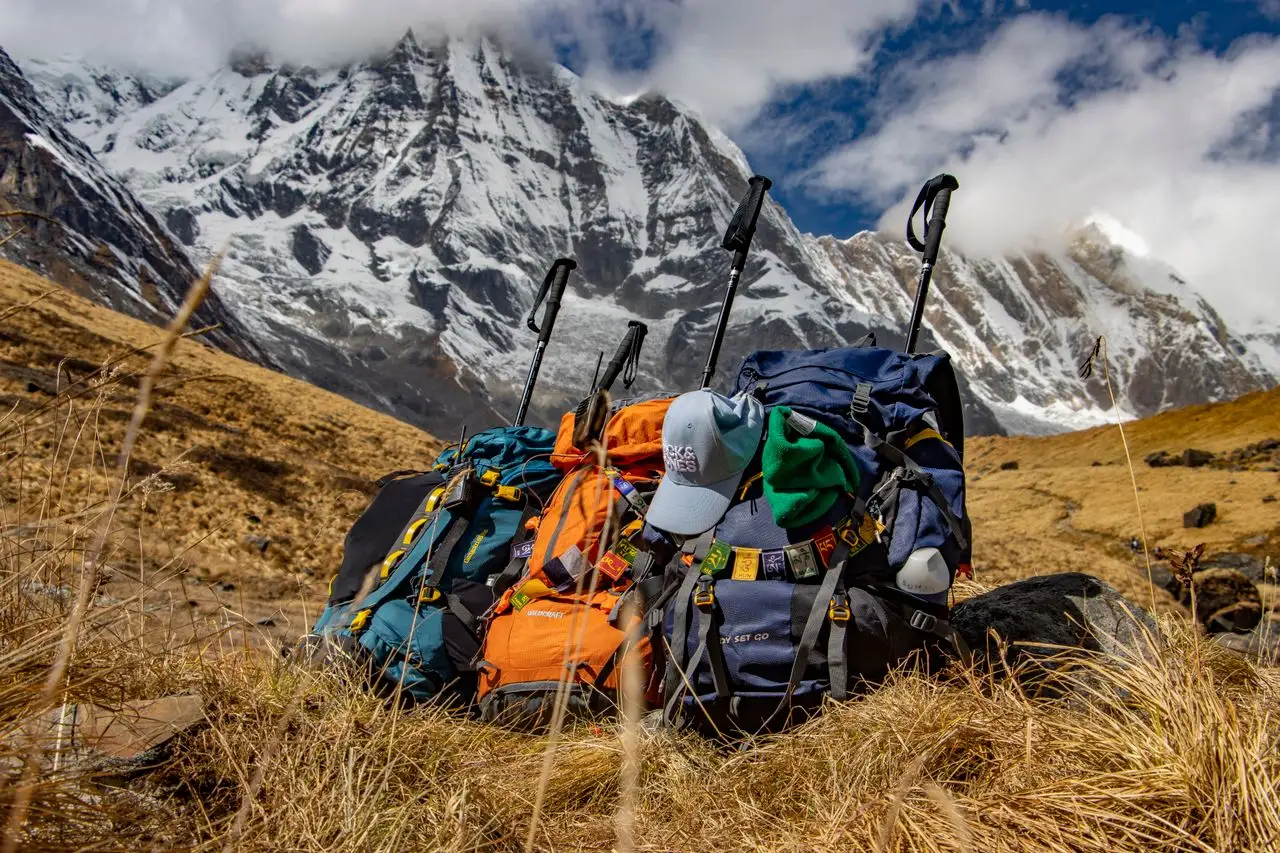
Manaslu Circuit Trek Packing List: Complete Guide to What to Pack
The Manaslu Circuit Trek packing list should prepare you for everything from warm, humid valleys to cold, high-altitude mountain...
Best Time for Manaslu Circuit Trek: Weather & Monthly Guide
The best time for Manaslu Circuit Trek is generally during spring (March to May) and autumn (September to November)....
Mardi Himal Trek Solo A Complete Guide for Solo Travelers
The Mardi Himal Trek is one of the most beautiful short treks in Nepal. It takes you through green...
For Queries & Reservations
Travelling with us is flexible, freedom and fun.
We deliver exceptional products at a very good price for you, but not at the cost of the environment or our social responsibilities “travel Responsibly”