
Manaslu Circuit Trek Difficulty: How Hard Is the Trek?
The Manaslu Circuit Trek is one of Nepal’s most rewarding high-altitude adventures. It offers spectacular mountain scenery, authentic Tibetan-influenced culture, remote villages, and the unforgettable crossing of Larkya La Pass. However, many trekkers ask the same question before booking: How difficult is the Manaslu Circuit Trek?
The simple answer is that the Manaslu Circuit Trek is moderately challenging to difficult. It is not a technical climb, and you do not need mountaineering experience. However, the trek requires good physical fitness, proper acclimatization, and the ability to walk for several days in remote mountain conditions.
Compared to popular trekking routes such as the Annapurna Base Camp Trek, the Manaslu Circuit is more demanding because of its higher altitude, longer duration, and remote location. Yet, with proper preparation, many first-time trekkers successfully complete the trek every year.
This guide explains everything you need to know about the difficulty level of the Manaslu Circuit Trek, including altitude, fitness requirements, Larkya La Pass, acclimatization, and practical tips to make the journey easier.
Quick Difficulty Overview
| Factor | Difficulty Level |
| Trek Duration | Moderate to Challenging |
| Daily Walking Hours | Moderate |
| Altitude | Challenging |
| Larkya La Pass Crossing | Difficult |
| Technical Climbing | Easy |
| Trail Conditions | Moderate |
| Overall Difficulty | Moderate to Challenging |
The difficulty of the Manaslu Circuit Trek comes from endurance rather than technical skills. Most trekkers can complete the route if they train in advance and allow enough time for acclimatization.
How Difficult Is the Manaslu Circuit Trek?
The Manaslu Circuit Trek is generally rated as a moderate to challenging trek. The route usually takes around 14 to 18 days and reaches an elevation of 5,106 meters at Larkya La Pass, one of the highest trekking passes in Nepal.
You will spend many consecutive days hiking uphill and downhill while gaining altitude gradually. Most trekking days involve walking between six and eight hours. During the pass-crossing day, trekkers may walk eight to ten hours depending on weather conditions and pace.
The trek becomes more difficult because there are limited roads, fewer modern facilities, and longer distances between villages compared to more commercial trekking routes. The remoteness adds to the adventure, but it also means you need to be physically and mentally prepared.
Why Is the Manaslu Circuit Trek Challenging?
High Altitude
Altitude is the biggest challenge on the Manaslu Circuit Trek. As you climb above 3,000 meters, the oxygen level decreases significantly. Even fit trekkers can experience headaches, fatigue, or shortness of breath.
Higher elevations make every step feel harder. Walking uphill becomes slower, recovery takes longer, and sleeping can sometimes be more difficult. Proper acclimatization is essential for a safe and enjoyable trek.
Long Walking Days
Unlike shorter treks in Nepal, the Manaslu Circuit requires continuous trekking for over two weeks. Most days involve six to eight hours of hiking.
A typical trekking day includes:
- Gradual ascents through river valleys.
- Steep sections near higher villages.
- Rocky trails.
- Suspension bridges.
- Long descents after crossing the pass.
The cumulative fatigue from multiple trekking days often feels more challenging than any single day.
Larkya La Pass Crossing
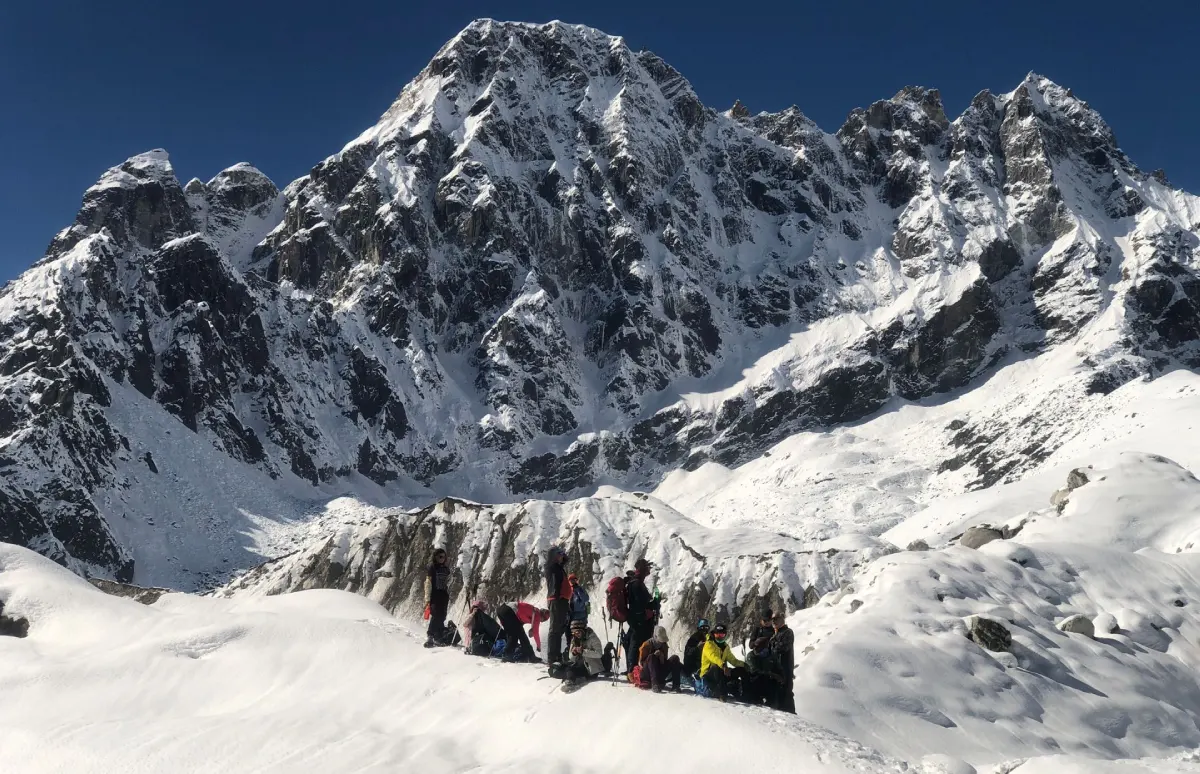
The hardest part of the trek is crossing Larkya La Pass (5,106 m).
Trekkers usually start before sunrise from Dharmasala to avoid strong afternoon winds and changing weather. The climb is long, cold, and physically demanding. Because of the altitude, progress becomes slower, and breathing requires more effort.
After reaching the top, there is still a long descent toward Bimthang. Many trekkers consider this the most difficult day of the entire journey.
Remote Location
The Manaslu region is less developed than the Everest or Annapurna regions. While tea houses are available, facilities are simpler in higher villages.
Limited internet access, fewer medical facilities, and remote trails mean trekkers need to be self-prepared. This remoteness is part of what makes the trek special, but it also increases the overall difficulty.
Weather Conditions
Weather can change quickly in the Himalayas. Snow, rain, wind, and cold temperatures can make trekking more difficult, especially near the pass.
Autumn and spring generally offer the most stable conditions, while winter can bring heavy snowfall that may temporarily close Larkya La Pass.
Can Beginners Do the Manaslu Circuit Trek?
Yes, beginners can complete the Manaslu Circuit Trek if they prepare properly.
You do not need previous trekking experience, but you should have a reasonable fitness level and be comfortable walking for multiple days in a row. Many first-time trekkers successfully finish the trek with the help of experienced guides and a well-planned itinerary.
Beginners should avoid rushing the itinerary. Extra acclimatization days can greatly improve both safety and enjoyment.
What Fitness Level Is Required?
Good cardiovascular endurance is more important than strength alone. You should be able to walk for several hours without becoming completely exhausted.
Before the trek, it is helpful if you can comfortably:
- Hike for six to eight hours.
- Climb stairs without excessive fatigue.
- Carry a small daypack.
- Walk on uneven terrain.
- Exercise consistently several times per week.
You do not need to be an athlete, but regular physical activity before the trek will make the experience much more enjoyable.
Training for the Manaslu Circuit Trek
Training should ideally begin at least two to three months before your trek.
A balanced training plan may include:
Cardiovascular Exercise
Focus on activities such as:
- Hiking
- Running
- Cycling
- Swimming
- Stair climbing
Aim for at least three to four sessions per week.
Strength Training
Build strength in your:
- Legs
- Core
- Back
- Shoulders
Strong muscles help reduce fatigue and improve stability on uneven trails.
Practice Hikes
Weekend hikes with a backpack are one of the best ways to prepare. Gradually increase both distance and elevation gain to build endurance.
Altitude Sickness and Acclimatization
Altitude sickness can affect anyone, regardless of age or fitness level.
Common symptoms include:
- Headache
- Loss of appetite
- Nausea
- Dizziness
- Difficulty sleeping
- Fatigue
The best prevention is proper acclimatization.
Most Manaslu itineraries include acclimatization days in villages such as Samagaon or Samdo. These rest days allow your body to adapt to lower oxygen levels before climbing higher.
To reduce the risk of altitude sickness:
- Ascend gradually.
- Stay hydrated.
- Avoid alcohol.
- Eat nutritious meals.
- Inform your guide immediately if symptoms worsen.
Never ignore severe altitude symptoms.
Best Time to Reduce Manaslu Circuit Trek Difficulty
Spring (March to May)
Spring offers warmer temperatures, blooming rhododendrons, and generally stable weather. Snow may still remain near the pass early in the season.
Autumn (September to November)
Autumn is considered the best season for the Manaslu Circuit Trek. The weather is usually clear, dry, and ideal for crossing Larkya La Pass.
Winter (December to February)
Winter brings colder temperatures and possible heavy snowfall. The trek becomes considerably more challenging during this period.
Monsoon (June to August)
Monsoon season can mean slippery trails, rain, landslides, and reduced visibility. Difficulty increases significantly during these months.
Is Manaslu Harder Than Everest Base Camp?
For many trekkers, the Manaslu Circuit is slightly more challenging than the Everest Base Camp Trek.
The reasons include:
- Longer trekking duration.
- Greater remoteness.
- Fewer facilities.
- High pass crossing at 5,106 meters.
- Longer sections between villages.
However, Everest Base Camp also reaches high altitude, so both treks require good preparation and acclimatization.
Is Manaslu Harder Than the Annapurna Circuit?
The Manaslu Circuit is often considered slightly more demanding than the Annapurna Circuit because it remains more remote and has fewer transportation options.
Trekkers looking for a quieter and more adventurous experience often prefer Manaslu despite the added challenge.
Tips to Make the Trek Easier
You can significantly reduce the difficulty of the trek by following a few simple strategies:
- Train before your trip.
- Choose an itinerary with acclimatization days.
- Walk slowly and maintain a steady pace.
- Drink plenty of water.
- Sleep well whenever possible.
- Pack light.
- Hire experienced guides.
- Listen to your body.
A slower pace often leads to a safer and more enjoyable experience.
Final Verdict: Is the Manaslu Circuit Trek Worth It?
The Manaslu Circuit Trek is undoubtedly challenging, but it is achievable for most healthy and reasonably fit trekkers. The difficulty comes from altitude, endurance, and remoteness rather than technical climbing.
With proper training, a good itinerary, and adequate acclimatization, the trek becomes an incredibly rewarding adventure. The stunning Himalayan landscapes, authentic mountain culture, and unforgettable crossing of Larkya La Pass make every difficult step worthwhile.
If you are looking for a less crowded trekking route that offers both adventure and cultural immersion, the Manaslu Circuit Trek may become one of the greatest journeys of your life.
Frequently Asked Questions (FAQs)
What is the hardest part of the Manaslu Circuit Trek?
The most challenging section is crossing Larkya La Pass (5,106 m / 16,752 ft). Trekkers usually start before sunrise and hike for 8–10 hours through high-altitude terrain. The combination of thin air, steep climbs, cold temperatures, and a long descent makes this the toughest day of the trek.
How fit do I need to be for the Manaslu Circuit Trek?
You should have a moderate to good level of physical fitness. Most trekking days involve walking 6–8 hours on uneven mountain trails. Regular hiking, stair climbing, cycling, or running for at least two to three months before your trip will help you enjoy the trek and reduce fatigue.
Is altitude sickness common on the Manaslu Circuit Trek?
Yes, altitude sickness is a common concern because the trek reaches 5,106 meters at Larkya La Pass. However, following a well-planned itinerary with acclimatization days, staying hydrated, walking at a steady pace, and listening to your guide can greatly reduce the risk.
Related Blogs
Mardi Himal Trek Solo A Complete Guide for Solo Travelers
The Mardi Himal Trek is one of the most beautiful short treks in Nepal. It takes you through green...
Mardi Himal Trek Difficulty: How Hard Is the Trek?
The Mardi Himal Trek difficulty is generally considered moderate, making it a good choice for beginners and experienced trekkers who have...
Dhorpatan Valley : Complete Travel Guide to Nepal’s Only Hunting Reserve
Dhorpatan Valley is a remote high-altitude valley in western Nepal, best known for being home to the Dhorpatan Hunting...
For Queries & Reservations
Travelling with us is flexible, freedom and fun.
We deliver exceptional products at a very good price for you, but not at the cost of the environment or our social responsibilities “travel Responsibly”