
Manaslu Circuit Trekking: Complete Guide to Nepal’s Hidden Himalayan Adventure
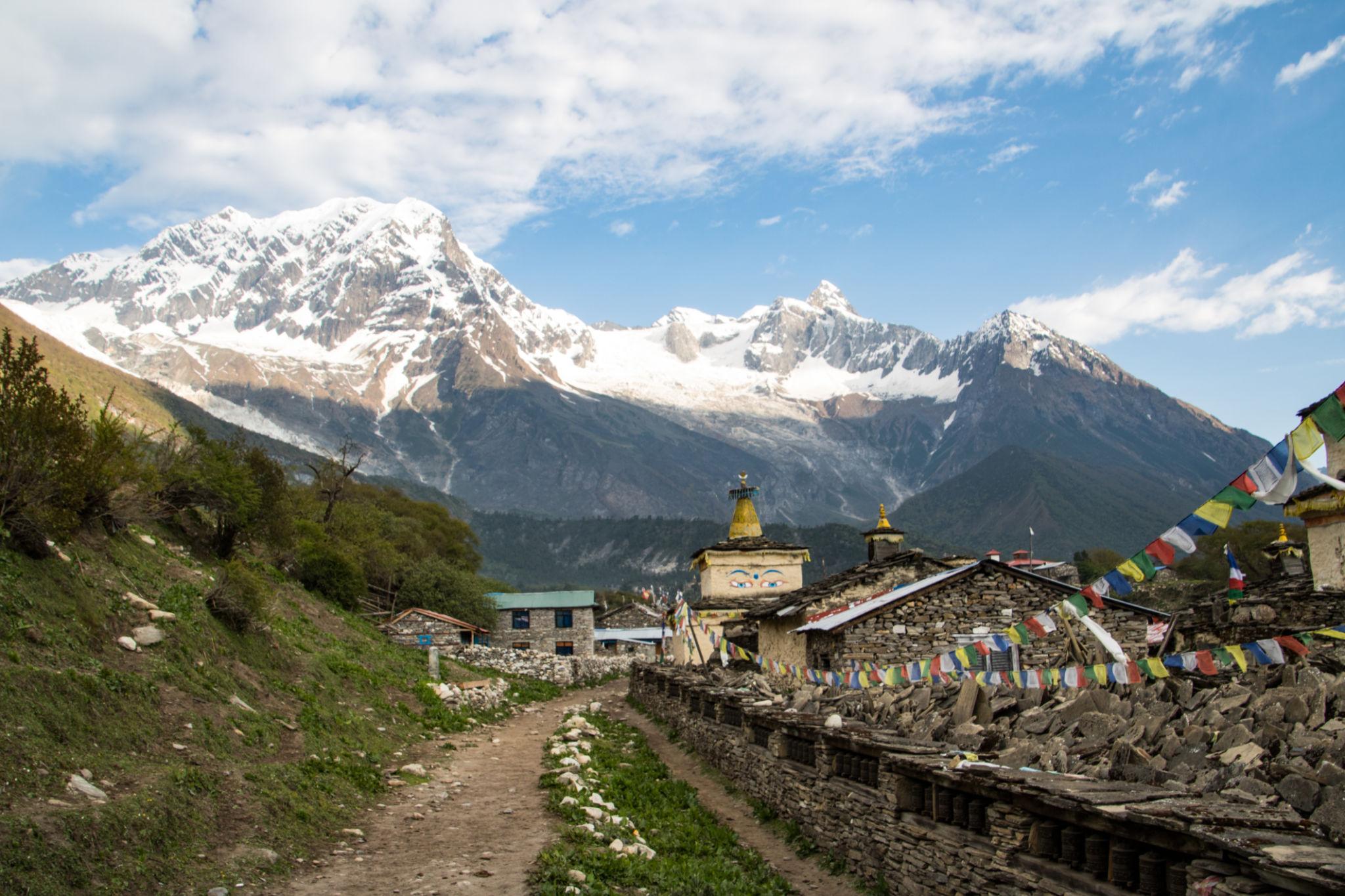
Manaslu Circuit Trekking is one of the most rewarding Himalayan adventures in Nepal. It takes trekkers through remote mountain villages, beautiful forests, traditional Buddhist settlements, and spectacular Himalayan landscapes. The journey circles Mount Manaslu (8,163 m), the world’s eighth-highest mountain, and crosses the challenging Larkya La Pass at approximately 5,106 m.
Unlike some of Nepal’s busier trekking destinations, the Manaslu region offers a quieter and more traditional trekking experience. Trekkers follow the Budhi Gandaki River through deep valleys before reaching the high-altitude settlements of Samagaun and Samdo. Along the way, they experience local hospitality, ancient monasteries, mountain scenery, and diverse landscapes.
The Manaslu Circuit Trek is ideal for adventure travelers who enjoy challenging trails and authentic cultural experiences. However, its remote location, changing weather, and high-altitude sections require proper preparation.
Whether you are planning your first Himalayan adventure or looking for an alternative to the Everest Base Camp and Annapurna Circuit treks, Manaslu offers an unforgettable experience. This complete guide explains everything you need to know, including the itinerary, permits, cost, difficulty, accommodation, best seasons, and essential trekking preparations.
Manaslu Circuit Trekking at a Glance
Before planning your journey, understand the essential details of the Manaslu Circuit Trek. These details help you estimate the required time, physical preparation, and overall travel arrangements.
| Trekking information | Details |
| Destination | Manaslu Region, Nepal |
| Mountain | Mount Manaslu (8,163 m) |
| Trekking duration | Approximately 14–18 days |
| Trekking difficulty | Challenging |
| Highest point | Larkya La Pass (approximately 5,106 m) |
| Starting point | Machha Khola |
| Ending point | Dharapani |
| Trekking distance | Approximately 130–140 km on the core walking route, depending on route variations |
| Best seasons | Spring and autumn |
| Accommodation | Teahouses and mountain lodges |
| Transportation | Road transportation from Kathmandu |
| Major attraction | Larkya La Pass |
| Required permits | Manaslu Restricted Area Permit, MCAP, and ACAP |
| Trekking style | Guided teahouse trekking |
| Cultural experience | Tibetan-influenced Himalayan communities |
The actual duration and distance depend on the selected itinerary, transportation arrangements, acclimatization days, and optional side trips.
Where Is Manaslu Circuit Trek Located?
The Manaslu Circuit Trek is located in the Gorkha District of north-central Nepal, within the Manaslu Conservation Area. The region lies in the western Himalayan range and surrounds Mount Manaslu, which rises to 8,163 m above sea level.
The trekking route follows the Budhi Gandaki River through narrow valleys, forests, suspension bridges, and traditional settlements. As trekkers gain elevation, the landscape gradually changes from subtropical vegetation to alpine terrain and snow-covered mountain surroundings.
The Manaslu region is also known for its Tibetan-influenced culture. Villages such as Lho, Samagaun, and Samdo preserve traditional lifestyles, Buddhist monasteries, prayer flags, and distinctive Himalayan architecture.
The journey eventually crosses Larkya La Pass and descends toward the Marsyangdi Valley, where the route connects with the Annapurna trekking region at Dharapani.
How to Reach the Manaslu Circuit Trek Starting Point
Most Manaslu trekking itineraries begin with a road journey from Kathmandu to Machha Khola.
The drive passes through rural settlements, riverside landscapes, and mountain roads. Depending on road conditions, traffic, and transportation arrangements, the journey can take approximately 7–10 hours.
Travelers usually use private jeeps or shared transportation arranged through trekking agencies.
The road journey can be affected by rainfall, landslides, road construction, and seasonal conditions. It is advisable to allow flexibility in your travel schedule.
Why Choose Manaslu Circuit Trekking?
Manaslu Circuit Trekking combines Himalayan scenery, cultural exploration, remote mountain trails, and a challenging high-altitude adventure. It offers a different experience from many popular trekking routes in Nepal.
Here are some of the main reasons to choose this destination.
1. Spectacular Views of Mount Manaslu
Mount Manaslu dominates the surrounding Himalayan landscape. Standing at 8,163 m, it is the eighth-highest mountain in the world.
Trekkers enjoy impressive views of Manaslu and surrounding peaks from several locations along the route. Lho, Shyala, and Samagaun are particularly rewarding places for mountain photography and scenic exploration.
The changing mountain scenery makes the journey memorable throughout the trek.
2. Remote and Less Crowded Himalayan Trails
The Manaslu Circuit offers a more remote trekking experience than some of Nepal’s busiest trekking destinations.
Its restricted-area regulations and limited road access help preserve the character of the upper trekking region.
Trekkers walk through peaceful settlements, quiet valleys, and traditional mountain communities. This makes the route attractive to travelers seeking a less commercialized Himalayan experience.
3. Traditional Tibetan-influenced Culture
The upper Manaslu region has strong cultural connections with Tibetan Buddhist traditions.
Villages feature prayer wheels, monasteries, mani walls, chortens, and colorful prayer flags. These cultural elements reflect the region’s historical connections with Tibet.
Visitors can learn about local traditions while respecting religious customs and community practices.
4. Challenging Larkya La Pass Crossing
Larkya La Pass is one of the major highlights of Manaslu Circuit Trekking.
At approximately 5,106 m, it is the highest point of the standard circuit. Reaching the pass requires an early start, steady walking, and good physical preparation.
The summit rewards trekkers with impressive views of surrounding Himalayan peaks and glaciers.
5. Diverse Landscapes and Natural Beauty
The trekking route passes through several ecological zones.
Lower sections feature green hills, waterfalls, forests, and riverside trails. Higher elevations introduce alpine landscapes, rocky mountain paths, glaciers, and snow-covered surroundings.
This geographical diversity makes the Manaslu Circuit especially attractive to nature lovers and landscape photographers.
6. Authentic Teahouse Trekking Experience
Teahouses and local lodges provide accommodation throughout much of the established route.
Trekkers can enjoy traditional Nepali meals, warm dining areas, and the hospitality of mountain communities.
Staying in local lodges also creates opportunities to support small businesses in remote Himalayan settlements.
7. Opportunities for Side Trips
The Manaslu region offers several interesting side trips.
Popular options include Birendra Lake, Pungyen Gompa, and the Manaslu Base Camp viewpoint from Samagaun.
These excursions provide additional opportunities for acclimatization, photography, and cultural exploration.
Best Time for Manaslu Circuit Trekking
Choosing the right season is important for a safe and enjoyable Manaslu trekking experience.
Spring and autumn are generally the preferred seasons because they offer favorable trekking conditions. However, weather can change quickly at high elevations, especially around Larkya La Pass.
Manaslu Circuit Trek in Spring (March–May)
Spring is one of the most attractive seasons for Manaslu Circuit Trekking.
During this period, lower elevations become greener, forests begin to bloom, and mountain landscapes become increasingly colorful.
Advantages of spring trekking:
- Pleasant temperatures at lower elevations.
- Beautiful mountain scenery.
- Blooming rhododendron forests in suitable areas.
- Longer daylight hours.
- Opportunities for photography.
Snow can remain around higher elevations, particularly near Larkya La Pass. Trekkers should check trail conditions before departure.
Manaslu Circuit Trek in Autumn (September–November)
Autumn is another excellent season for the Manaslu Circuit.
After the monsoon, the atmosphere often becomes clearer, offering impressive mountain views. October and November are particularly popular among international trekkers.
Advantages of autumn trekking:
- Generally favorable weather.
- Clear Himalayan views.
- Comfortable daytime walking temperatures.
- Good conditions for photography.
- Traditional festivals in Nepal, depending on travel dates.
October can be a busy trekking month, so arranging permits and accommodation in advance is recommended.
Manaslu Circuit Trek in Winter (December–February)
Winter trekking presents additional challenges because temperatures drop significantly at higher elevations.
Snowfall can affect the Larkya La Pass crossing and may make certain sections difficult or temporarily inaccessible.
Winter trekking is more suitable for experienced trekkers with appropriate equipment and flexible schedules.
Manaslu Circuit Trek During Monsoon (June–August)
The monsoon season brings frequent rainfall to many parts of Nepal.
Lower sections of the Manaslu route may experience muddy trails, landslides, swollen rivers, and transportation disruptions.
Although the upper Himalayan region can experience different weather conditions, the overall route becomes less predictable.
For most travelers, spring and autumn are the better choices.
Manaslu Circuit Trek Difficulty and Fitness Requirements
The Manaslu Circuit Trek is considered a challenging high-altitude trekking adventure.
The difficulty comes from its long walking days, gradual elevation gain, remote location, changing weather, and demanding Larkya La Pass crossing.
Trekkers should be prepared to walk for approximately 5–8 hours on many trekking days. The pass-crossing day can take considerably longer, depending on weather, snow, pace, and individual fitness.
Is Manaslu Circuit Trek Suitable for Beginners?
Beginners with good physical fitness can consider the Manaslu Circuit Trek if they prepare properly and follow a suitable itinerary.
However, it is not an easy introductory hike.
Previous multi-day hiking experience is helpful because the route includes steep ascents, rocky trails, long descents, and high-altitude walking.
Beginners should consider:
- Completing regular physical training before departure.
- Choosing an itinerary with sufficient acclimatization.
- Trekking with an experienced licensed guide.
- Using appropriate trekking equipment.
- Allowing additional time for unexpected delays.
How Much Physical Training Is Required?
Start preparing approximately 8–12 weeks before your trek.
Focus on activities that improve endurance, strength, and cardiovascular fitness.
Recommended exercises include:
- Regular hiking and uphill walking.
- Stair climbing.
- Running or brisk walking.
- Squats and lunges.
- Core-strengthening exercises.
- Training with a weighted backpack.
Gradually increase your training intensity. The goal is to develop endurance for consecutive days of walking rather than achieving short bursts of speed.
Manaslu Circuit Trek Altitude and Acclimatization
Altitude is one of the most important considerations when planning Manaslu Circuit Trekking.
The route begins at a relatively low elevation and gradually climbs toward the high-altitude settlements of Samagaun, Samdo, and Dharamsala.
The highest point is Larkya La Pass at approximately 5,106 m.
As elevation increases, oxygen availability decreases. This can affect breathing, sleep, energy levels, and physical performance.
What Is the Highest Altitude of Manaslu Circuit Trek?
The highest point of the standard Manaslu Circuit Trek is Larkya La Pass, approximately 5,106 m above sea level.
Trekkers cross this pass between Dharamsala and Bimthang.
The crossing requires physical endurance and careful attention to weather and altitude-related symptoms.
Understanding Altitude Sickness
Acute Mountain Sickness (AMS) can affect people who ascend to high elevations too quickly.
Common symptoms include:
- Unusual fatigue.
- Loss of appetite.
- Difficulty sleeping.
Severe altitude illness can become life-threatening.
Trekkers should never ignore worsening symptoms or continue ascending when experiencing suspected altitude sickness.
How to Reduce the Risk of Altitude Sickness
Follow these important precautions:
- Ascend gradually and allow time for acclimatization.
- Include appropriate acclimatization days in your itinerary.
- Avoid excessive physical exertion during the initial days at altitude.
- Maintain regular food and fluid intake.
- Inform your guide about any unusual symptoms.
- Descend immediately when serious altitude illness is suspected.
- Follow advice from qualified medical professionals.
Proper acclimatization improves the chances of completing the trek safely, but it does not eliminate altitude-related risks.
Manaslu Circuit Trek Permits and Requirements
The Manaslu region includes restricted trekking areas and protected conservation zones. Therefore, trekkers must obtain the applicable permits before entering the route.
For the standard Manaslu Circuit, the main permits generally include:
1. Manaslu Restricted Area Permit (RAP)
The Manaslu Restricted Area Permit is required for access to the regulated sections of the Manaslu region.
Its fee varies according to the season and duration of the trek.
The permit is arranged through an eligible registered trekking agency.
2. Manaslu Conservation Area Permit (MCAP)
The Manaslu Conservation Area Permit supports conservation and management activities within the protected area.
Trekkers must obtain the required permit before entering the conservation area.
3. Annapurna Conservation Area Permit (ACAP)
The standard circuit descends toward Dharapani through the Annapurna Conservation Area.
Therefore, the applicable Annapurna Conservation Area Permit is also required.
What Are the Requirements for Manaslu Trek Permits?
The permit process generally involves:
- A valid passport.
- A valid Nepal visa for foreign visitors.
- Passport-sized photographs or digital photographs, as required.
- Trekking itinerary.
- Required permit applications.
- Registered trekking agency arrangements.
- A licensed trekking guide.
Important permit update: Nepal’s restricted-area trekking regulations have changed. Since March 2026, individual foreign trekkers have been allowed to obtain restricted-area permits when accompanied by a licensed guide and arranged through a registered trekking agency. The Department of Immigration also introduced a guide-to-trekker ratio of up to seven trekkers per guide under the reported revised rules.
Permit fees published by Nepal’s official tourism and immigration sources have not always been consistent. Therefore, confirm the applicable Manaslu permit rates and conditions directly with the Department of Immigration or your registered trekking agency before booking.
Larkya La Pass: The Major Highlight of Manaslu Trekking
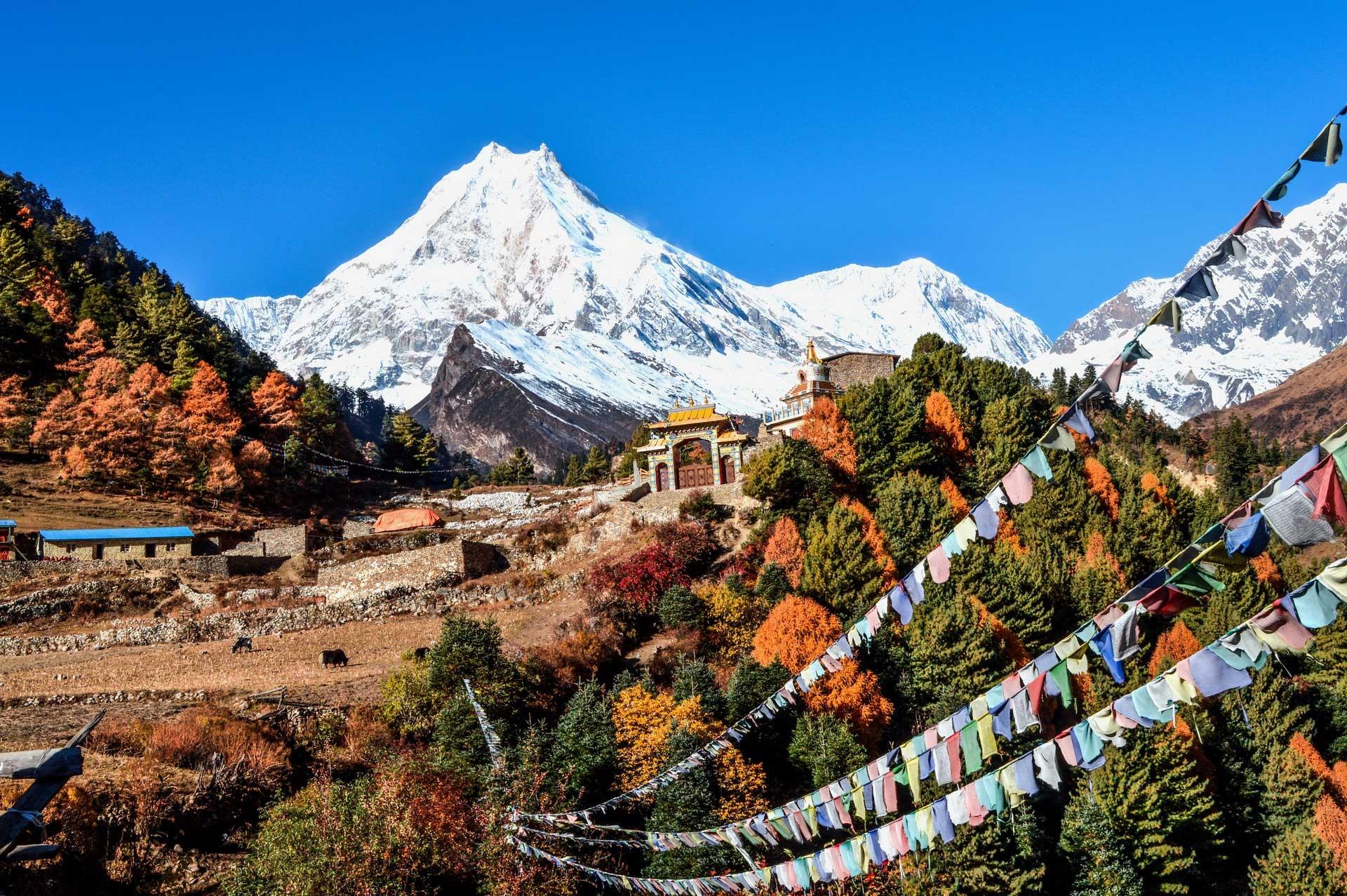
Larkya La Pass is the highest and most challenging section of the Manaslu Circuit Trek.
Located at approximately 5,106 m, the pass connects the Budhi Gandaki Valley with the Bimthang and Marsyangdi Valley side of the route.
The crossing is a major achievement for trekkers because it combines high-altitude walking, steep ascents, changing weather, and long-distance trekking.
What Makes Larkya La Pass Special?
The pass offers spectacular views of surrounding Himalayan peaks, glaciers, and rugged mountain landscapes.
Trekkers usually begin their crossing early in the morning from Dharamsala.
The trail gradually climbs toward the pass before descending toward Bimthang.
How Long Does It Take to Cross Larkya La Pass?
The crossing generally takes approximately 8–10 hours, although conditions and individual walking speed can change the duration.
The day requires an early start because afternoon weather can become less favorable.
Is Larkya La Pass Difficult?
Yes. The crossing is physically demanding because of the high elevation, cold temperatures, steep terrain, and long walking hours.
Trekkers should prepare with:
- Warm layered clothing.
- Waterproof trekking equipment.
- Proper trekking boots.
- Trekking poles.
- Sunglasses and sun protection.
- Sufficient drinking water and snacks.
Always follow your guide’s instructions and check the latest weather and snow conditions before attempting the pass.
Accommodation and Food During Manaslu Circuit Trekking
Accommodation and food are important parts of the Manaslu trekking experience.
Most established overnight stops along the route have local teahouses and lodges. These provide basic facilities for trekkers traveling through the region.
Teahouse Accommodation
Teahouses generally offer simple rooms with beds, mattresses, pillows, and blankets.
Bathrooms may be shared, especially in higher-altitude settlements.
Facilities can become more limited as trekkers move toward Dharamsala and other remote locations.
Some common facilities include:
- Basic twin-sharing rooms.
- Dining areas with heating in some lodges.
- Shared bathrooms.
- Charging facilities where available.
- Limited internet access.
- Hot showers at additional cost where available.
It is important to understand that accommodation standards vary between villages and individual lodges.
Food and Meals on the Manaslu Trek
Trekkers can find a variety of local and familiar meals along the route.
Common food options include:
- Dal Bhat (rice, lentils, and vegetables).
- Vegetable curry.
- Fried rice.
- Tibetan bread.
- Tea and coffee.
Dal Bhat is one of the most popular trekking meals because it provides carbohydrates, vegetables, and protein.
Food availability becomes more limited at higher elevations, so travelers should maintain realistic expectations.
Drinking Water During the Trek
Safe drinking water is essential during high-altitude trekking.
Trekkers can purchase bottled or boiled water where available. Carrying reusable bottles and water purification tablets or a suitable filter is a practical option.
Avoid drinking untreated water from rivers, streams, or other natural sources.
Manaslu Circuit Trek Cost and Package Information
The total cost of Manaslu Circuit Trekking depends on several factors, including trek duration, group size, permits, transportation, accommodation, meals, and guide services.
The cost also varies according to whether you choose a private trekking arrangement or join an organized group.
Main Factors Affecting Manaslu Circuit Trek Cost
- Trekking Permits
Restricted-area and conservation-area permits are necessary expenses.
- Transportation
Road transportation from Kathmandu to Machha Khola and the return journey from Dharapani can affect the overall budget.
- Guide and Porter Services
Licensed guides provide route assistance, cultural information, logistical support, and help with safety decisions. Porter services can reduce the physical burden of carrying equipment.
- Accommodation
Teahouse accommodation is generally basic. Room availability and facilities vary by location and season.
- Food and Drinks
The total food budget depends on the number of trekking days and individual preferences.
- Travel Insurance
Travelers should arrange insurance that specifically covers high-altitude trekking and emergency helicopter evacuation at the elevations relevant to their itinerary.
Private Trek vs Group Joining Trek
A private trek provides more flexibility in terms of pace, departure dates, and personal arrangements.
A group joining trek allows travelers to share certain expenses and experience the journey with other participants.
Both options can offer a rewarding trekking experience when properly organized.
Planning your Manaslu adventure? Explore our Manaslu Circuit Trek package or contact our trekking team for a personalized itinerary, current permit information, and a detailed quotation.
Major Attractions and Places Along the Manaslu Circuit
The Manaslu region offers a combination of natural beauty, traditional settlements, religious sites, and impressive mountain viewpoints.
Here are some of the major attractions along the route.
1. Machha Khola
Machha Khola is the traditional starting point of the Manaslu Circuit walking route.
Located beside the Budhi Gandaki River, it marks the beginning of the journey into the remote Himalayan region.
2. Jagat
Jagat is an important settlement along the trekking route.
The village features traditional houses, local lodges, and beautiful surrounding landscapes. It is also an important checkpoint area for trekking permits.
3. Deng
Deng is a small mountain village surrounded by steep hills and forests.
The trail toward Deng introduces trekkers to the quieter landscapes of the upper Budhi Gandaki Valley.
4. Namrung
Namrung is a traditional settlement with beautiful Himalayan surroundings.
It is a rewarding place to experience local culture and enjoy views of nearby mountain peaks.
5. Lho Village
Lho is known for its Buddhist cultural heritage and mountain scenery.
The village offers beautiful views of Mount Manaslu and surrounding Himalayan landscapes. Its monastery is one of the important cultural attractions in this section.
6. Samagaun
Samagaun is one of the most significant settlements on the Manaslu Circuit.
Located at approximately 3,530 m, it is an important acclimatization stop.
The village also serves as a starting point for excursions to Birendra Lake, Pungyen Gompa, and Manaslu Base Camp.
7. Birendra Lake
Birendra Lake is a beautiful glacial lake near Samagaun.
Surrounded by impressive mountain scenery, it is a popular side-trip destination for trekkers spending an acclimatization day in the village.
8. Pungyen Gompa
Pungyen Gompa is a traditional Buddhist monastery located above Samagaun.
The excursion offers impressive views of surrounding mountains and an opportunity to experience the region’s religious heritage.
The hike requires additional time and should be planned according to weather and acclimatization needs.
9. Samdo
Samdo is a high-altitude settlement near the Tibetan border region.
Its traditional architecture and mountain surroundings make it an interesting place to explore.
Trekkers generally spend additional time here to prepare for the higher elevations ahead.
10. Dharamsala
Dharamsala, also called Larkya Phedi, is the overnight stop before the Larkya La Pass crossing.
Located at approximately 4,460 m, it is an important staging point for the most demanding day of the circuit.
11. Bimthang
Bimthang is a scenic settlement reached after crossing Larkya La Pass.
The surrounding landscape features glaciers, alpine meadows, and spectacular Himalayan views.
It offers a rewarding place to rest after the challenging pass crossing.
Culture, Traditions, and Local Lifestyle
The Manaslu region is culturally rich and offers a fascinating glimpse into traditional Himalayan life.
Many communities in the upper region have strong Tibetan cultural influences. Their traditions, architecture, religious practices, and daily activities reflect generations of mountain living.
Tibetan Buddhist Heritage
Buddhism plays an important role in many communities along the upper Manaslu route.
Monasteries, prayer wheels, mani walls, and chortens can be seen throughout the region.
Visitors should respect religious customs and follow local guidance when entering monasteries or other sacred places.
Traditional Himalayan Villages
Settlements such as Lho, Samagaun, and Samdo preserve traditional architectural styles.
Stone houses, wooden structures, agricultural fields, and local lodges reflect the lifestyle of mountain communities.
Local Food and Hospitality
Local teahouses provide opportunities to experience traditional Nepali and Himalayan food.
Dal Bhat, noodle soups, potatoes, and Tibetan-influenced dishes are common options.
The hospitality of local communities is an important part of the overall trekking experience.
Manaslu Circuit Trek Packing List
Packing the right equipment helps trekkers remain comfortable and prepared for changing weather conditions.
The temperature can vary significantly between lower valleys and high-altitude sections. Therefore, a layered clothing system is recommended.
Clothing
- Thermal base layers.
- Fleece jacket.
- Insulated down jacket.
- Waterproof and windproof jacket.
- Trekking pants.
- Warm trousers.
- Waterproof trousers.
- Woolen hat.
- Sun hat.
- Comfortable trekking socks.
Footwear
- Waterproof trekking boots.
- Comfortable camp footwear.
- Extra pairs of trekking socks.
Trekking Equipment
- 40–50-liter backpack, depending on porter arrangements.
- Sleeping bag suitable for expected temperatures.
- Trekking poles.
- Water bottles.
- Backpack rain cover.
Personal Items
- Lip balm.
- Quick-drying towel.
- Personal medications.
- Basic first aid supplies.
- Water purification tablets or filter.
Important Documents
- Nepal visa.
- Trekking permits.
- Travel insurance documents.
- Emergency contact details.
- Copies of important travel documents.
Always check the expected weather and equipment requirements with your trekking agency before departure.
Safety Tips for Manaslu Circuit Trekking
Safety should remain a priority throughout the Manaslu Circuit Trek.
The route passes through remote mountain areas where medical facilities and transportation options are limited. Proper planning and responsible decisions are essential.
Follow these important safety recommendations.
- Choose a licensed trekking guide: A knowledgeable guide can assist with navigation, local arrangements, and safety decisions.
- Follow a gradual itinerary: Avoid rushing through high-altitude sections.
- Understand altitude sickness: Recognize common symptoms and communicate any concerns immediately.
- Check weather conditions: Pay particular attention to forecasts before crossing Larkya La Pass.
- Use appropriate equipment: Proper boots, warm clothing, and trekking poles improve comfort and stability.
- Arrange suitable insurance: Confirm that your policy covers high-altitude trekking and emergency evacuation.
- Carry essential medication: Bring personal medications and a suitable first aid kit.
- Stay hydrated: Drink safe water regularly and maintain adequate nutrition.
- Follow local instructions: Respect your guide’s advice and any temporary trail restrictions.
- Allow contingency time: Road conditions, weather, and unexpected health issues can affect your itinerary.
Remember that reaching the destination is less important than completing the journey safely.
Manaslu Circuit Trek vs Other Popular Treks in Nepal
Nepal offers several outstanding trekking destinations. Choosing the right one depends on your fitness, available time, travel interests, and preferred trekking experience.
Here is how the Manaslu Circuit compares with other popular routes.
Manaslu Circuit Trek vs Annapurna Circuit Trek
Both treks offer spectacular Himalayan landscapes and traditional mountain settlements.
However, the Manaslu Circuit provides a more remote trekking experience and includes restricted-area permit requirements.
The Annapurna Circuit has more developed infrastructure and greater road access along parts of the route.
Choose Manaslu if you prefer remote trails and a quieter cultural experience. Choose Annapurna if you prefer a more developed trekking route with greater flexibility.
Manaslu Circuit Trek vs Everest Base Camp Trek
The Everest Base Camp Trek focuses on reaching the base camp of Mount Everest and exploring the Khumbu region.
Manaslu Circuit Trekking follows a circular route around Mount Manaslu and includes the challenging Larkya La Pass crossing.
Both are high-altitude adventures, but they offer different cultural and geographical experiences.
Choose Manaslu for a remote circuit trek. Choose Everest Base Camp for the experience of visiting the world’s most famous mountaineering region.
Manaslu Circuit Trek vs Langtang Valley Trek
Langtang Valley Trek is generally shorter and more accessible from Kathmandu.
The Manaslu Circuit is longer and involves a higher mountain pass crossing.
Langtang is a good option for travelers with limited time, while Manaslu is more suitable for those seeking an extended and challenging adventure.
Manaslu Circuit Trek vs Upper Mustang Trek
Upper Mustang is known for its arid landscapes, ancient settlements, and Tibetan-influenced culture.
Manaslu offers more varied landscapes, including forests, river valleys, glaciers, and alpine mountains.
Both destinations provide fascinating cultural experiences but have different landscapes and trekking requirements.
Responsible and Sustainable Tourism in the Manaslu Region
The Manaslu region is home to valuable ecosystems, traditional communities, and culturally significant sites.
Responsible tourism helps preserve these resources while supporting local livelihoods.
Trekkers can contribute by following simple practices:
- Carry reusable water bottles.
- Avoid single-use plastics.
- Dispose of waste responsibly.
- Respect local customs and religious sites.
- Support locally owned teahouses.
- Use licensed local guides.
- Respect wildlife and natural habitats.
- Follow conservation guidelines.
- Avoid damaging vegetation or disturbing animals.
Responsible trekking helps protect the natural and cultural heritage of the Manaslu region for future generations.
Who Should Choose Manaslu Circuit Trekking?
Manaslu Circuit Trekking is a suitable choice for travelers seeking an authentic and challenging Himalayan experience.
It is particularly attractive to:
Experienced trekkers: Those who enjoy multi-day hiking, steep mountain trails, and high-altitude adventures.
Adventure travelers: People looking for remote destinations and challenging trekking experiences.
Nature enthusiasts: Travelers interested in mountain landscapes, forests, glaciers, and diverse ecosystems.
Photography enthusiasts: Visitors who want to capture traditional villages, Himalayan peaks, monasteries, and changing landscapes.
Cultural explorers: Travelers interested in Tibetan-influenced traditions and traditional Himalayan communities.
Physically prepared beginners: New trekkers with good fitness, appropriate preparation, and a carefully planned itinerary may also consider the route.
However, travelers with limited hiking experience, insufficient preparation, or medical concerns should seek appropriate professional advice before attempting this challenging trek.
Frequently Asked Questions About Manaslu Circuit Trekking
1. How many days does Manaslu Circuit Trekking take?
Manaslu Circuit Trekking generally takes around 14–18 days, including travel, acclimatization, and trekking. The exact duration depends on your starting point, selected itinerary, transportation, and optional side trips.
2. How much does Manaslu Circuit Trek cost?
The cost depends on permits, guide and porter services, transportation, accommodation, meals, and trekking duration. Private and group joining packages also have different pricing structures. Request a detailed quotation to understand the total cost.
3. Is Manaslu Circuit Trek difficult?
Yes. Manaslu Circuit Trek is considered challenging because of its long walking days, high altitude, remote trails, and Larkya La Pass crossing. Good physical fitness and proper acclimatization are important.
4. What is the highest altitude of Manaslu Circuit Trek?
The highest point is Larkya La Pass, approximately 5,106 m above sea level. Trekkers cross the pass between Dharamsala and Bimthang.
5. When is the best time for Manaslu Circuit Trekking?
Spring (March–May) and autumn (September–November) are generally the best seasons. October and November are particularly popular because of favorable trekking conditions and clear mountain views.
6. Do I need a guide for Manaslu Circuit Trek?
Yes, restricted-area trekking regulations require a licensed guide and arrangements through a registered trekking agency. Individual foreign trekkers can now obtain permits under the revised 2026 rules, subject to these requirements.
7. Can beginners do Manaslu Circuit Trek?
Beginners with good physical fitness and proper preparation can consider the trek. However, it is a challenging high-altitude route. Previous hiking experience and a suitable acclimatization schedule are highly beneficial.
8. What permits are required for Manaslu Trek?
The standard Manaslu Circuit generally requires the Manaslu Restricted Area Permit, Manaslu Conservation Area Permit, and Annapurna Conservation Area Permit. Requirements and fees should be confirmed before departure.
9. How long does it take to cross Larkya La Pass?
The crossing generally takes around 8–10 hours from Dharamsala to Bimthang. Weather, snow conditions, altitude, and walking speed can affect the total time.
10. Is Manaslu Circuit Trek harder than Annapurna Circuit?
Manaslu is generally considered more remote and logistically demanding. Both treks involve high-altitude walking and challenging mountain sections. The actual difficulty depends on the itinerary, weather, acclimatization, and individual fitness.
11. Is there internet access during Manaslu Trek?
Internet access is available in some teahouses and villages, but connectivity can be limited or unreliable. Trekkers should not depend on continuous internet access throughout the route.
12. What type of accommodation is available?
Most accommodation consists of basic teahouses and mountain lodges. Facilities generally include beds and dining areas, while bathrooms and hot showers may be shared or limited.
13. What should I pack for Manaslu Circuit Trek?
Essential items include layered clothing, insulated jackets, waterproof trekking boots, a sleeping bag, trekking poles, sunglasses, sunscreen, personal medication, and water purification supplies.
14. Is travel insurance necessary for Manaslu Trek?
Travel insurance is strongly recommended. Choose a policy that specifically covers high-altitude trekking at your maximum planned elevation and emergency helicopter evacuation.
15. Can I combine Manaslu Circuit Trek with Ts um Valley Trek?
Yes. Ts um Valley can be combined with the Manaslu Circuit through an extended itinerary. This requires additional time, appropriate restricted-area permits, and suitable acclimatization arrangements.
Final Thoughts: Is Manaslu Circuit Trekking Worth It?
Manaslu Circuit Trekking is an unforgettable Himalayan adventure for travelers seeking natural beauty, cultural exploration, and challenging mountain trails. From the green valleys of the Budhi Gandaki River to the traditional settlements of Samagaun and Samdo, every section offers a different perspective of Nepal’s mountain life.
The highlight of the journey is crossing Larkya La Pass, where trekkers experience impressive high-altitude landscapes and panoramic Himalayan views. Although the trek requires good preparation, proper acclimatization, and suitable equipment, the experience makes the effort worthwhile.
If you are planning a trekking adventure in Nepal, the Manaslu Circuit is an excellent destination to consider. Choose a suitable itinerary, understand the permit requirements, and travel with experienced local professionals.
Ready to explore the Manaslu Himalayas? Contact our trekking team to plan your Manaslu Circuit adventure and receive a customized itinerary, package details, and booking assistance.
Related Blogs
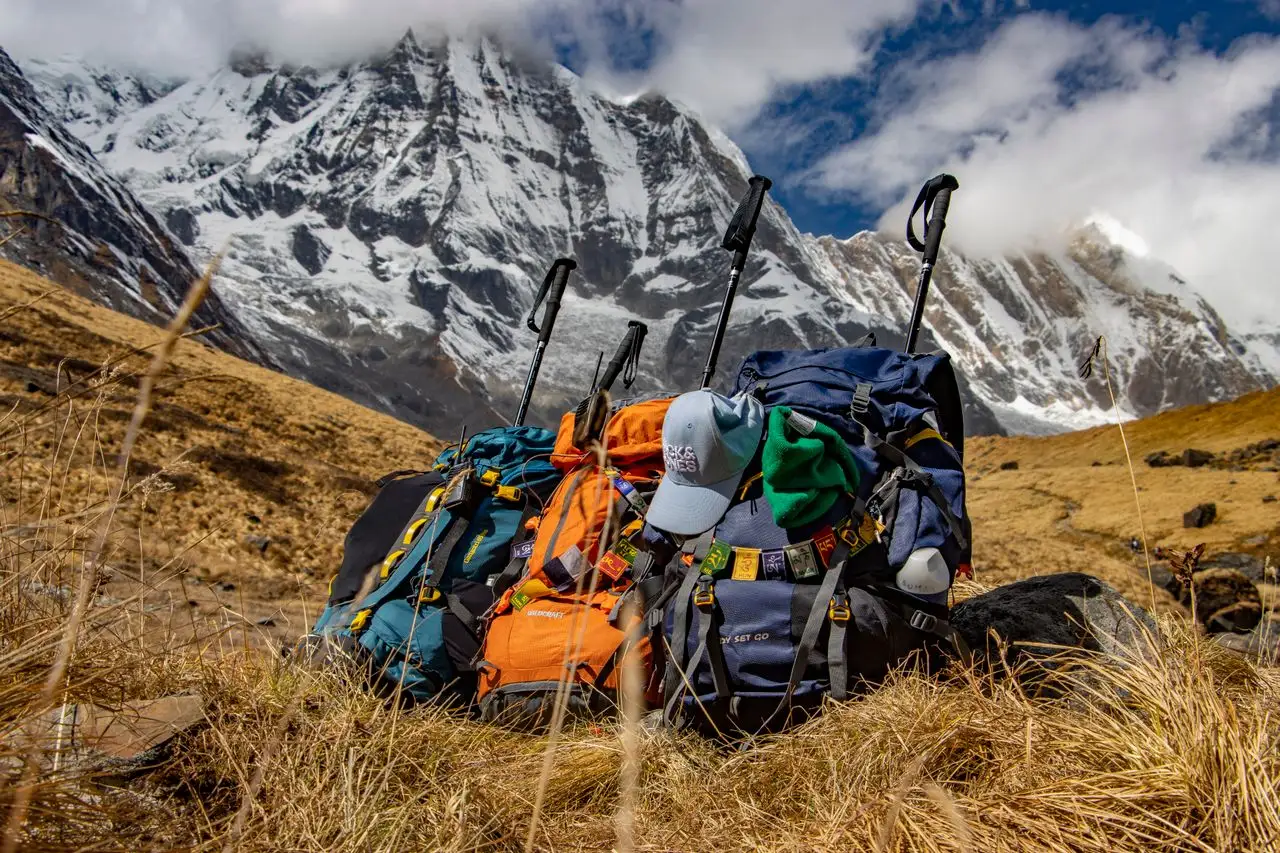
Manaslu Circuit Trek Packing List: Complete Guide to What to Pack
The Manaslu Circuit Trek packing list should prepare you for everything from warm, humid valleys to cold, high-altitude mountain...
Best Time for Manaslu Circuit Trek: Weather & Monthly Guide
The best time for Manaslu Circuit Trek is generally during spring (March to May) and autumn (September to November)....
Mardi Himal Trek Solo A Complete Guide for Solo Travelers
The Mardi Himal Trek is one of the most beautiful short treks in Nepal. It takes you through green...
For Queries & Reservations
Travelling with us is flexible, freedom and fun.
We deliver exceptional products at a very good price for you, but not at the cost of the environment or our social responsibilities “travel Responsibly”