
- Trip Style: Tibet
- Ways to Travel: Finding Shangri-La in Tibet and Nepal
- Activities: Culture
- Group Size: 2-15
- High Altitude 6530 m

Trip Overview
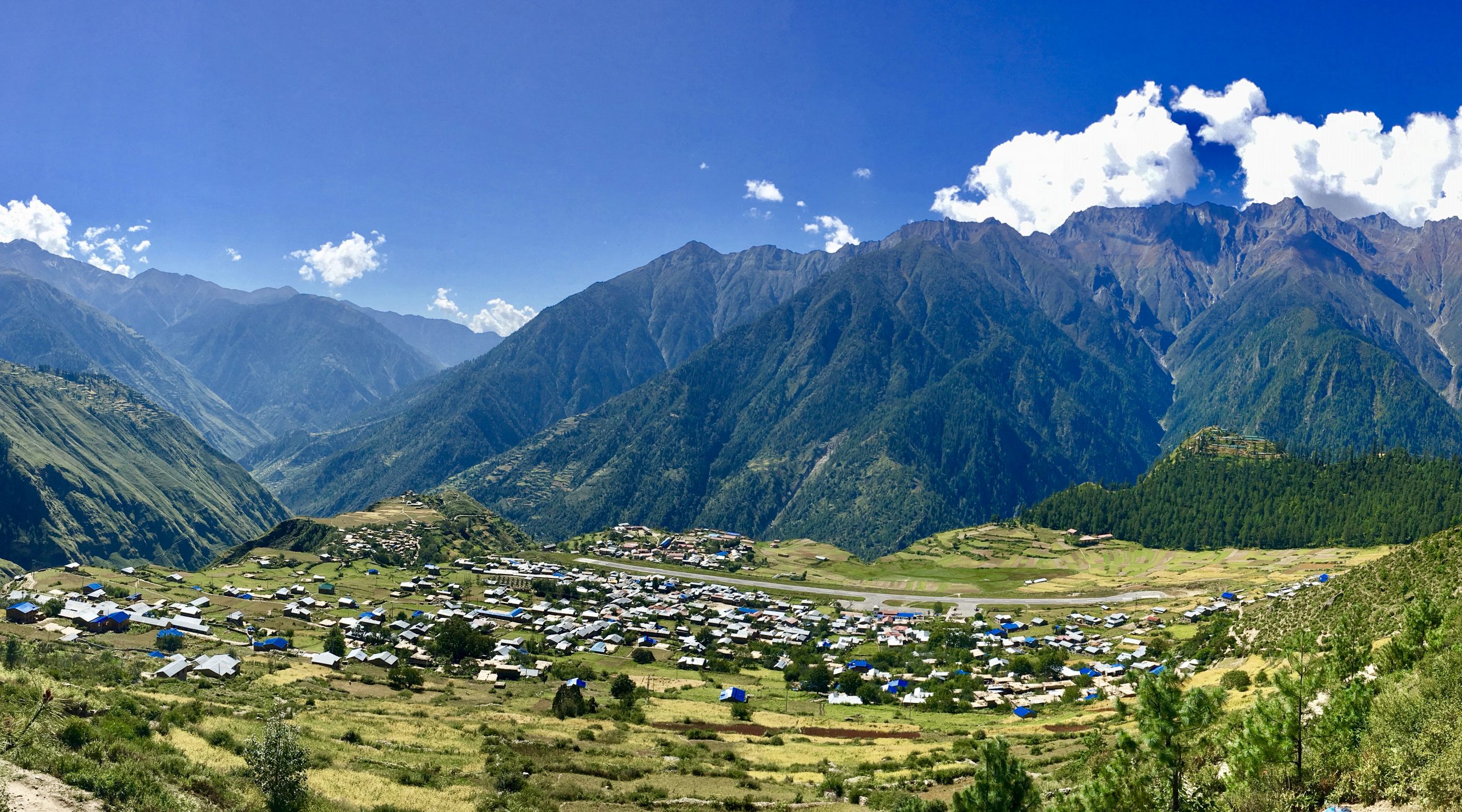
Simikot-Kailash-Everest North Face with Central Tibet Tour, once-in-a-lifetime journey to Kailash begins in the fabled district of Humla, located in the remote far western corner of Nepal. From here we begin our five-day trek to the Tibetan border through the remote Humla, a place classed by many as the modern day Shangri-la. Here the inhabitants are predominantly Bhotias, of Tibetan descent.
This wild Central Tibet Tour, a remote trek, takes us deep within a region of truly unspoiled natural beauty; here, a diverse culture exists where people, nature, and an abundance of rare wildlife exist in harmony. The path we will follow is of the ancient Silk trade route, where old men with weathered, Central Asian faces, still to this day trade, supported by their trains of mules, horses & sheep. Here, the men sit smoking a hookah & the women of Rajasthani descent adorn themselves in mirrors and silver coins, the Bhotias, in their turquoise, coral, and amber necklaces.
In this swath of the Trans-Himalayan plateau, the mountain scenery is spectacular; the Saipal and Nalakankad range is never far away with its dominating presence over the nearby horizons. This is one of the few remaining places where the Tibetan culture stills exists in its pure form, a form untainted by the Chinese occupation which has otherwise affected much of Tibet.
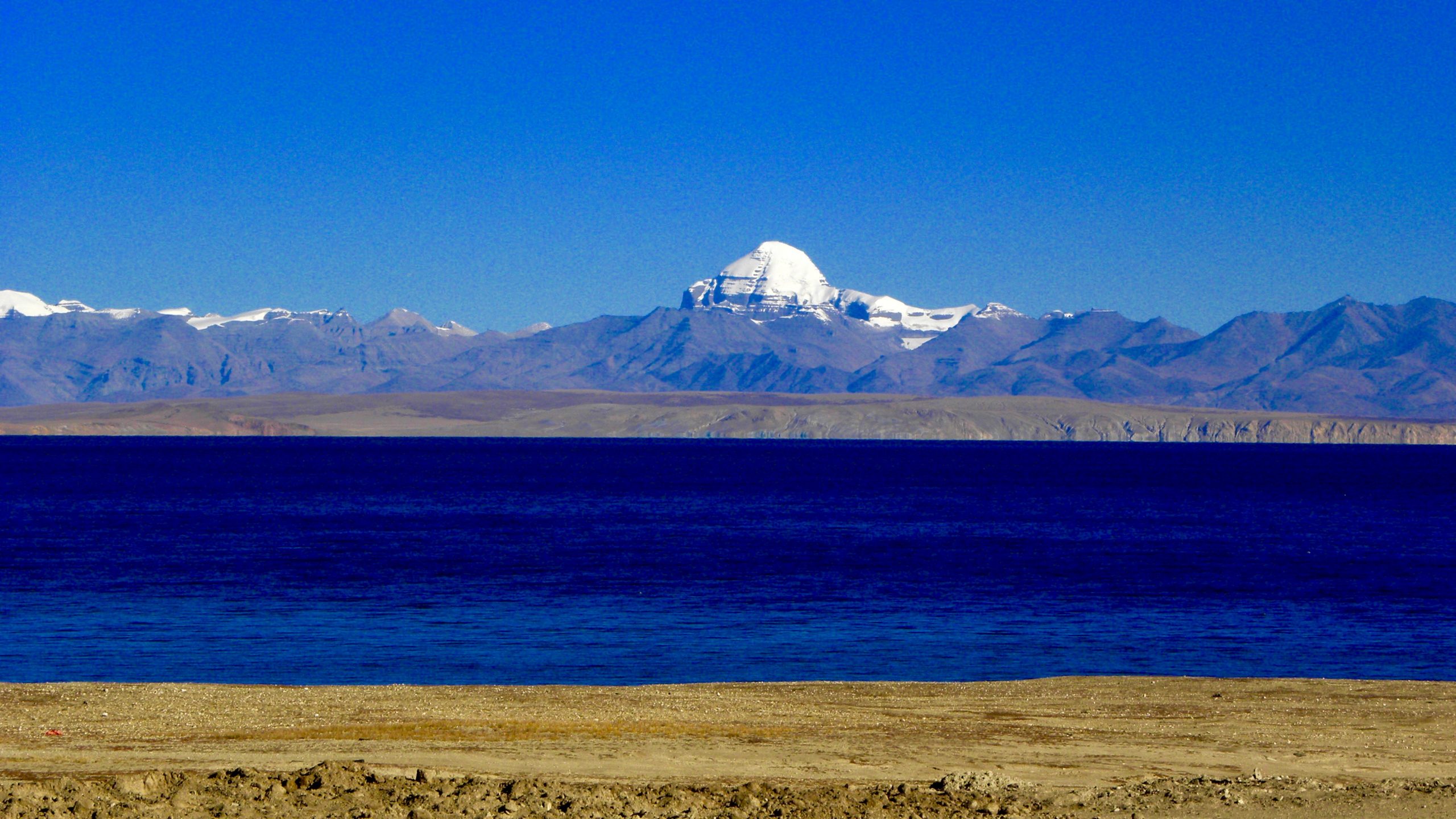
The Kailash Kora, in the high plateaus of the Ngari region in western Tibet, is one of the most spectacular short treks in the Himalaya, crossing the Dolma La (5,600 m) to erase the sins of a lifetime. Camping beneath the north face of Kailash, we complete the trek with a myriad of Tibetan & Indian pilgrims who have travelled through harsh conditions and over long distances to acquire merit. Heading East across the Tibetan plateau over high passes, we arrive at a truly awe-inspiring place, the true gem of Tibet – Mt Everest. It truly is an awe-inspiring experience to stand beneath the mighty North Face of this, the world’s highest mountain, and one can’t help but be humbled by its dominating presence. Nowhere is the view of Mt Everest as spectacular as it is from right here.
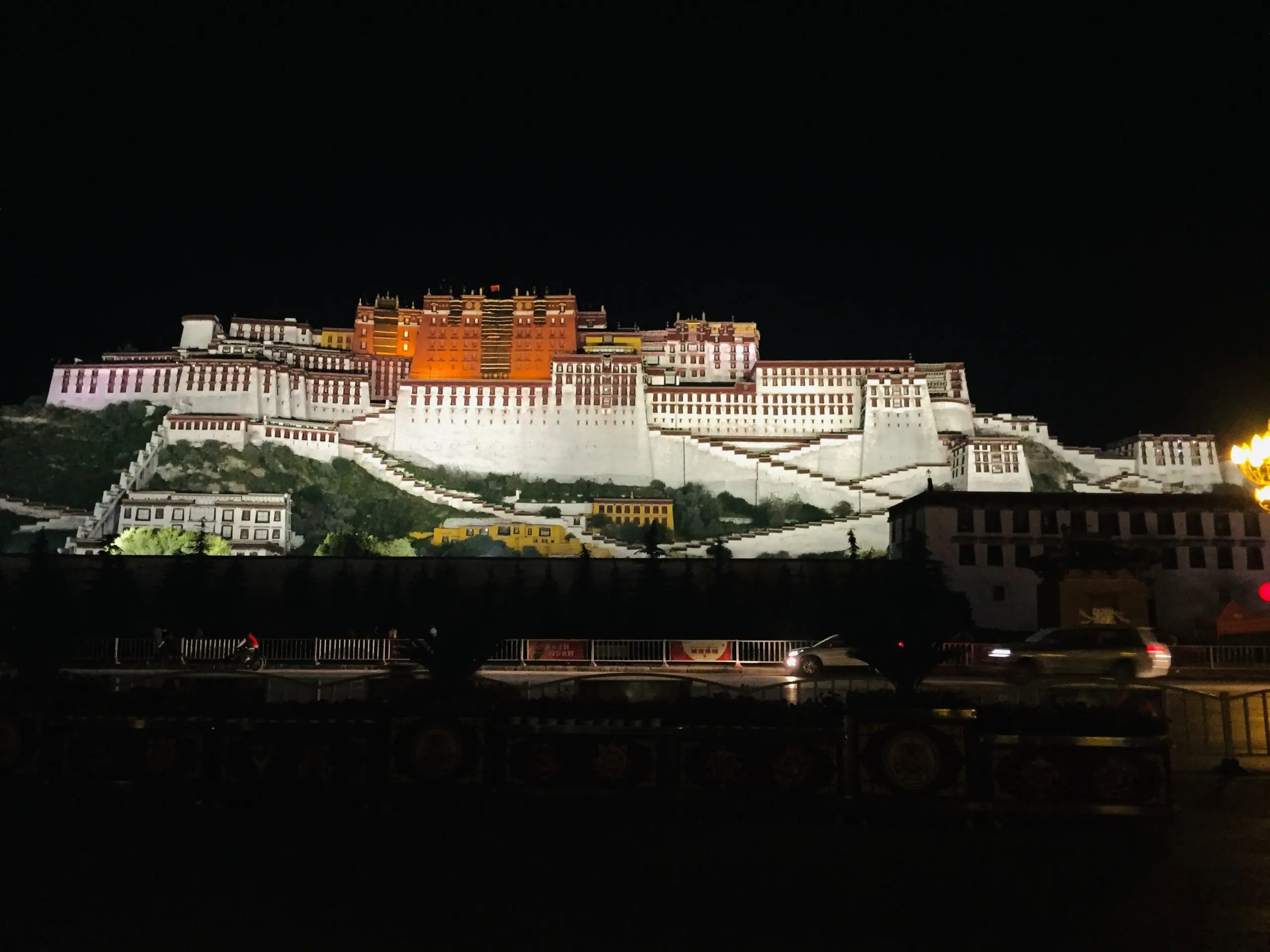
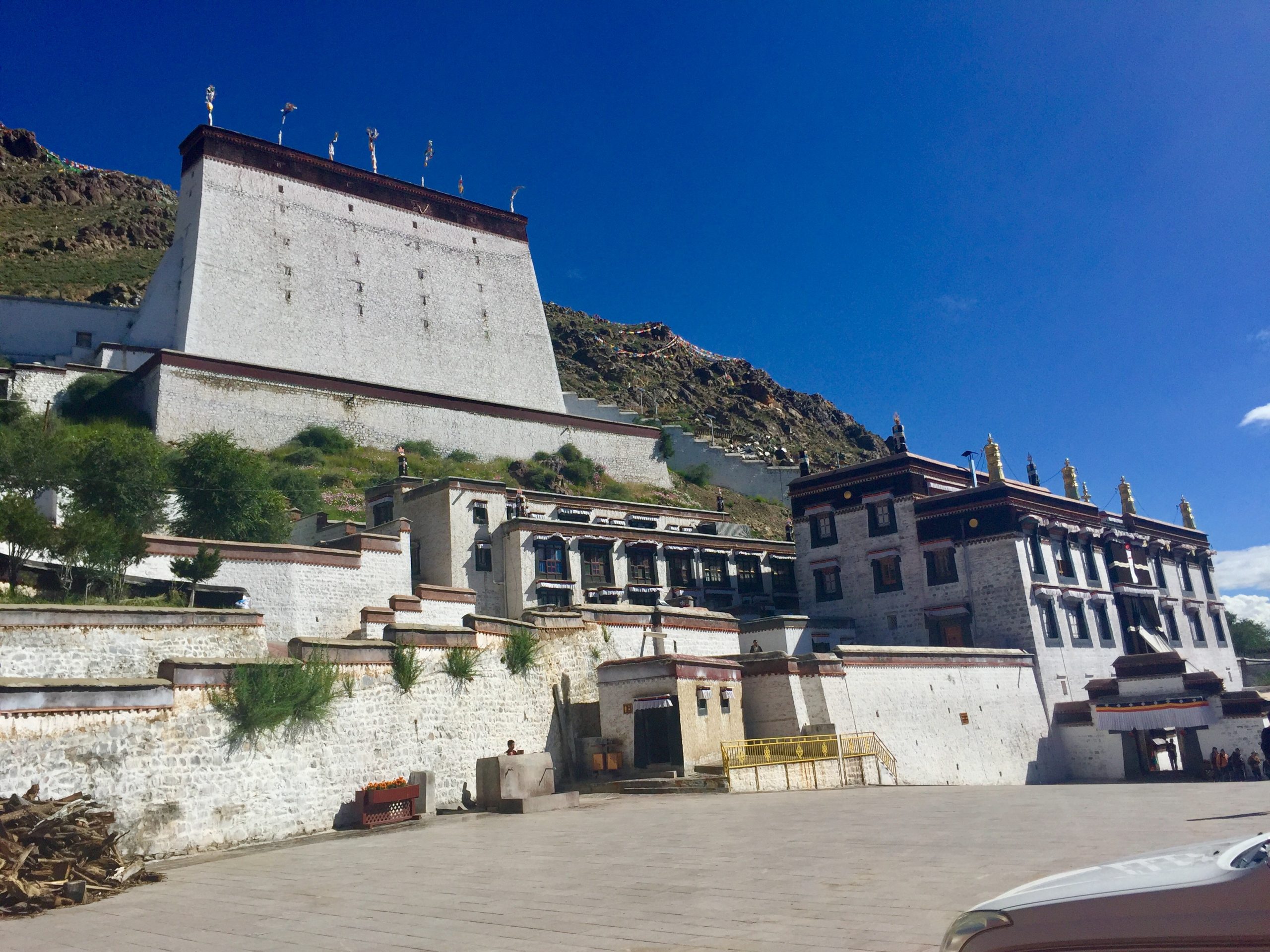
Central Tibet Tour, with plenty of trekking, a bit of exploring, and some good karma under our belts, we embark on an epic cross-Tibet jeep expedition via the scenic southern route, thus seeing much of far-western Tibet and the Himalayan range en route. We visit the Menri monastery, resplendent gompa of Tashilhunpo in Shigatse, and finally arrive at the exotic capital of Lhasa, where we explore this history-laden city and its ancient gompas and palaces. Enjoy Nepal Travel with Responsible Treks and get to know about the beauty of Nepal, Bhutan, and Tibet.

Best Time to Travel to Central Tibet Tour
The best time to travel to Tibet is from April to October, when the weather is stable, skies are clear, and mountain views are at their best. Spring (April–May) and autumn (September–October) offer comfortable temperatures and fewer crowds, making it ideal for cultural sightseeing in Lhasa and visits to iconic landmarks like Potala Palace.
Summer (June–August) is warmer and greener, perfect for exploring high-altitude lakes and Everest views, though occasional rainfall may occur. Winter travel is possible with fewer tourists, but temperatures drop significantly.
Central Tibet Tour Altitude Sickness & Travel Tips
Most areas of Central Tibet sit above 3,500 meters, including Lhasa, so altitude sickness (AMS) is a key concern. Travelers may experience mild symptoms like headache, fatigue, or shortness of breath during the first few days.
Travel Tips:
- Spend 2–3 days acclimatizing upon arrival.
- Drink plenty of water and avoid alcohol.
- Walk slowly and avoid heavy exertion initially.
- Consider consulting your doctor before travel.
Proper acclimatization ensures a safe and enjoyable Tibet experience.
Cultural Insights & Responsible Travel Practices
Tibet is deeply rooted in Buddhist traditions, and respect for local customs is essential. When visiting monasteries such as Jokhang Temple, dress modestly and walk clockwise around religious sites. Always ask permission before photographing monks or locals.
Responsible travel practices include:
- Supporting local Tibetan businesses and guides
- Avoiding single-use plastics
- Respecting sacred sites and natural landscapes
Traveling responsibly helps preserve Tibet’s unique culture and fragile Himalayan environment for future generations.
Permit Info – China/Tibet Visa Regulations
Travel to Tibet requires special permits in addition to a Chinese visa. All foreign travelers must obtain:
- A Chinese Tourist Visa
- A Tibet Travel Permit (issued through a registered travel agency)
- Additional permits for restricted areas near Mount Everest or border regions
Independent travel is not allowed; you must book through a licensed Tibet tour operator. Permit processing usually takes 10–15 working days, so early booking is strongly recommended.

 Trip HIghlights
 Detailed Itinerary
 Inclusions & Details
 Date & Price
 Trip Review
 Faqs
Faqs
 Travel Videos
For Queries & Reservations
Travelling with us is flexible, freedom and fun.
We deliver exceptional products at a very good price for you, but not at the cost of the environment or our social responsibilities “travel Responsibly”