

Lapchi Valley Trek: A Complete Guide to Nepal’s Sacred Hidden Valley
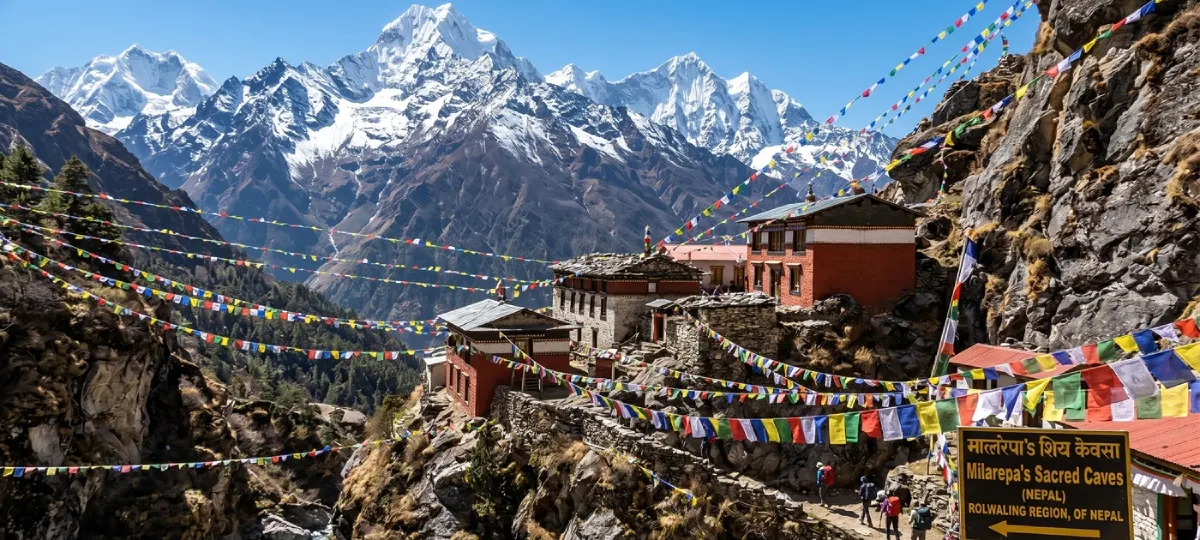
One of Nepal’s holiest and least explored trekking ventures is the Lapchi Valley Trek. Nestled in the secluded Himalayan peaks of the Dolakha district in proximity to Tibet, Lapchi Valley has the unique feature of providing a balance of spirituality, adventure, and majestic views of the Himalayan ranges. Unlike the popular and overcrowded trekking destinations like the trails of Everest and Annapurna, this trek will take you through a serene valley that is dotted with old monasteries, meditation caves, and waterfalls.
Lapchi Valley has always been an important site for the Tibetan Buddhists since time immemorial. The valley holds special significance in relation to the great Tibetan sage and yogi Milarepa, who did his meditation at Lapchi Valley and attained enlightenment there. Lapchi Valley has thus become a pilgrimage destination not only for its spiritual significance but also for its natural splendor.
Whatever you may be looking for, spirituality, culture, or adventure, this trek is surely going to make your dream come true.
What is the Lapchi Valley Trek?
Lapchi Valley Trek is a trekking trail that lies in northeastern Nepal close to the Tibetan border. The Lapchi Valley Trek traverses old pilgrimage routes passing through forests, mountain villages, rivers, and Buddhist holy sites all the way to the spiritual Lapchi Valley.
Lapchi Valley Trek is alternatively known as Lapchi Kang Trek due to its proximity to the Lapchi Kang mountain range. The trek is popularly known among Buddhist pilgrims as Lapchi Kang Pilgrimage Tour due to the thousands who make pilgrimage to the valley where they worship Milarepa and practice meditation in the holy caves.
Unlike other trekking trails which receive many tourists, Lapchi Valley is still untouched by mass tourism.
Where is Lapchi Valley Located?
The Lapchi Valley is situated in the Dolakha District of eastern Nepal and near the Tibet border. The valley is enclosed by tall Himalayas, forests, and Alpine pastures.
The trek generally starts with transportation from Kathmandu to Charikot and Lamabagar. Once there, the trekkers walk on age-old foot trails to enter the mystical valley.
The geographic isolation of the area contributes significantly to preserving the cultural heritage of the place along with its natural beauty.
Why Visit Lapchi Valley?
There are many reasons why the Lapchi Valley Trek is gaining popularity among trekkers, pilgrims, and spiritual seekers looking for an off-the-beaten-path destination in Nepal. Unlike the crowded trails of Everest and Annapurna, Lapchi Valley offers a unique combination of sacred heritage, untouched nature, and authentic Himalayan culture.
A Sacred Buddhist Pilgrimage Site
Lapchi Valley is one of the most important Buddhist pilgrimage destinations in the Himalayas. The valley is deeply connected to the revered Tibetan saint Milarepa, who is believed to have meditated in the caves of Lapchi and attained spiritual enlightenment. Every year, monks and devotees from Nepal, Tibet, and Bhutan visit the valley to pray, meditate, and perform religious rituals. The peaceful atmosphere and sacred sites make the valley a perfect place for spiritual reflection and inner peace.
Pristine Himalayan Landscapes
The valley is blessed with spectacular natural beauty. The trail passes through lush forests, alpine meadows, roaring rivers, and beautiful waterfalls surrounded by towering Himalayan peaks. Since the region remains relatively untouched by tourism, visitors can enjoy pristine landscapes and unspoiled wilderness throughout the journey.
Remote and Peaceful Environment
One of the greatest attractions of the Lapchi Valley Trek is its tranquility. The trails are quiet and uncrowded, allowing trekkers to immerse themselves in nature without the distractions of busy trekking routes. The serene environment makes it an excellent destination for meditation, photography, and those seeking a deeper connection with the mountains.
Rich Cultural Experience
The region is heavily influenced by Tibetan Buddhism and ancient Himalayan traditions. Along the trail, trekkers encounter monasteries, prayer flags, chortens, and traditional villages where local people continue to preserve their unique customs and spiritual way of life. This cultural richness adds another unforgettable dimension to the Lapchi Valley experience.
Spiritual Significance of Lapchi Valley
One of the main reasons travelers undertake the Lapchi Kang Pilgrimage Tour is the valley’s profound spiritual and religious importance. For centuries, Lapchi Valley has been regarded as one of the holiest Buddhist pilgrimage sites in the Himalayas. Surrounded by towering mountains and untouched wilderness, the valley offers a peaceful atmosphere that has attracted monks, yogis, and spiritual seekers for generations.
The Legacy of Milarepa
Lapchi Valley is closely associated with Milarepa, one of Tibet’s most revered Buddhist saints, poets, and meditation masters. According to Buddhist tradition, Milarepa spent many years meditating in the caves of Lapchi and attained spiritual realization in this sacred landscape. His life story, teachings, and songs of enlightenment continue to inspire Buddhist practitioners from Nepal, Tibet, Bhutan, and around the world. Many devotees visit Lapchi to follow in his footsteps and experience the spiritual energy of the place.
Sacred Meditation Caves
The renowned Lapchi Kang Milarepa Cave Trek leads visitors to the sacred caves where Milarepa practiced meditation. These caves are considered highly auspicious and are important destinations for pilgrims seeking blessings, inner peace, and spiritual transformation. Many visitors spend time meditating and offering prayers in these sacred sites.
Ancient Monasteries and Religious Traditions
The valley is also home to several ancient monasteries where monks continue centuries-old Buddhist traditions. Pilgrims often participate in prayer ceremonies, chanting sessions, and religious festivals, making Lapchi Valley not only a trekking destination but also a deeply spiritual journey into the heart of Himalayan Buddhism.
Major Highlights of the Lapchi Valley Trek
The Lapchi Valley Trek is a perfect blend of natural beauty, spiritual heritage, and cultural richness. Every step of the journey offers something unique, making it one of Nepal’s most rewarding off-the-beaten-path adventures.
Spectacular Mountain Views
Throughout the trek, visitors are treated to breathtaking views of snow-covered Himalayan peaks, rugged cliffs, and pristine alpine landscapes. The dramatic scenery, combined with the valley’s peaceful atmosphere, creates a truly unforgettable trekking experience.
Sacred Monasteries and Meditation Caves
One of the biggest attractions of the trek is its sacred monasteries and meditation caves. These ancient sites are closely connected to the great Buddhist saint Milarepa and have served as places of spiritual practice for centuries. Visiting these sacred places offers a unique opportunity to experience the deep spiritual traditions of the Himalayas.
Beautiful Waterfalls and Rivers
The valley is blessed with crystal-clear rivers, glacial streams, and cascading waterfalls that flow through forests and rocky landscapes. These natural features add to the beauty and serenity of the trek.
Authentic Himalayan Culture and Biodiversity
The local communities of Lapchi continue to preserve their traditional Tibetan Buddhist lifestyle, customs, and festivals. In addition, the forests and alpine regions are rich in biodiversity, featuring rhododendron forests, medicinal herbs, colorful birds, and various Himalayan wildlife species, making the journey both culturally and naturally enriching.
Lapchi Valley Trek Route Overview
The classic itinerary usually takes around 7 to 10 days, depending on the route and side trips.
Trek Duration:
8–10 Days
Maximum Altitude:
Approximately 4,000 meters
Difficulty:
Moderate
Accommodation:
Tea houses, monasteries, and camping in remote sections.
Lapchi Valley Trek Difficulty
Many travelers ask, “How difficult is the Lapchi Valley Trek?” The answer is that the trek is considered moderately challenging. It does not require technical climbing skills, but it does demand a good level of physical fitness and mental endurance due to its remote location and rugged terrain.
Terrain Challenges
The trail passes through a variety of landscapes, making the trek both exciting and demanding. Trekkers should be prepared for:
- Steep ascents and descents on mountain trails.
- Rocky and uneven paths that require careful footing.
- River crossings and narrow sections of the trail.
- Remote mountain terrain with limited facilities and basic infrastructure.
- Sections that can become slippery during the monsoon season.
Because the route is less developed than popular trekking destinations like Everest or Annapurna, the trek feels more adventurous and requires a spirit of exploration.
Daily Walking Hours
During the trek, you can expect to walk around 5 to 7 hours per day, depending on the itinerary and weather conditions. Some days, especially those involving visits to monasteries, sacred caves, or pilgrimage sites, may require 7 to 8 hours of walking.
Is the Lapchi Valley Trek Suitable for Beginners?
Yes, beginners can complete the Lapchi Valley Trek if they are in good physical condition and prepare properly before the journey. Regular walking, hiking, or cardio exercises a few weeks before the trek can significantly improve your endurance.
Who Should Choose This Trek?
The Lapchi Valley Trek is ideal for:
- Trekkers seeking an off-the-beaten-path adventure.
- Pilgrims interested in Buddhist heritage and spirituality.
- Nature lovers who enjoy remote and peaceful landscapes.
- Travelers looking for a combination of culture, meditation, and mountain scenery.
With proper preparation and a gradual pace, most healthy and active travelers can successfully complete this remarkable Himalayan journey.
Altitude and Acclimatization on the Lapchi Valley Trek
One of the most common questions trekkers ask is, “Is altitude sickness a concern on the Lapchi Valley Trek?” The answer is yes, although the trek reaches a maximum elevation of around 4,000 meters (13,123 feet), which is lower than some of Nepal’s high-altitude treks like Everest Base Camp or the Annapurna Circuit.
At this altitude, the oxygen level in the air decreases significantly, and some trekkers may experience symptoms of Acute Mountain Sickness (AMS) if they ascend too quickly or do not allow their bodies enough time to adjust.
Common Symptoms of Altitude Sickness
Watch out for the following symptoms:
- Headache
- Dizziness or lightheadedness
- Nausea or loss of appetite
- Unusual fatigue or weakness
- Difficulty sleeping
- Shortness of breath while resting
Mild symptoms are common, but if they become severe or worsen, it is important to descend to a lower altitude and seek medical assistance.
How to Prevent Altitude Sickness
The good news is that altitude sickness can often be prevented with proper acclimatization and careful planning. Follow these tips:
- Walk at a slow and steady pace instead of rushing.
- Drink plenty of water to stay hydrated.
- Avoid alcohol and smoking, as they can worsen dehydration and altitude symptoms.
- Take regular breaks during long hiking days.
- Eat nutritious meals to maintain your energy levels.
- Listen to your body and communicate any symptoms to your guide.
Do You Need Acclimatization Days?
Most itineraries for the Lapchi Valley Trek are designed with a gradual ascent, which helps reduce the risk of altitude sickness. However, if you are sensitive to high elevations or have previously experienced AMS, consider adding an extra acclimatization day to your itinerary.
With proper preparation, a gradual pace, and good hydration, most trekkers can enjoy the Lapchi Valley Trek safely while experiencing the incredible scenery and spiritual atmosphere of this hidden Himalayan destination.
Best Time for Lapchi Valley Trek
One of the most frequently asked questions by travelers is, “When is the best time to do the Lapchi Valley Trek?” The ideal seasons for this trek are spring (March to May) and autumn (September to November). During these months, the weather is stable, the mountain views are clear, and the trekking conditions are at their best.
However, each season offers a different experience, and the right time to visit depends on what you want from your journey.
Spring (March to May)
Spring is considered one of the best seasons for the Lapchi Valley Trek. The weather is generally warm and pleasant, making it comfortable for trekking. The hills and forests come alive with blooming rhododendrons and other wildflowers, creating colorful landscapes along the trail.
Why choose spring?
- Clear views of the Himalayan peaks
- Pleasant daytime temperatures
- Beautiful rhododendron forests in bloom
- Excellent conditions for nature photography
- Comfortable trekking weather with moderate temperatures
Spring is perfect for trekkers who want to enjoy both mountain scenery and the region’s rich biodiversity.
Autumn (September to November)
Autumn is another excellent season and is often considered the best time for the Lapchi Kang Trek and Lapchi Kang Pilgrimage Tour. After the monsoon rains, the skies become crystal clear, offering spectacular views of the mountains and valleys.
Why choose autumn?
- Stable and dry weather conditions
- Bright blue skies and excellent visibility
- Pleasant temperatures for long trekking days
- Ideal conditions for photography and sightseeing
- Popular season for religious pilgrimages and cultural experiences
If your main goal is to enjoy clear mountain panoramas and comfortable trekking conditions, autumn is an ideal choice.
Winter (December to February)
Winter transforms Lapchi Valley into a snowy wonderland. The landscapes become incredibly beautiful, but the temperatures drop significantly, especially at higher elevations.
Things to consider in winter:
- Cold temperatures, especially at night
- Snow-covered trails and passes
- Some sections may become difficult to access
- Fewer trekkers and a peaceful atmosphere
Winter is suitable for experienced trekkers who are well-prepared for cold conditions and want to experience the valley in complete solitude.
Monsoon (June to August)
The monsoon season brings heavy rainfall to the region, making trekking more challenging.
Challenges during monsoon:
- Slippery and muddy trails
- Reduced mountain visibility due to clouds
- Increased risk of landslides
- River crossings can become more difficult
- Leeches and insects in forested areas
For most travelers, monsoon is not the recommended season for the Lapchi Valley Trek unless they are experienced trekkers seeking a more adventurous experience.
Which Season Should You Choose?
- For the best weather and mountain views: September to November.
- For flowers and lush landscapes: March to May.
- For solitude and snow scenery: December to February.
- For adventure and fewer visitors: June to August, with caution.
Overall, spring and autumn remain the best times to visit Lapchi Valley, offering the perfect combination of pleasant weather, clear skies, and unforgettable Himalayan scenery.
Weather and Temperature
| Season | Day Temperature | Night Temperature |
| Spring | 10°C to 18°C | -5°C to 5°C |
| Summer | 15°C to 20°C | 5°C to 10°C |
| Autumn | 8°C to 16°C | -5°C to 5°C |
| Winter | -10°C to 5°C | -20°C to -5°C |
Permits Required for Lapchi Valley Trek
Depending on the latest regulations, trekkers may need:
- TIMS Card
- Local permits
- Restricted area permits if applicable
It is recommended to check the latest requirements before traveling.
Food and Drinking Water
Meals during the trek are simple but nutritious.
Common dishes include:
- Dal Bhat
- Noodles
- Fried Rice
- Tibetan Bread
- Soups
- Tea and Coffee
Carry water purification tablets or a filtration system to ensure safe drinking water.
Flora and Fauna of Lapchi Valley
The valley is rich in biodiversity.
Plant Life
- Rhododendron forests
- Juniper trees
- Alpine meadows
- Medicinal herbs
Wildlife
You may encounter:
- Himalayan Monal
- Musk Deer
- Himalayan Tahr
- Various bird species
Lucky trekkers may even spot rare wildlife in the higher regions.
Culture and Lifestyle
The people living around Lapchi Valley maintain strong Tibetan Buddhist traditions.
Visitors can experience:
- Prayer ceremonies
- Traditional monasteries
- Local festivals
- Buddhist art and architecture
- Warm Himalayan hospitality
Respecting local customs and sacred sites is essential during the trek.
Essential Packing List for Lapchi Valley Trek
Clothing
- Down jacket
- Waterproof jacket
- Trekking pants
- Thermal wear
- Gloves and hat
Gear
- Sleeping bag
- Trekking poles
- Headlamp
- Water bottles
- Power bank
Personal Items
- First aid kit
- Sunscreen
- Sunglasses
- Toiletries
Cost of Lapchi Valley Trek
The total cost depends on group size, transportation, permits, and accommodation.
Estimated Budget:
| Category | Cost |
| Transportation | $100–150 |
| Permits | $30–100 |
| Accommodation & Food | $150–250 |
| Guide & Porter | $150–250 |
Total Estimated Cost:
$500 to $900 per person.
Responsible Trekking in Lapchi Valley
If you’re planning the Lapchi Valley Trek, it’s important to remember that this is not just a trekking destination—it is also a sacred and environmentally sensitive region. Thousands of pilgrims consider this valley holy, and the fragile Himalayan ecosystem needs careful protection. Practicing responsible trekking ensures that future generations can also experience its beauty and spiritual value.
Follow Leave No Trace Principles
One of the most important rules of trekking in Lapchi is to minimize your environmental impact. The valley is remote, and waste management facilities are limited, so trekkers must take full responsibility for their trash.
- Always carry your waste back with you instead of leaving it on the trail.
- Avoid disturbing wildlife or feeding animals you encounter along the way.
- Use reusable water bottles and avoid single-use plastics as much as possible.
- Stay on marked trails to prevent damage to vegetation and natural habitats.
Small actions from every trekker help preserve the untouched beauty of Lapchi Valley.
Respect Sacred Sites
The Lapchi Valley is deeply connected to Tibetan Buddhism and is home to monasteries, meditation caves, and pilgrimage sites. Respecting these spiritual places is essential.
- Dress modestly and appropriately, especially when visiting monasteries.
- Always ask permission before taking photographs, particularly of monks or religious ceremonies.
- Follow all monastery rules and instructions given by local caretakers or monks.
- Maintain silence or speak softly in sacred areas to preserve the peaceful environment.
Respecting these traditions enhances your experience and shows appreciation for the local culture.
Support Local Communities
The people living in Lapchi Valley depend on trekking and tourism for their livelihood. Supporting them helps sustain the local economy and preserves traditional lifestyles.
- Choose to stay in local tea houses or homestays whenever available.
- Hire local guides and porters, who have valuable knowledge of the region.
- Buy locally made food, handicrafts, and products instead of imported goods.
By traveling responsibly, you directly contribute to the well-being of local communities while enjoying a more authentic Himalayan experience.
Travel with Awareness
Responsible trekking is about more than following rules—it’s about developing respect for nature, culture, and spirituality. When you trek mindfully in Lapchi Valley, you not only protect the environment but also gain a deeper connection with the land and its people.
A responsible journey ensures that the Lapchi Valley Trek remains a pristine and sacred destination for generations to come.
Why Choose the Lapchi Valley Trek?
The Lapchi Valley Trek is much more than a mountain adventure. It is a journey into one of Nepal’s most sacred landscapes where spirituality, nature, and culture come together.
Whether you are interested in the Lapchi Kang Trek, want to explore the legendary Lapchi Kang Milarepa Cave Trek, or wish to undertake a meaningful Lapchi Kang Pilgrimage Tour, this hidden Himalayan valley offers an experience unlike any other.
Far from the busy trekking routes of Nepal, Lapchi Valley invites travelers to slow down, reconnect with nature, and discover the timeless spiritual traditions of the Himalayas.
Final Thoughts
If you are looking for an off-the-beaten-path adventure filled with breathtaking scenery and deep spiritual significance, the Lapchi Valley Trek deserves a place on your travel bucket list. Its sacred monasteries, remote landscapes, and rich Buddhist heritage create an unforgettable journey that stays with you long after the trek ends.
Related Blogs
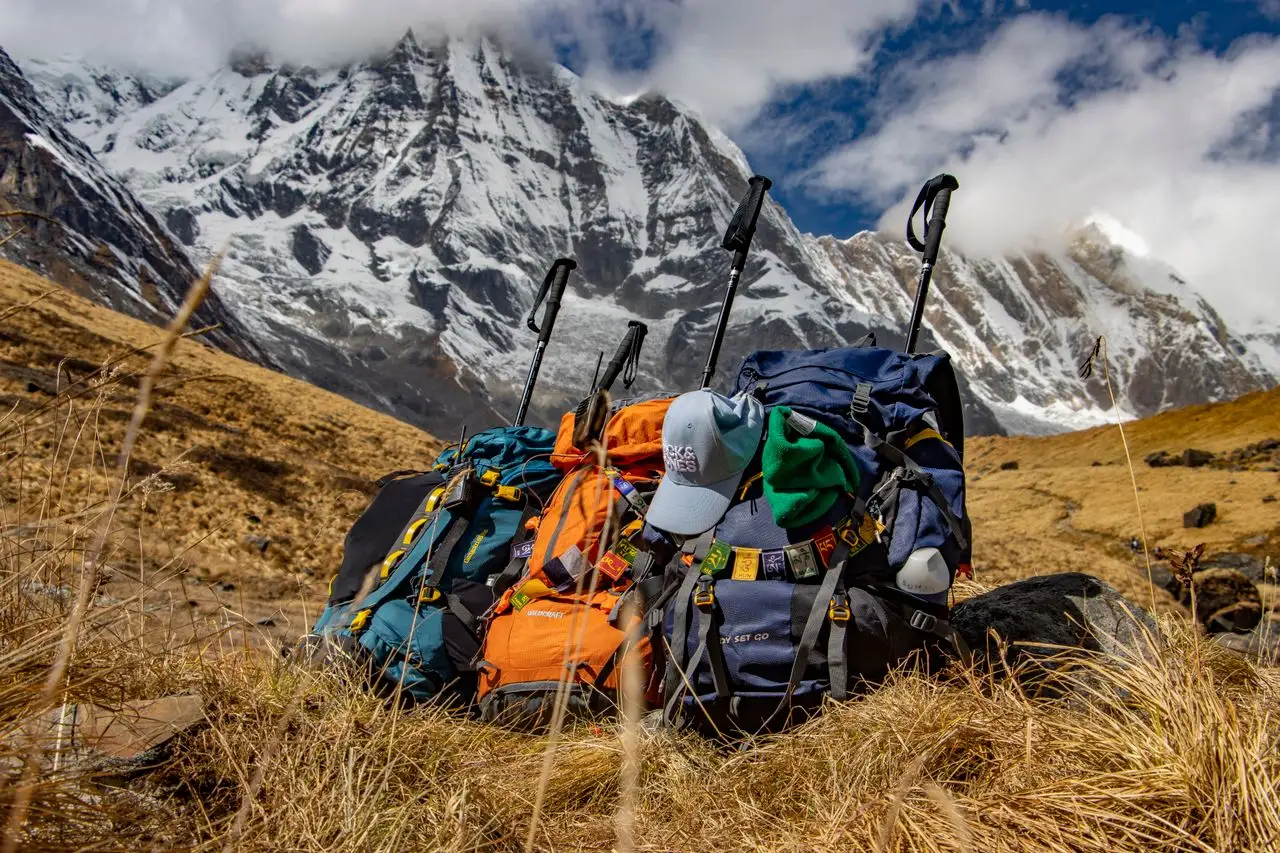
Manaslu Circuit Trek Packing List: Complete Guide to What to Pack
The Manaslu Circuit Trek packing list should prepare you for everything from warm, humid valleys to cold, high-altitude mountain...
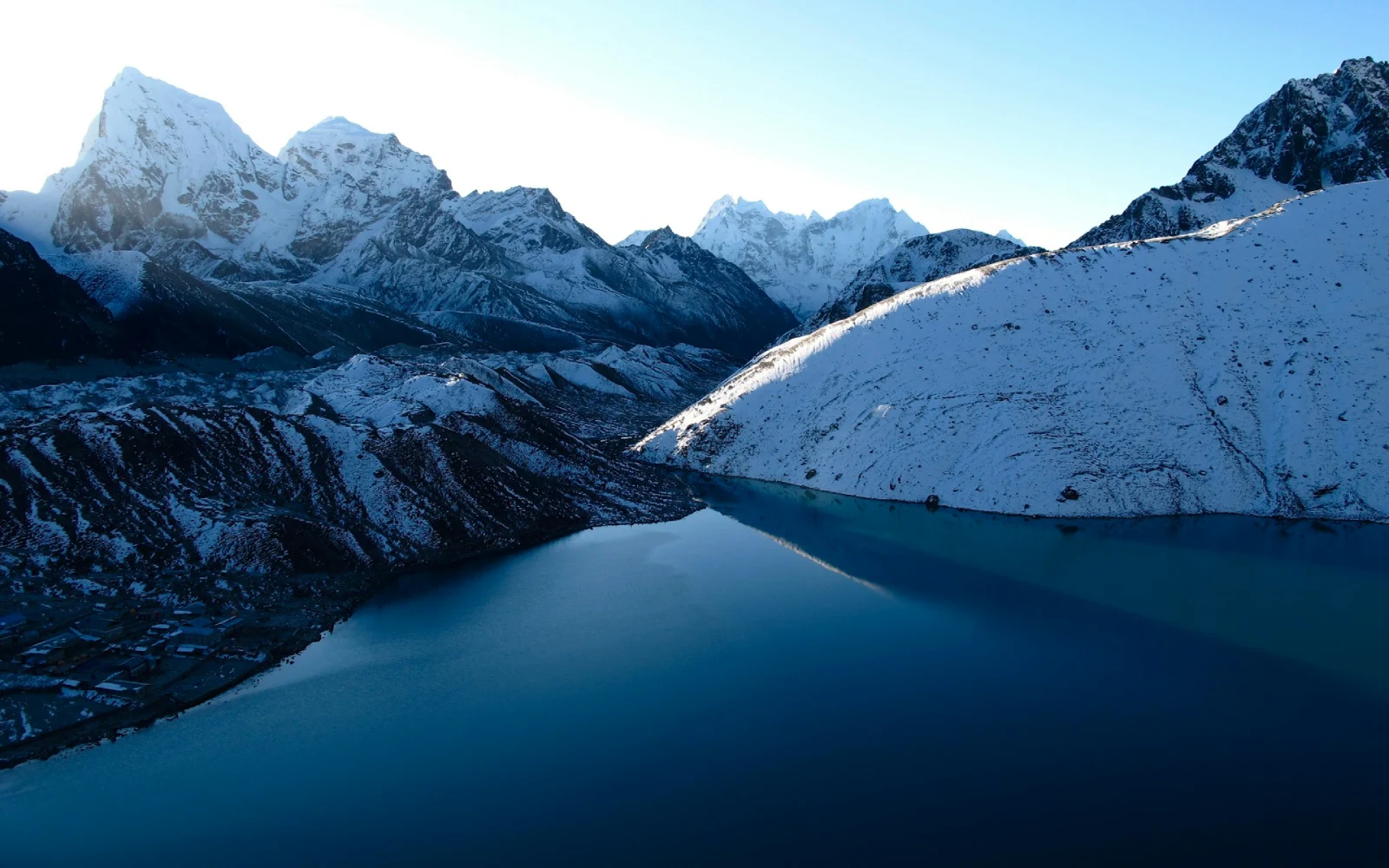
Best Time for Manaslu Circuit Trek: Weather & Monthly Guide
The best time for Manaslu Circuit Trek is generally during spring (March to May) and autumn (September to November)....
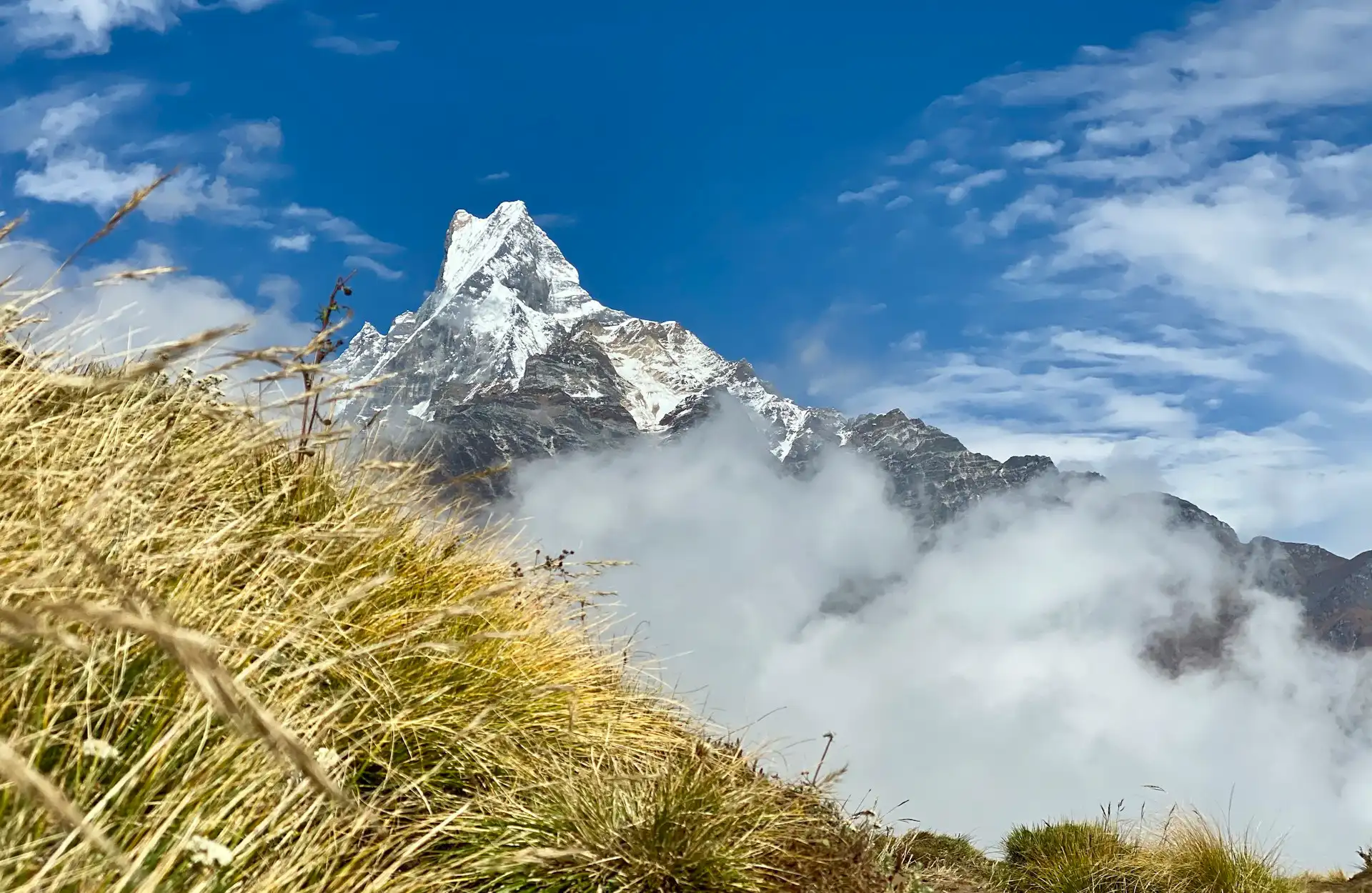
Mardi Himal Trek Solo A Complete Guide for Solo Travelers
The Mardi Himal Trek is one of the most beautiful short treks in Nepal. It takes you through green...
For Queries & Reservations
Travelling with us is flexible, freedom and fun.
We deliver exceptional products at a very good price for you, but not at the cost of the environment or our social responsibilities “travel Responsibly”